Brief history
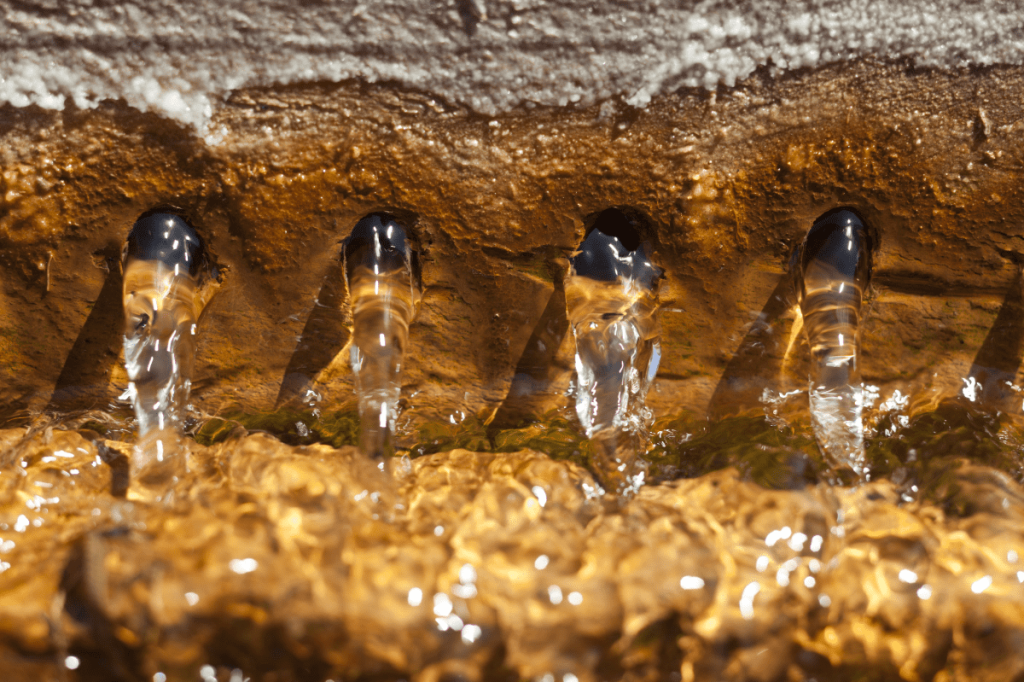
Salinas de Añana was once a vast ocean. That was a staggering 7,000 years ago. When it receded, springs emerged, bringing to the surface waters as saline as seven times more so than seawater.
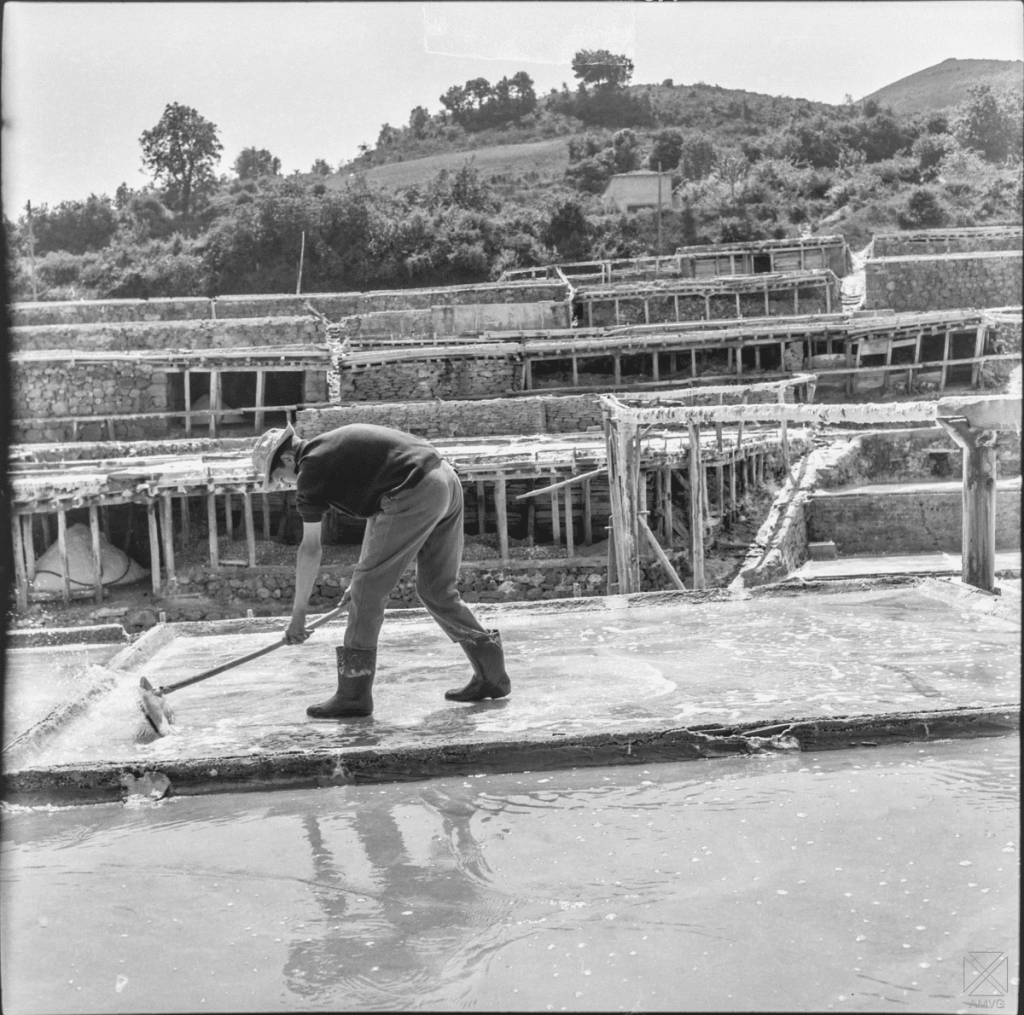
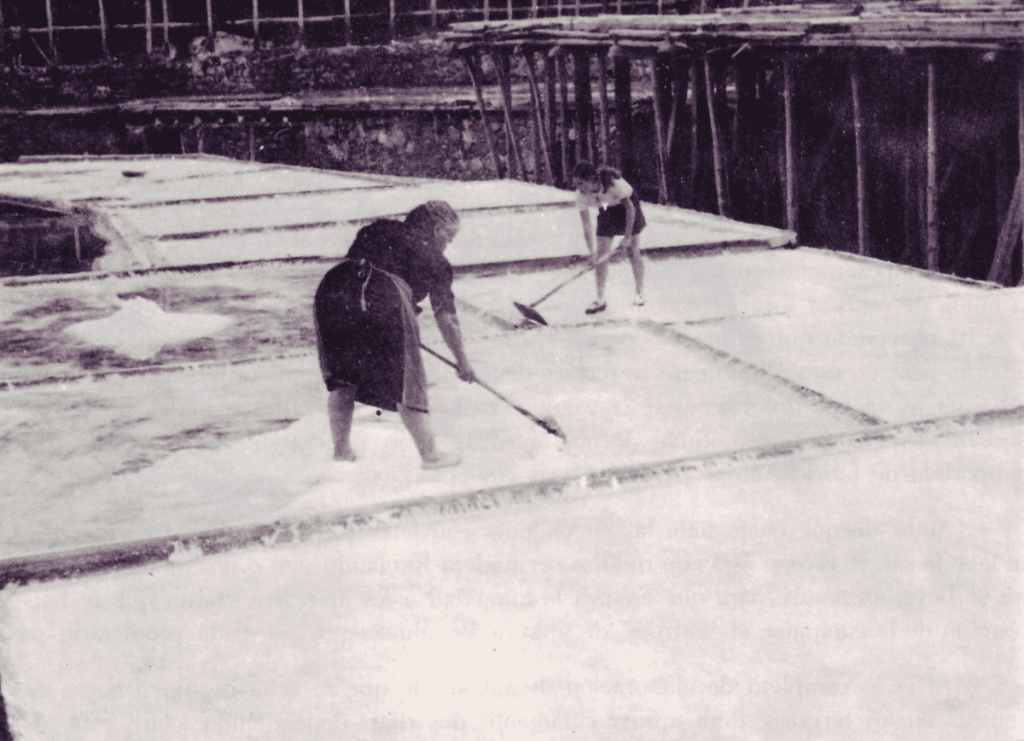
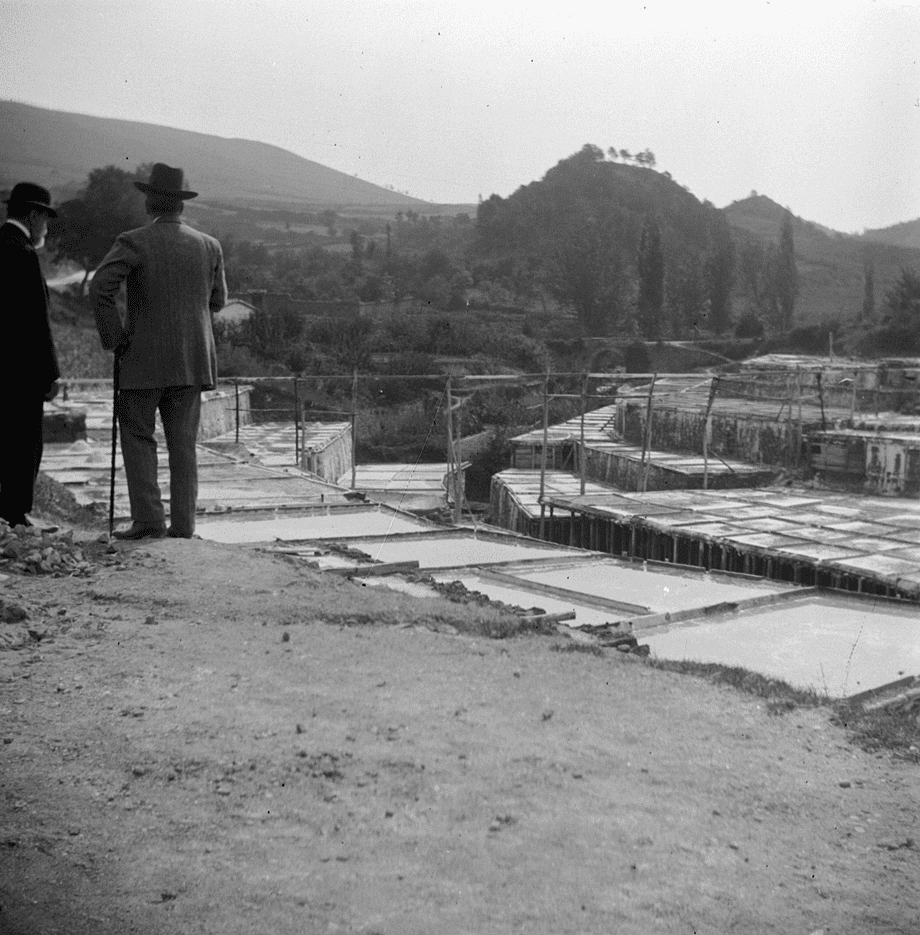
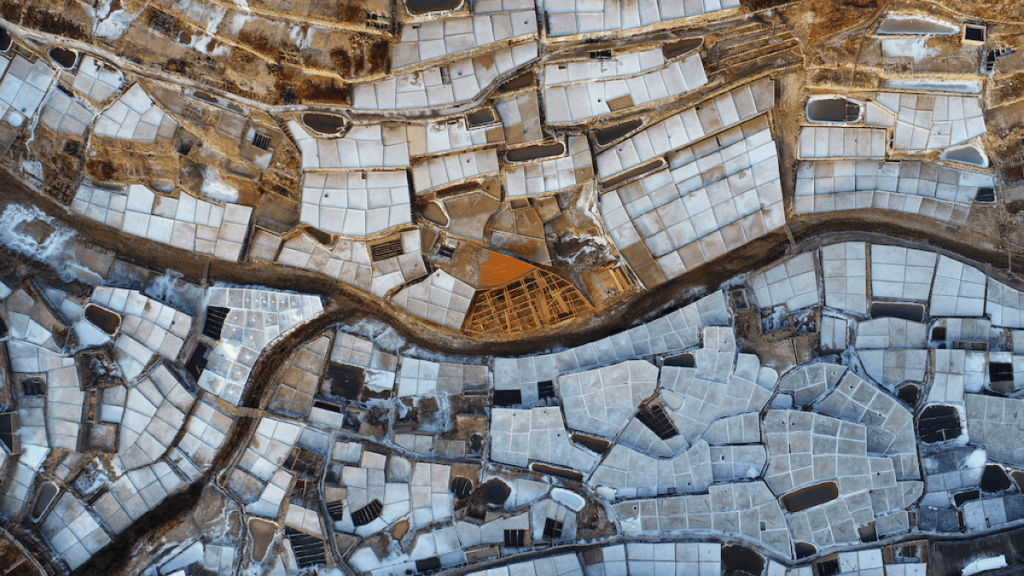
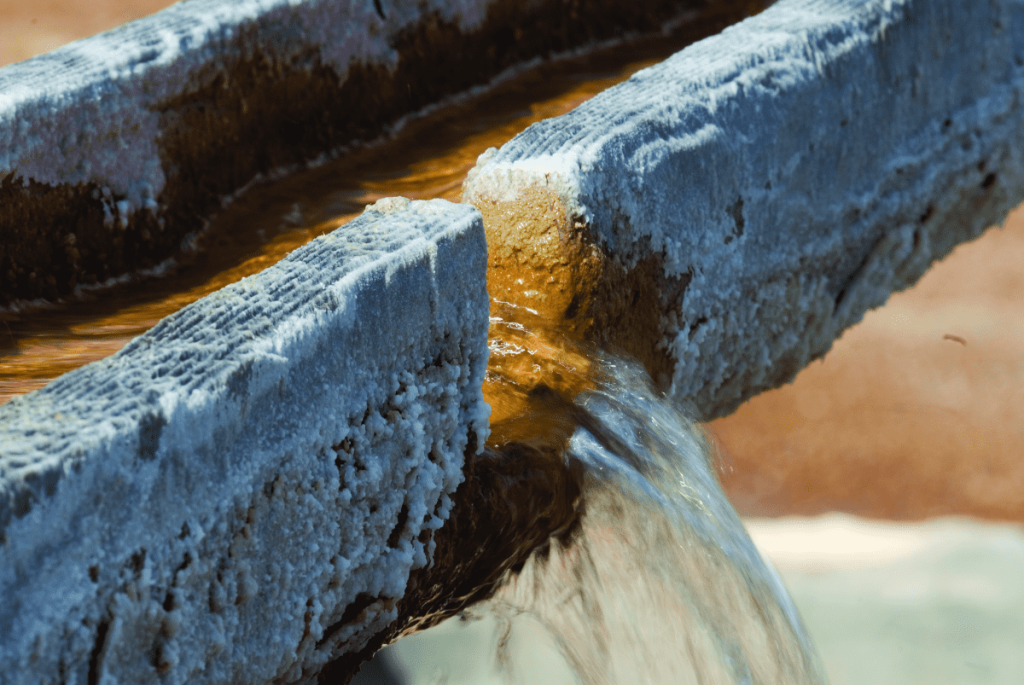
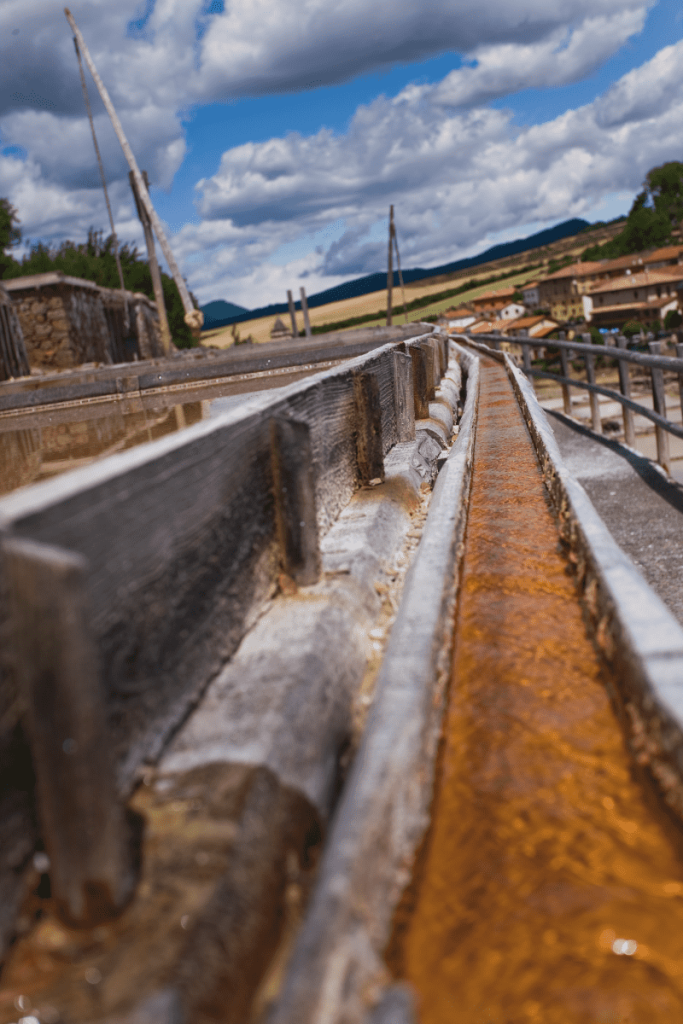
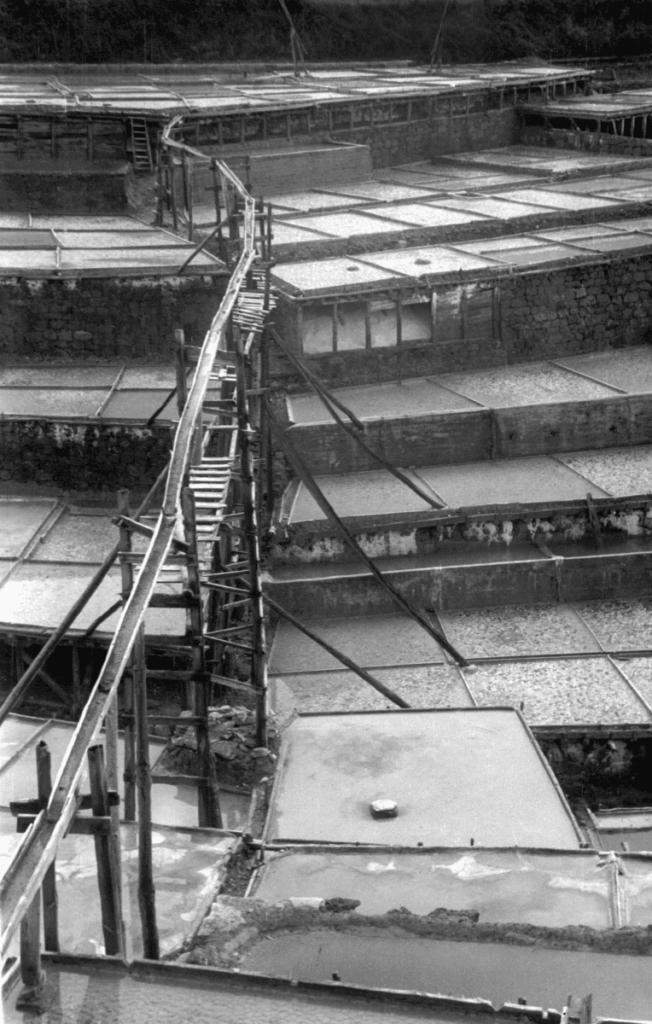
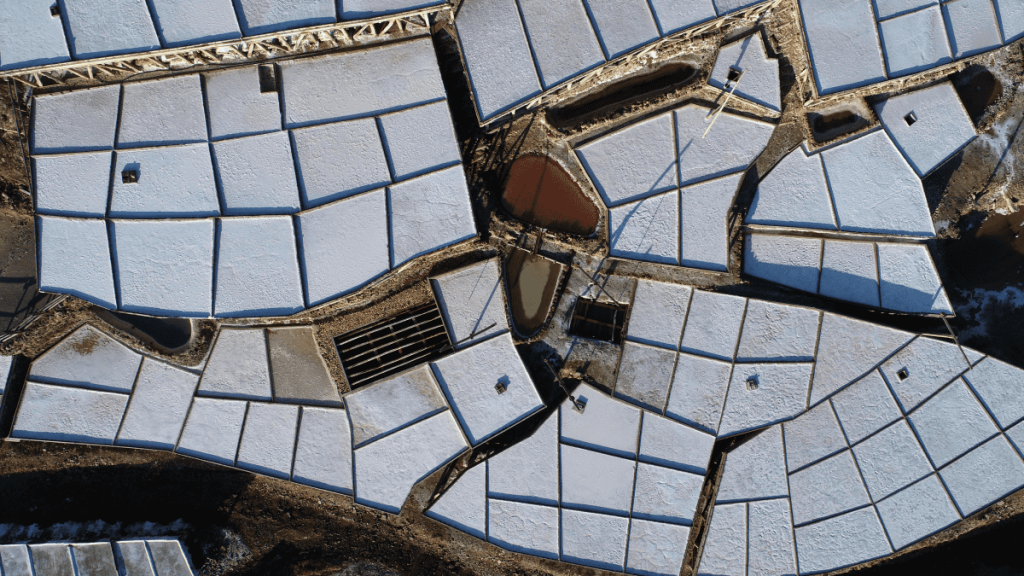
Salt production began in the Neolithic period, but it was the Romans who created the landscape of terraces, canals and salt pans where salt was extracted from the seabed.
In the 12th century, thanks to the first charter granted to the current territory of Euskadi, Salinas became a town and population centers were concentrated around the Salt Valley.
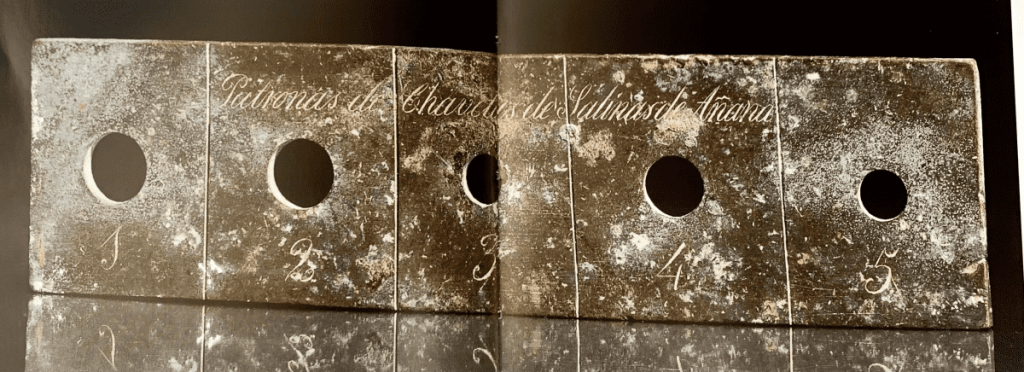
Salt was a highly prized commodity, capable of generating constant conflicts over its monopoly. In the 19th century, the Community of Knights Heirs of the Royal Saltworks of Añana was created, which promoted an agreement with the Royal Treasury that resulted in the production of salt according to a pre-arranged schedule and the ongoing ruin of the productive structures of the Salt Valley.
After its deterioration came subsequent renovation and repair. The first half of the 20th century was a period of great splendor, giving way to its later abandonment with the beginning of a mass exodus of the working population to the cities.
In 2009, the salt producers, organized as the Gatzagak company, ceded ownership to the Valle Salado Foundation in exchange for receiving money every year for the brine, for their rights over the salt water that springs from the springs.
Photo provided by the Valle Salado Foundation.