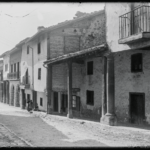
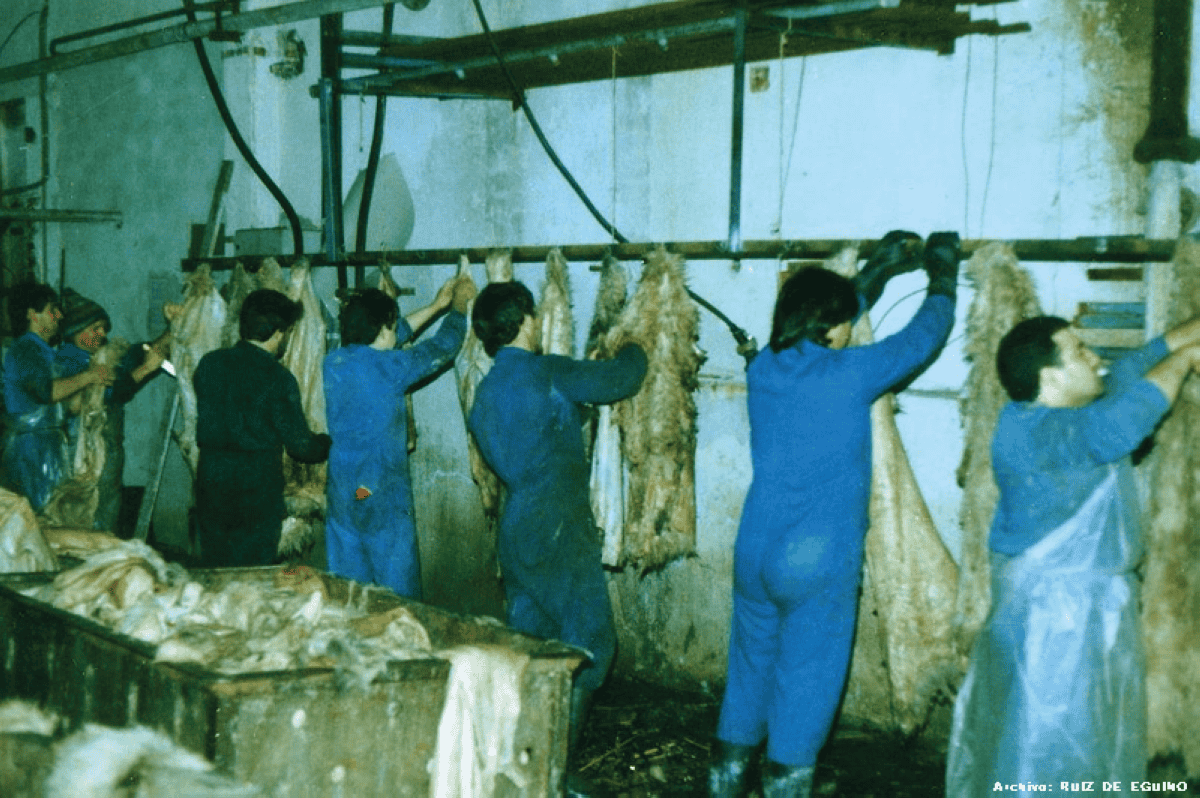
Kepa Ruiz de Eguino is a man with many interests, but perhaps what he likes most is to know the history of his town, the secrets of a glorious past, the importance of yesterday to understand today.
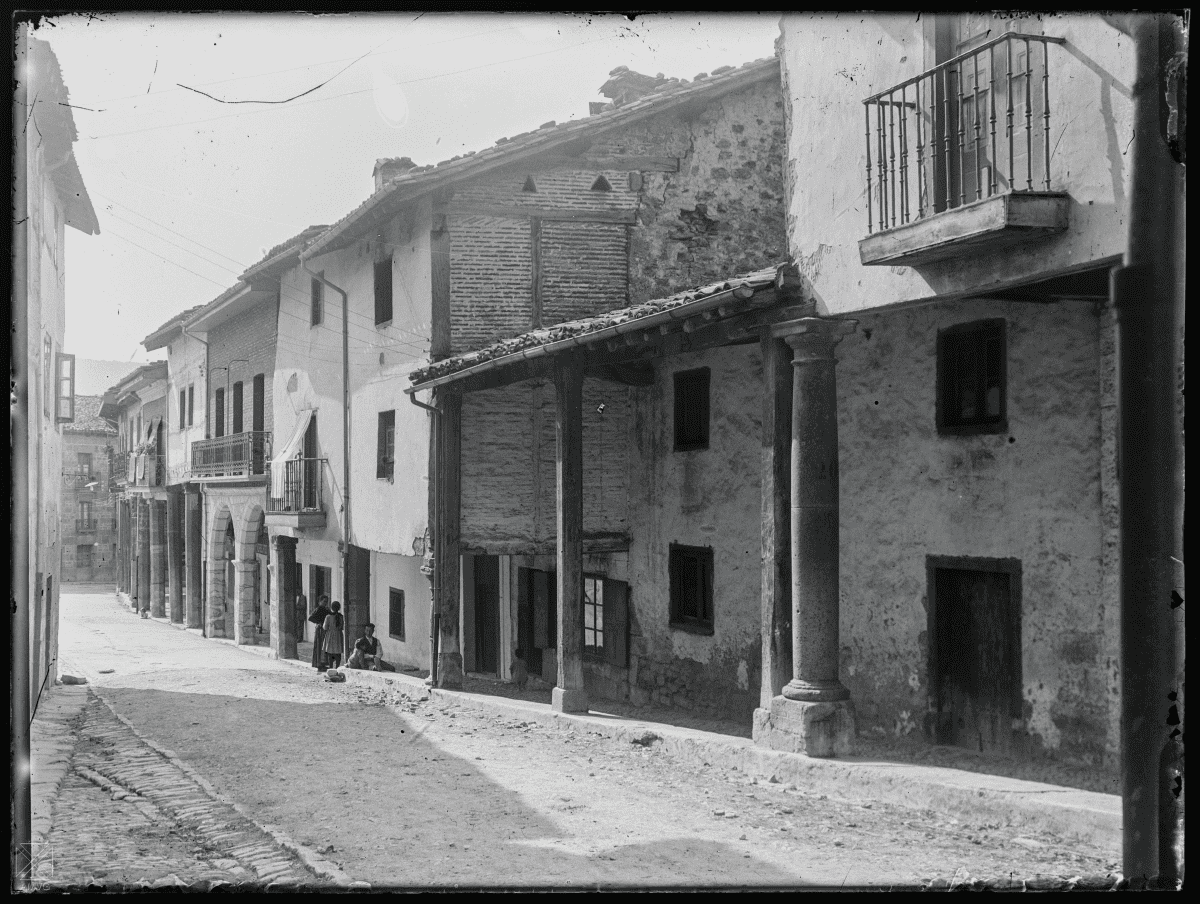
Born on the main street of Agurain, Kepa loves good music, never tires of photographing his world, and delving into the intricacies of history in the archives. He is an active man who plays in the Salvatierra brass band and is one of the founders of the local theater group.
He has published research on the customs, traditions, and toponymy of the municipality of Salvatierra/Agurain and its surrounding areas. Toponymic maps of Agurain, Iruraiz – Gauna, and the Entzia and Iturrieta mountain ranges.
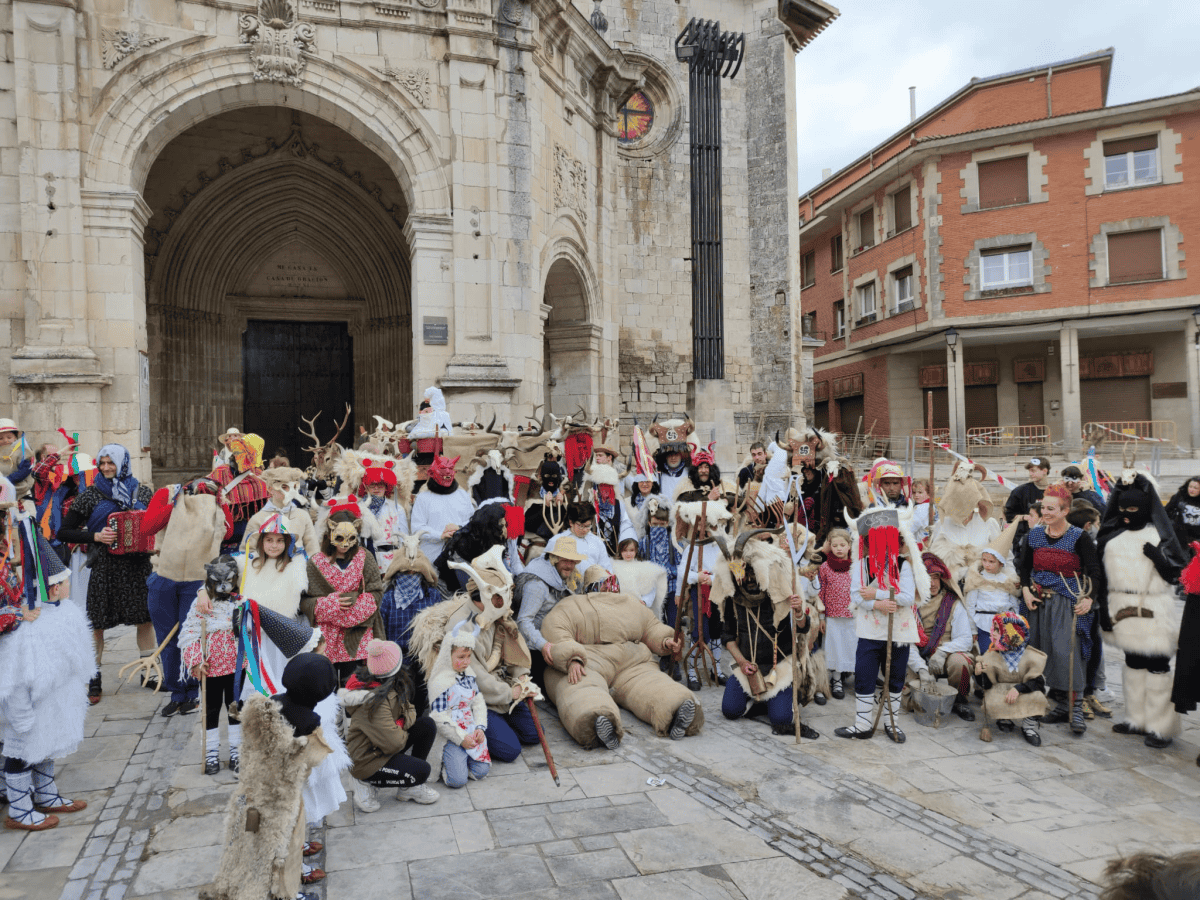
And with the Alava Seminar of Ethnography, he continues to make contributions to the Ethnographic Atlas of Vasconia, specifically in the volumes: Agriculture, Crafts and various professions, Festivals and Traditions.
As a result of his research, he is frequently invited to give talks and organize exhibitions in Agurain, making him well-known in the town. He has published most of his research on the websites salvatierra-agurain.com and agurainberria.blogspot.com since 2011, where, along with other authors, he contributes over 300 articles on the history, traditions, urban planning, ethnography, art, and culture of the municipality of Salvatierra/Agurain and the Llanada Alavesa region.