Vineyard slang
Anyone who has lived in Labastida knows words like “espregurar,” which simply means removing the leaves and anything harmful from the vine. They also talk about “desnietar al sarmiento” (removing the excess shoots) or “la morisca,” a tool traditionally used to clear weeds from the vineyard.
Every place has its own slang linked to traditional life. In this village, life is tied to the vineyard, where everyone, since time immemorial, has had a job to do.

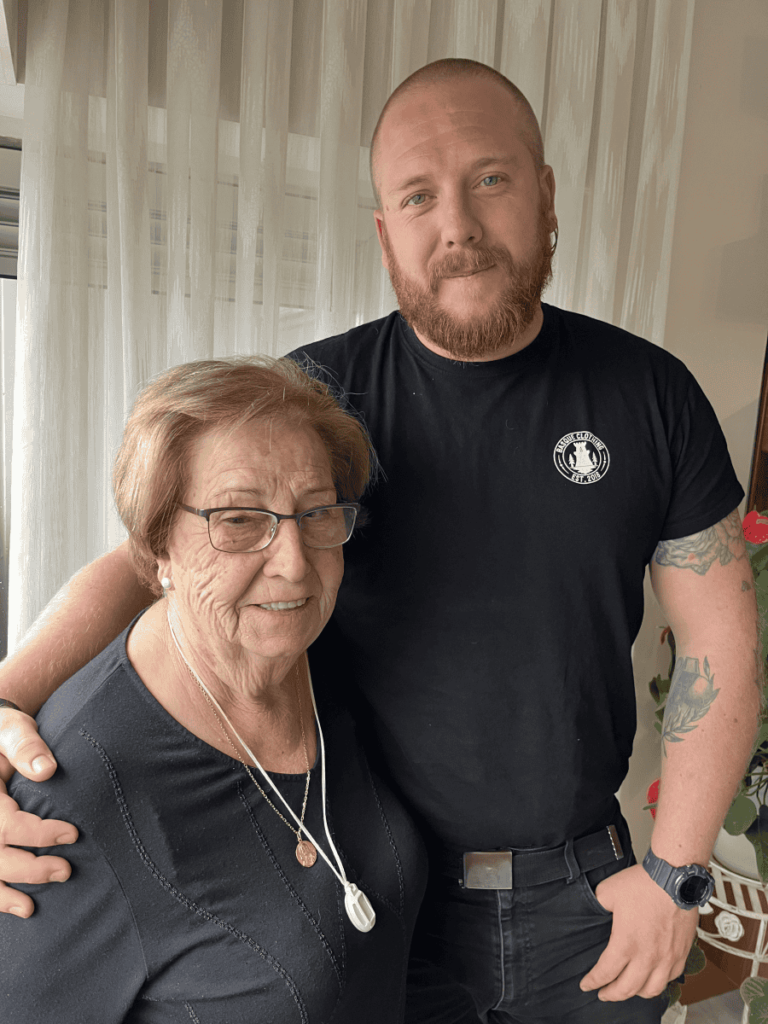
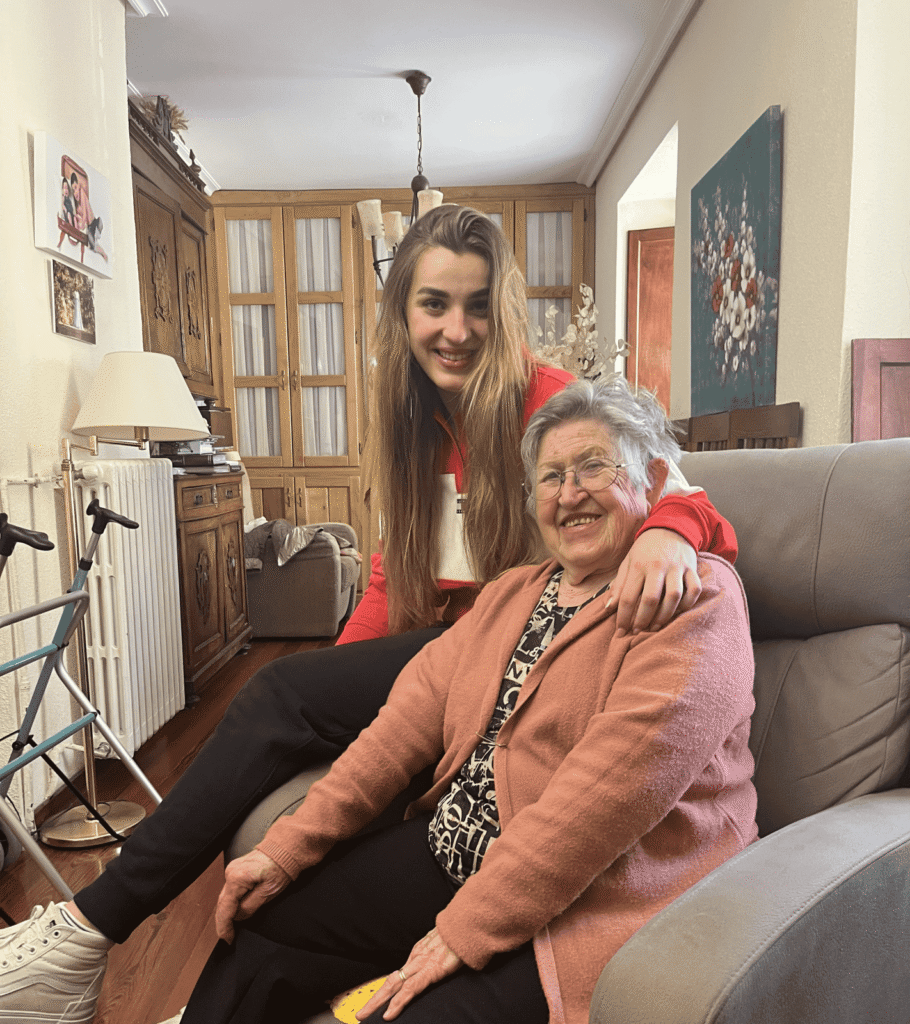
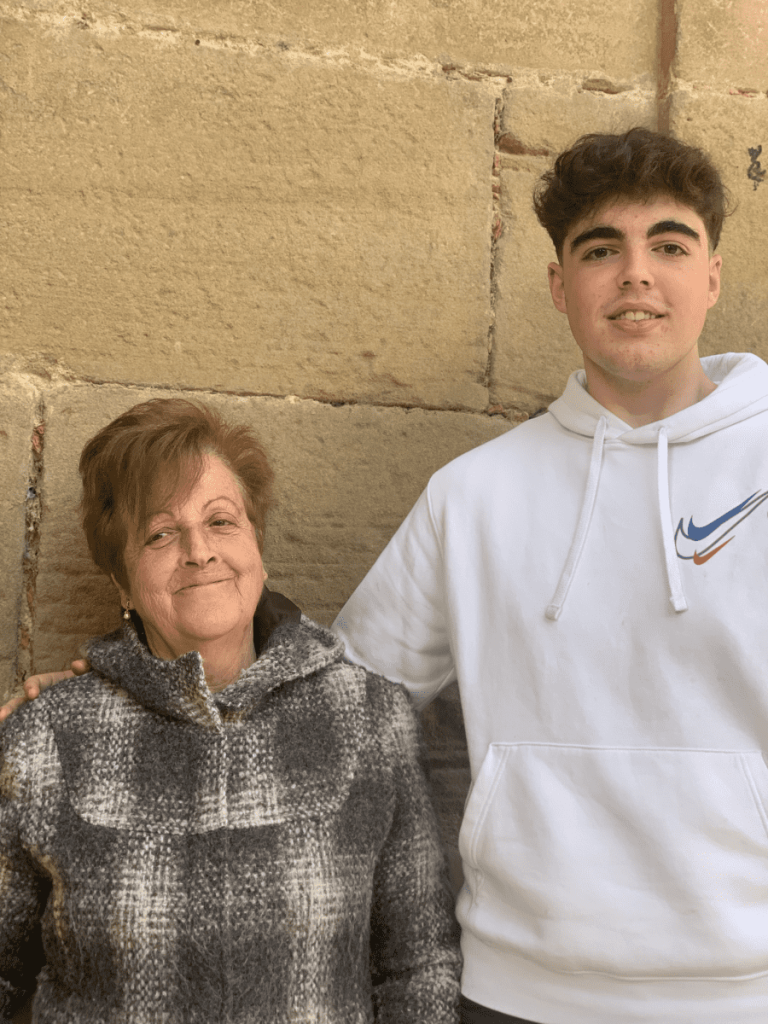
Eulalia Orive knows this well. From childhood, after school, she would go to the vineyard to help her father with tasks such as pruning, thinning, and harvesting—all jobs traditionally reserved for women. She never used the Moorish style, not even as an adult with her own vineyards.
“In this village, I’ve never seen a woman prune the vines,” and that’s because this task has traditionally been reserved for men, since to prune , “you have to know how.” The 21st century seems to have arrived with a more egalitarian spirit, and Mikel Gil, Eulalia’s grandson, says he knows many women who prune the vines.
Other customs

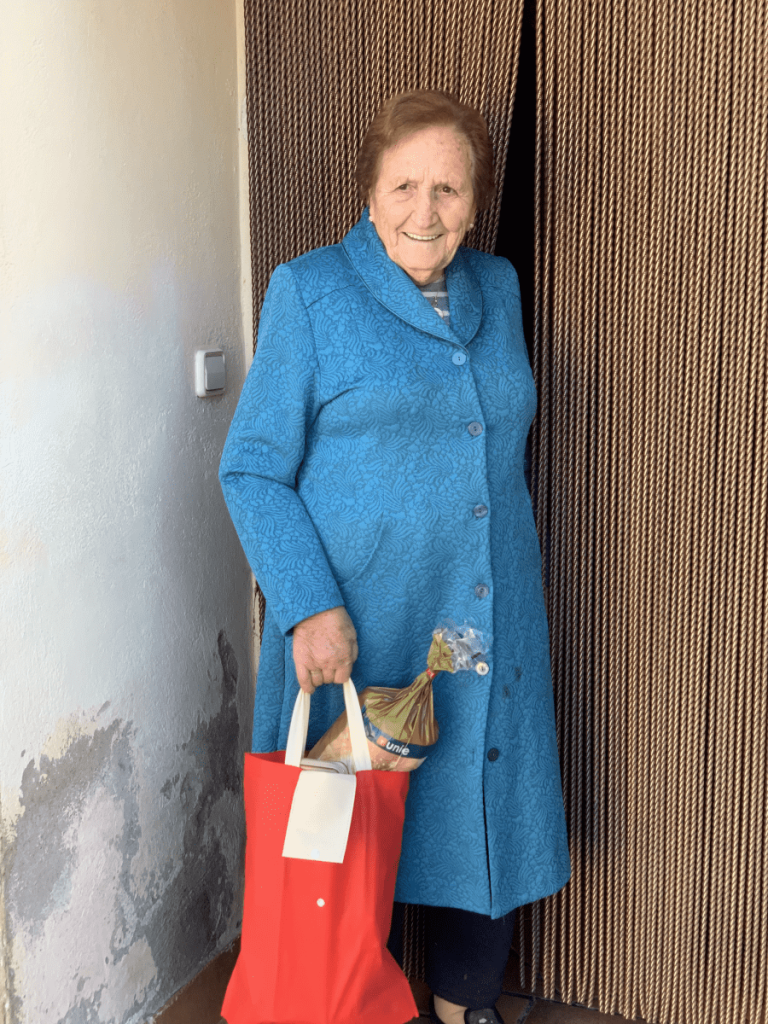
Eulalia Orive was born in the 20th century in Labastida, as were her parents and grandparents, and her children and grandchildren have also grown up here. She was born in a house that didn’t belong to them, but to the owner of the vineyards her father tended and worked. The countryside and grapes have been an integral part of her life, the driving force and foundation of the land she knows.
Back then, the surname Pobes belonged to the gentry. Eulalia’s father worked for them in the fields, often getting up at two in the morning to apply nitrates to the land, and then continuing with the rest of the day’s work. Her mother was a servant in the Pobes household, and she told her that they wouldn’t even bend down to pick up a napkin if they dropped one. Those were different times, years when the gap between rich and poor became insurmountable chasms.
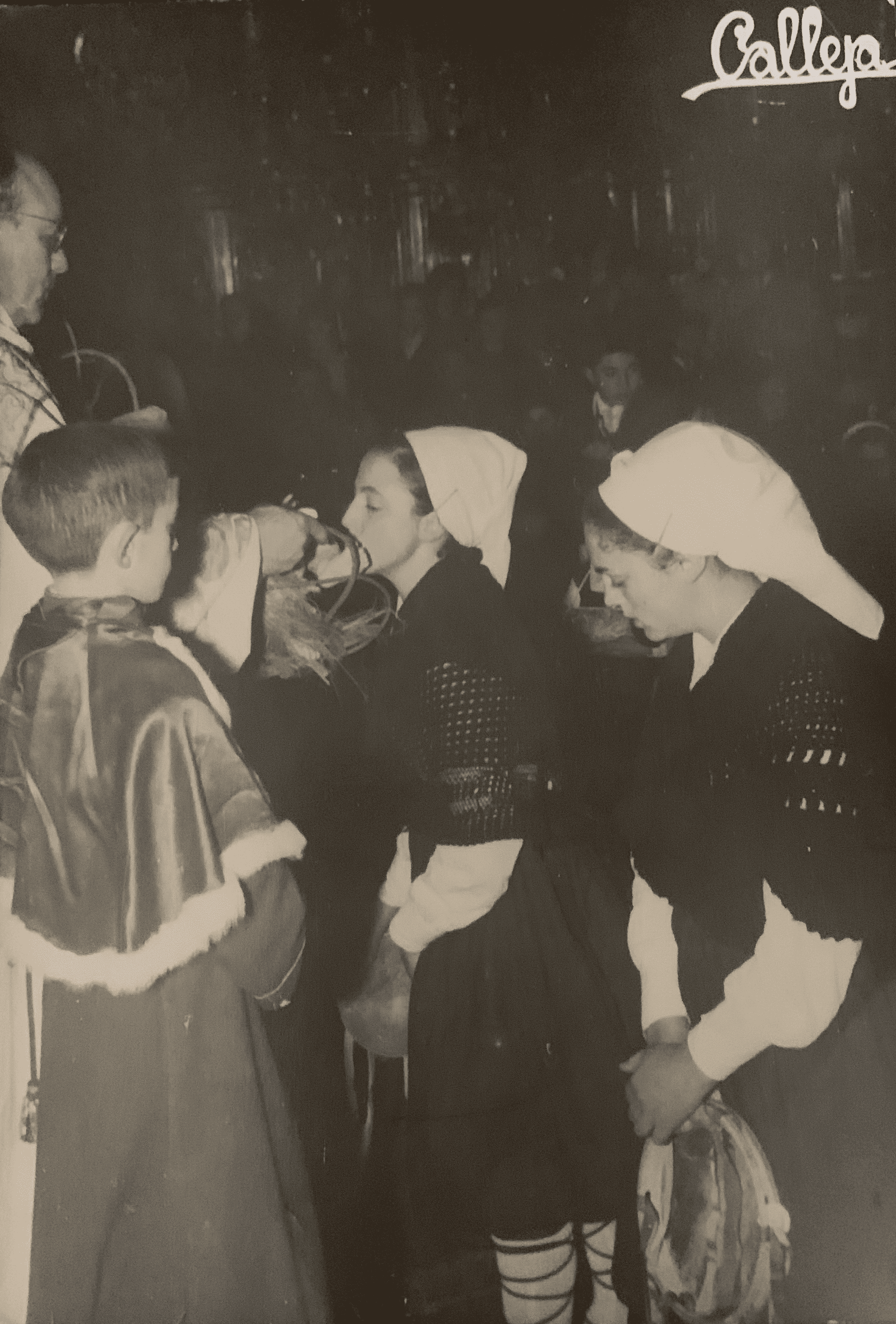
Alongside the gentlemen were the authorities, including the priest, whose hand they would kiss on the street if they met him as children. The reward: a marshmallow.
She is the fourth of five girls, all of them a source of pride and worry for their overly rigid father. He was very strict about the rules he imposed on them, and one of the most memorable was that the door had to be closed by ten o’clock at night; they had to be home.

No parties or pilgrimages to the surrounding villages, and certainly no going into a bar. Eulalia didn’t set foot in one until she had a boyfriend to go with.
The only entertainment they had was the music in the square, which for them ended before ten o’clock at night, and the cinema when there was money to pay for the entrance.

They prayed the rosary every afternoon when he returned from the fields, and he also liked to talk with his daughters, to talk about the things of life.
Eulalia acknowledges that in her time, when she was growing up and discovering the world, women had no decision-making power: “what the man said was what had to be done.” The father’s authority was unquestioned, and although he never laid a hand on them, it wasn’t necessary; “a look was enough.”
Mikel, more than fifty years older, advocates for negotiation, something he’s already accustomed to, because in his family decisions are made by reaching a middle ground, an agreement. It’s that half-century that sometimes manages to change things.
Family grape harvest

Mikel likes wine, more white than red, and although he would like to help his father and the family in the wine business in the future, his path lies elsewhere: in computer engineering. At sixteen, he has yet to participate in a single grape harvest.
Life has changed a lot since Eulalia was this age. She’s never liked wine, but she’s trodden grapes to make her own, just like anyone her age.
Back then, the grape harvest was a family affair, with cousins and uncles pitching in to help. It was a celebration. In the 21st century, that’s no longer possible; the laws don’t allow it, and you have to draw up contracts and go through a series of procedures that make the process far too expensive. Often, it’s not even worth the effort.

Looking at the sky
However, one thing hasn’t changed: the constant glance towards the sky and the added fear that a frost will ” snatch away the good stuff.” It’s the worst thing that can happen, that a late frost will kill the grapes just beginning to grow. It dries them all out, and although they sprout again and it’s not the same, the best of the harvest is lost.
“Winter is when we are at our best, because the vines are pruned and there is no danger of anything, but from April until the harvest, in September or October, we suffer from rain, hail and wind.”
Fifty years ago and more, there were many prayers, many to Saint Ginés and Saint Lucy. The sky is the same, and the fear that something might spoil the wines remains harvest after harvest, but faith is not the same, and the prayers have become a thing of the past.
“ People would walk up from Labastida because there were no cars, and the young men would pour wine on each other with their wineskins, but the girls didn’t. Then they would go down reciting the litanies, the children would be given chocolate and bread, and there would be mass.”
Just as before people went everywhere by donkey or on foot, and Eulalia remembers walking up to three kilometers to bring her father his daily food, half a century later everything is done by car and the tractor lightens the work and takes care of the backs of the men and women who work these fields full of vines for hundreds of years.
A treacherous Ebro

The Ebro River has generously and wisely provided the inhabitants of Labastida with its waters, not only to irrigate their vineyards, but also for their baths and entertainment.
In Labastida, you go down a path and reach the river. Young people have always enjoyed taking advantage of the calmer parts of the current to swim, until, during the town’s festivities in the 1960s (verify this fact), a young man drowned. That was a long time ago, and although people stopped going into its waters, the custom has slowly returned.
However, everyone here knows that the Ebro is very treacherous, that it has currents that can sweep you away without any hope of recovery, holes that pull you in. Eulalia has never swum in it, “after all, if I can’t swim, why would I go in?” But Mikel has.
On the last day of school, they take their lunch and spend the day in a calm water area. Although there are more and more swimming pools in the town, most of them, around seventy, are private, but there are also municipal ones, open to all visitors, where they can enjoy themselves safely.