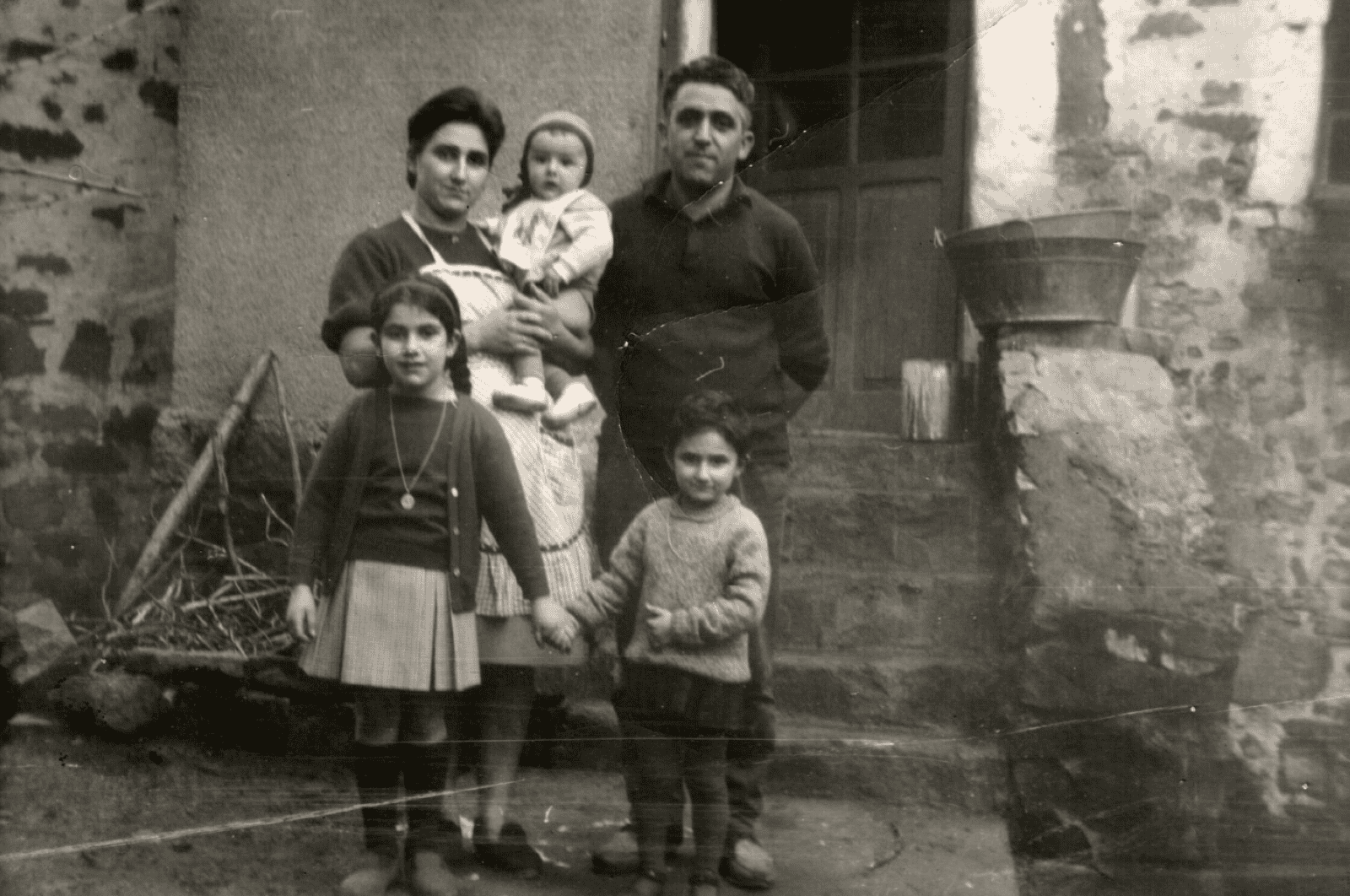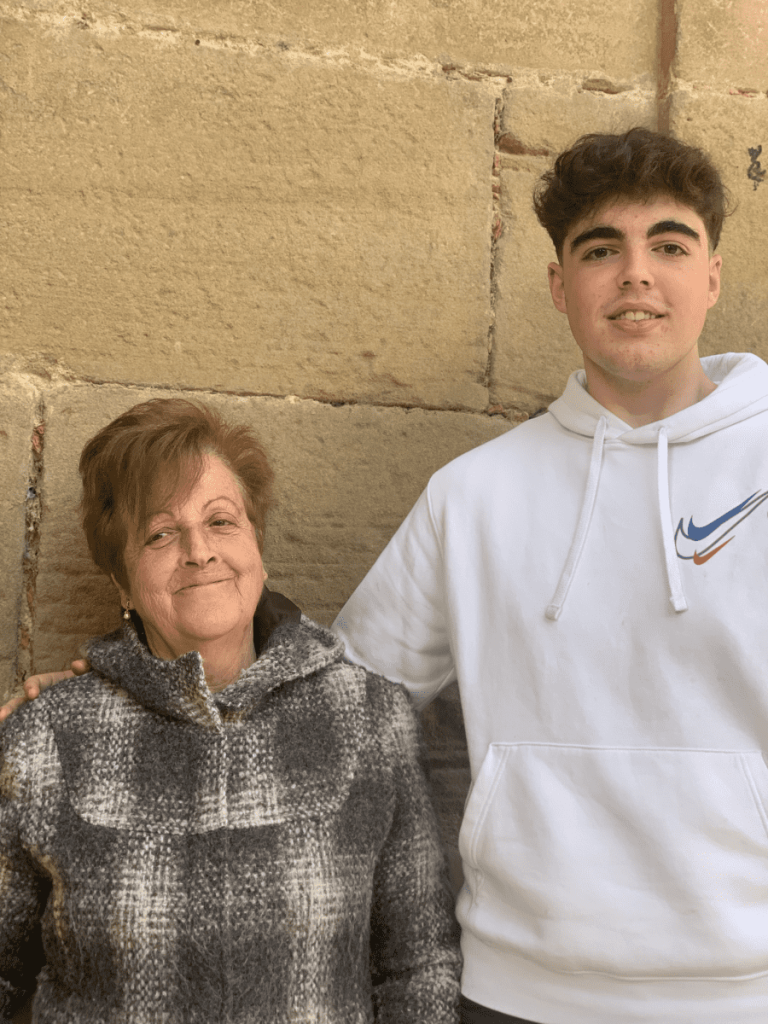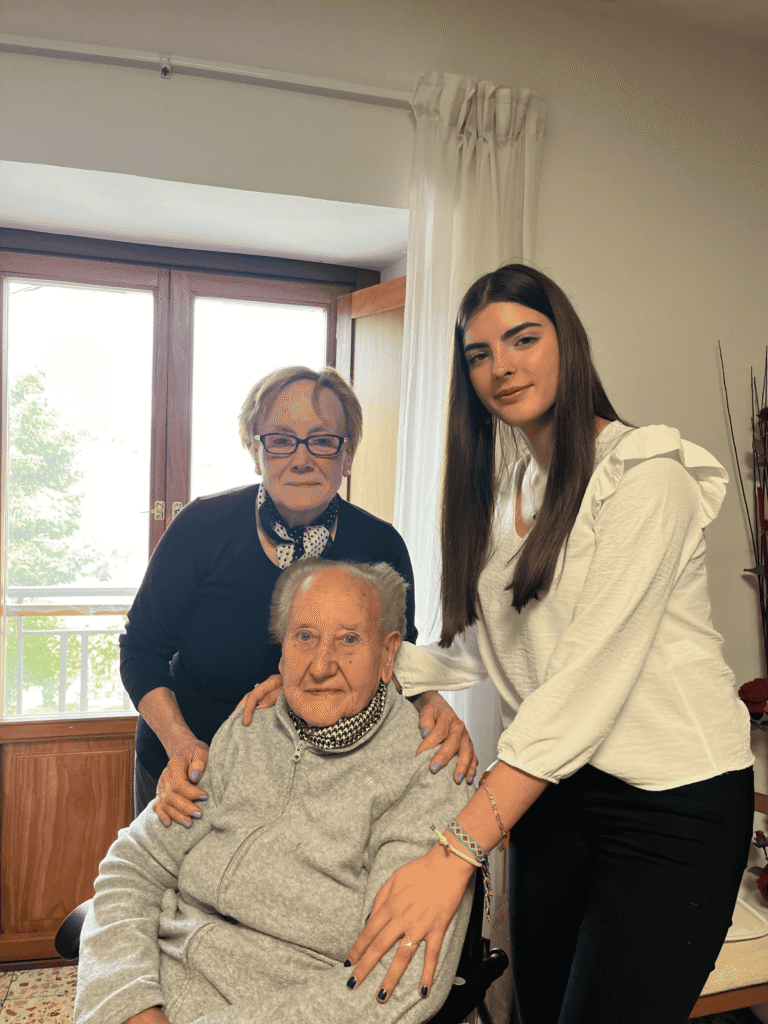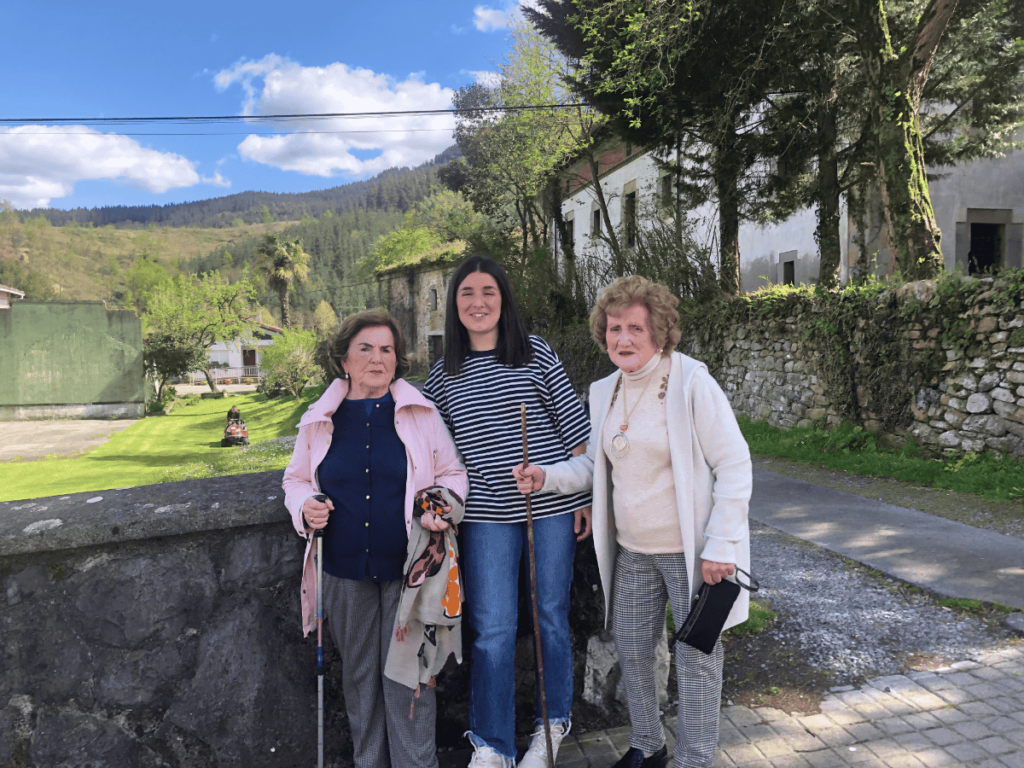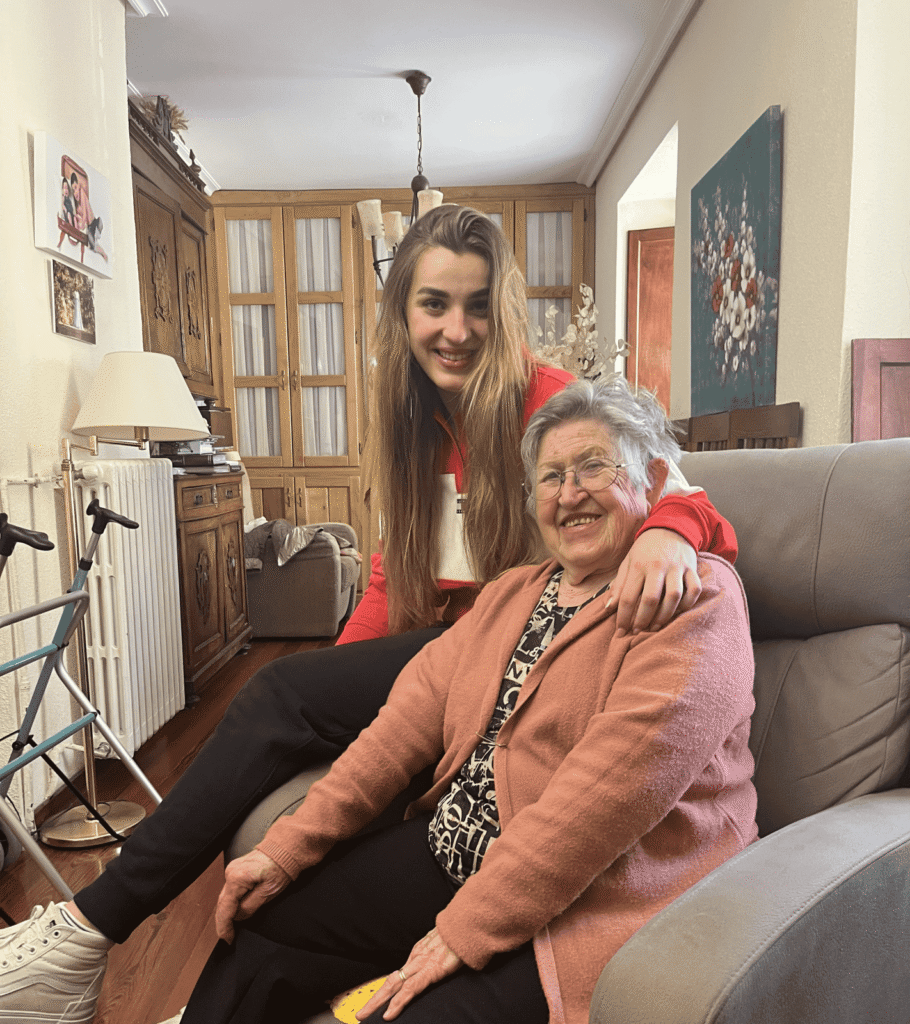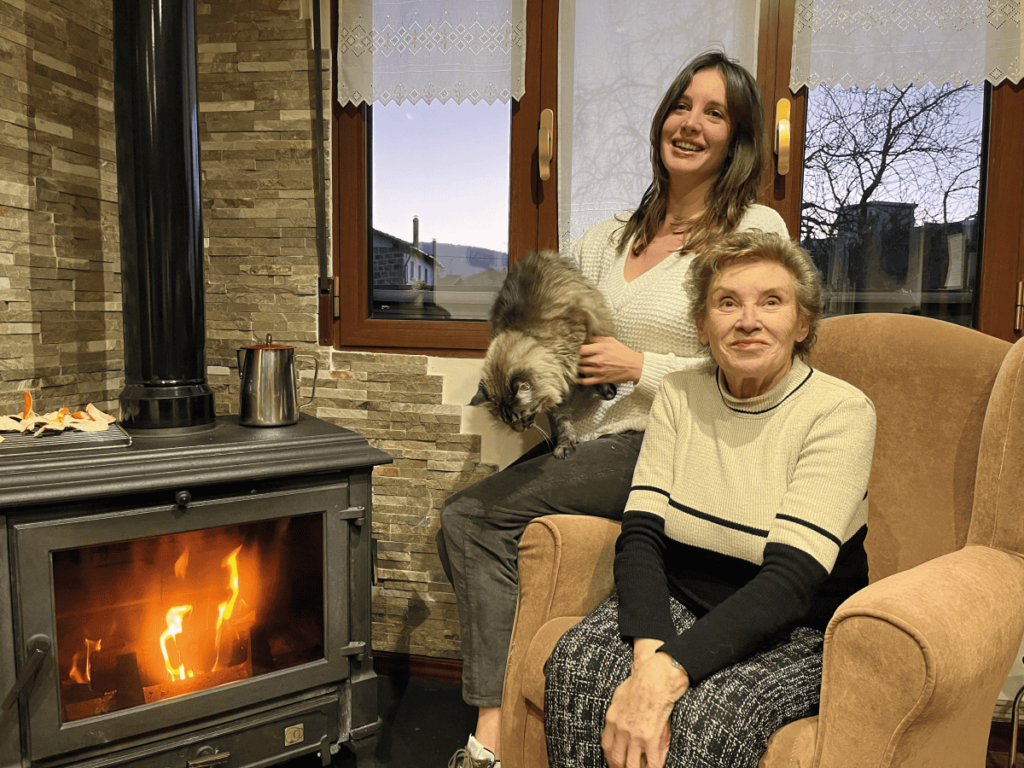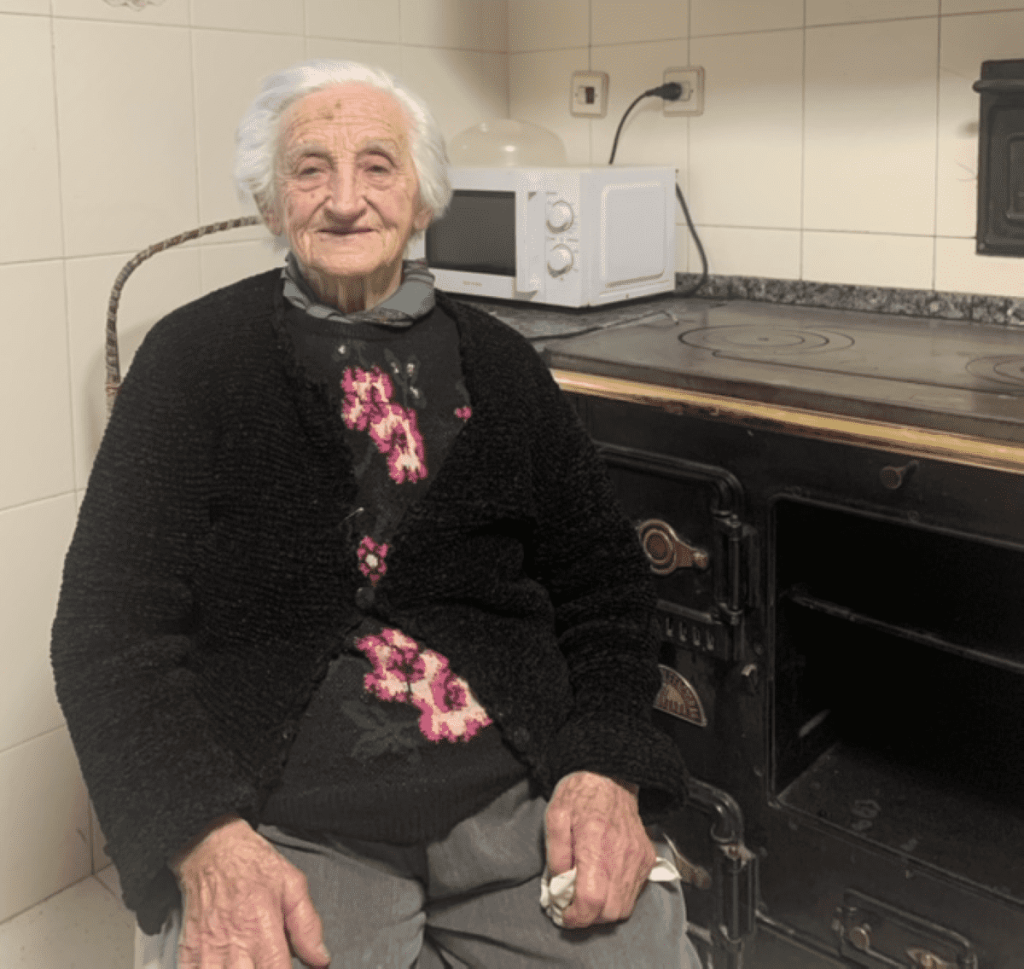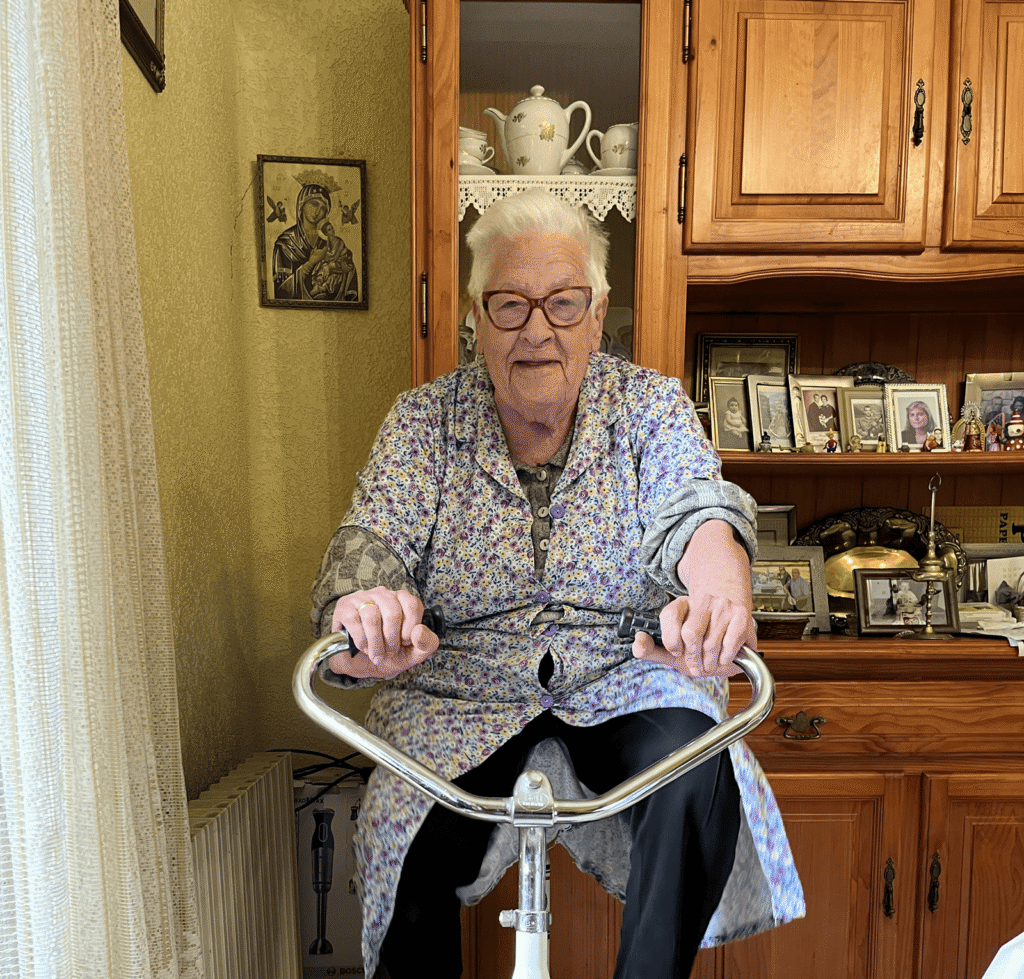

Carmen Olabarria knows well what it’s like to live in the mountains. Along with her parents’ farmhouse, Kastañitza, there were three farmhouses that dotted the hillside in the Larrazabal neighborhood.
There she spent the first years of her life, constantly going back and forth along muddy paths and tracks that cut through the green meadows. Her father died when she was barely six years old, and at seven she began attending school daily in Laudio, where the nuns, who had a kind of tiered platform for the youngest children, taught them numbers using wooden tablets.
She recounts that the older girls did have desks, and that upstairs were the brightest students, or perhaps the wealthiest, those from rich families; “the less bright ones were sent to the black table as punishment.” That school had a vegetable garden and even chickens.
He remembers going down the paths, towards the school, with a milk can, not very big, with a couple of liters maybe, for some customer of his mother.


With the donkey and the loaded baskets
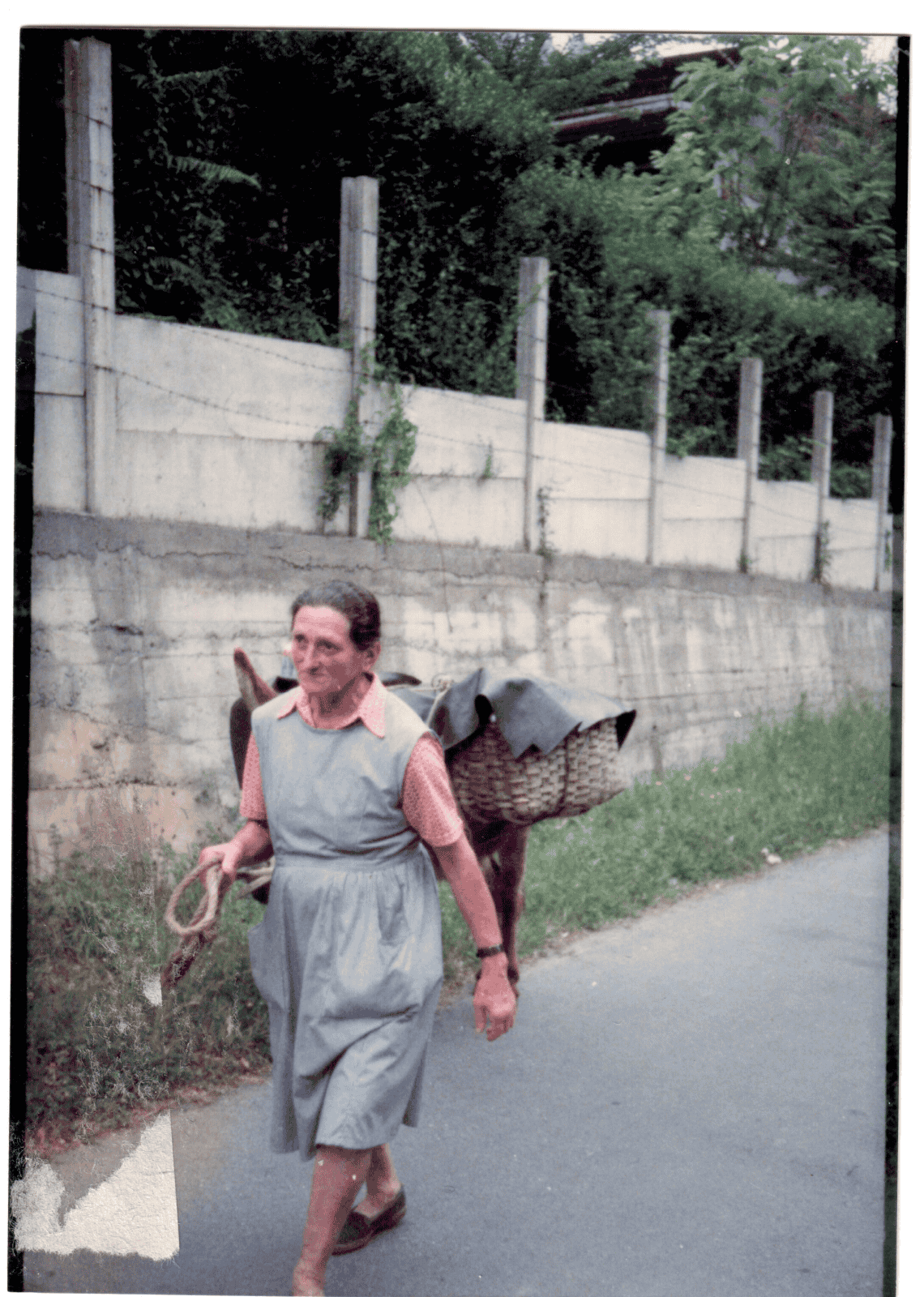
Carmen’s mother was widowed very young, with five children to raise. She managed by working in the fields and selling milk, fruit, and anything else she could grow in the village. She would go there with baskets loaded onto her donkey, no matter the weather.
Carmen left school at just 10 years old because she was needed at home, and she soon went to work as a maid. “I was never paid anything, I don’t know about my mother.” That wealthy family, who spent their summers in Laudio and must have been related to her house, took her to Madrid for two years. She especially remembers Sunday afternoons in the Retiro Park and at the zoo, the only free time she had each week.

today in what remains of the Kastañitza hamlet.
The Marquises of Urquijo
Back then, the wealthy were very distinctive, especially the Marquises of Urquijo, who owned almost the entire town. “Not ours, but many farmhouses belonged to them, and people lived in rented accommodation.” In the church, the first two rows were kneelers reserved for them. The gardens, the palaces, and “even the rabbits they kept on the way up to Ugarte were beautiful.” Carmen remembers a gentleman, a certain Raimundo, who went to the station every day to collect the Marquis’s mail.
That was the light
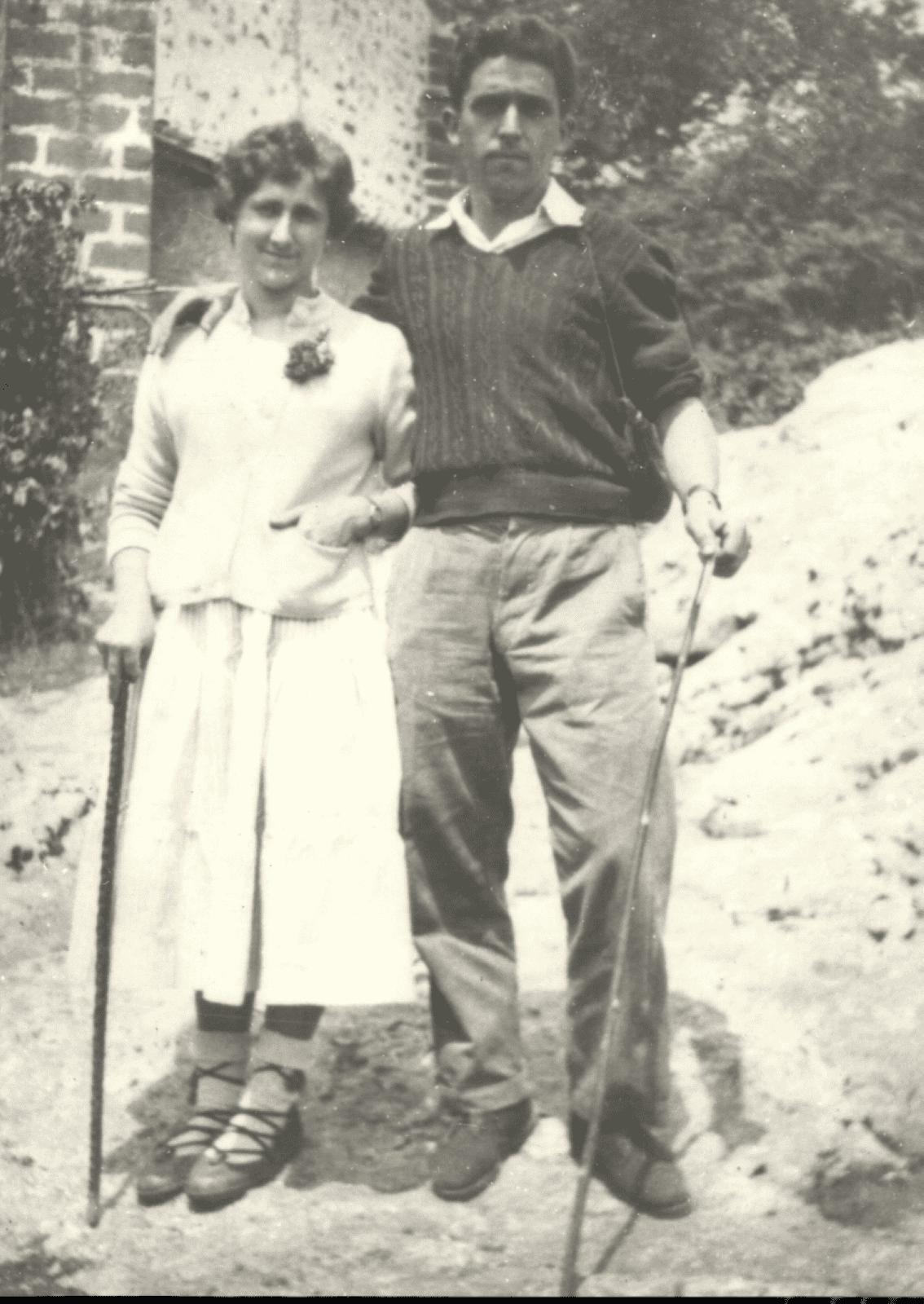
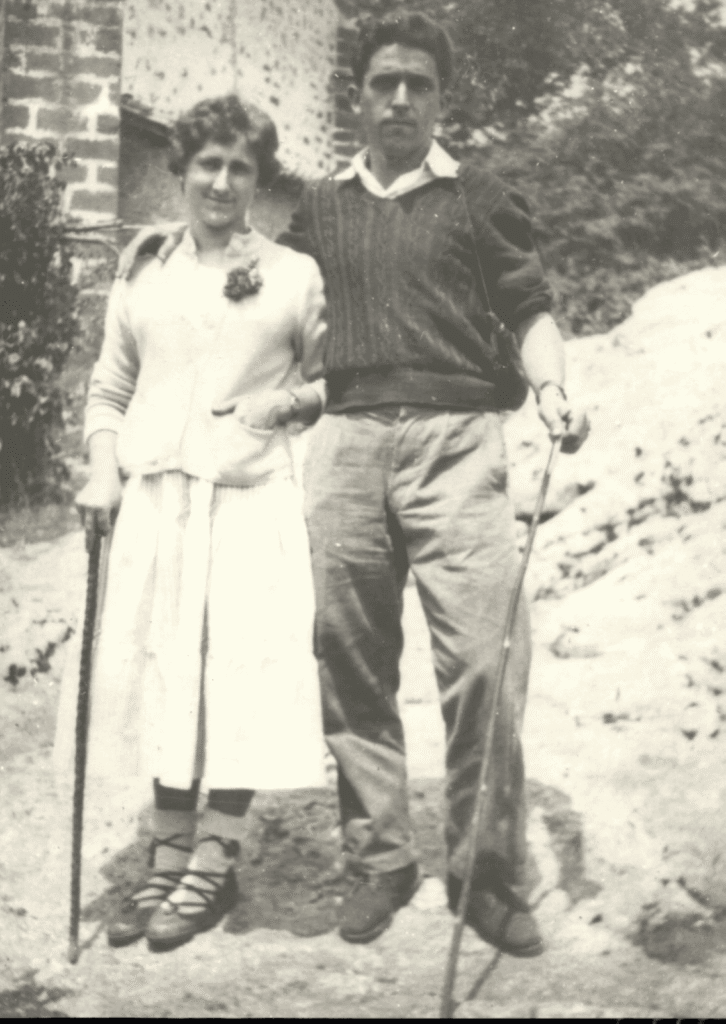
On May 16, 1959, at the age of 21, she left home dressed as a bride, heading to the church to marry Martín Muguruza Mandiguren. Celes Muguruza, who from that day forward would be her brother-in-law, accompanied the newlyweds playing the harmonica through the fields, until they reached the road, where Luis Sanz was waiting for them with his taxi.
They ate at the farmhouse with the whole family, and their honeymoon was in San Sebastián, where she discovered the sea, although she didn’t go swimming. They returned to Markuartu right away. There, she shared her new life with her father-in-law, four single brothers-in-law, and a still-young sister-in-law. “Kastañitza was bad, and this place was even worse; there was neither electricity nor water.” They used kerosene and carbide lamps, “and some butane canisters that we bought so we could see a little more.”

By shortcuts and trails
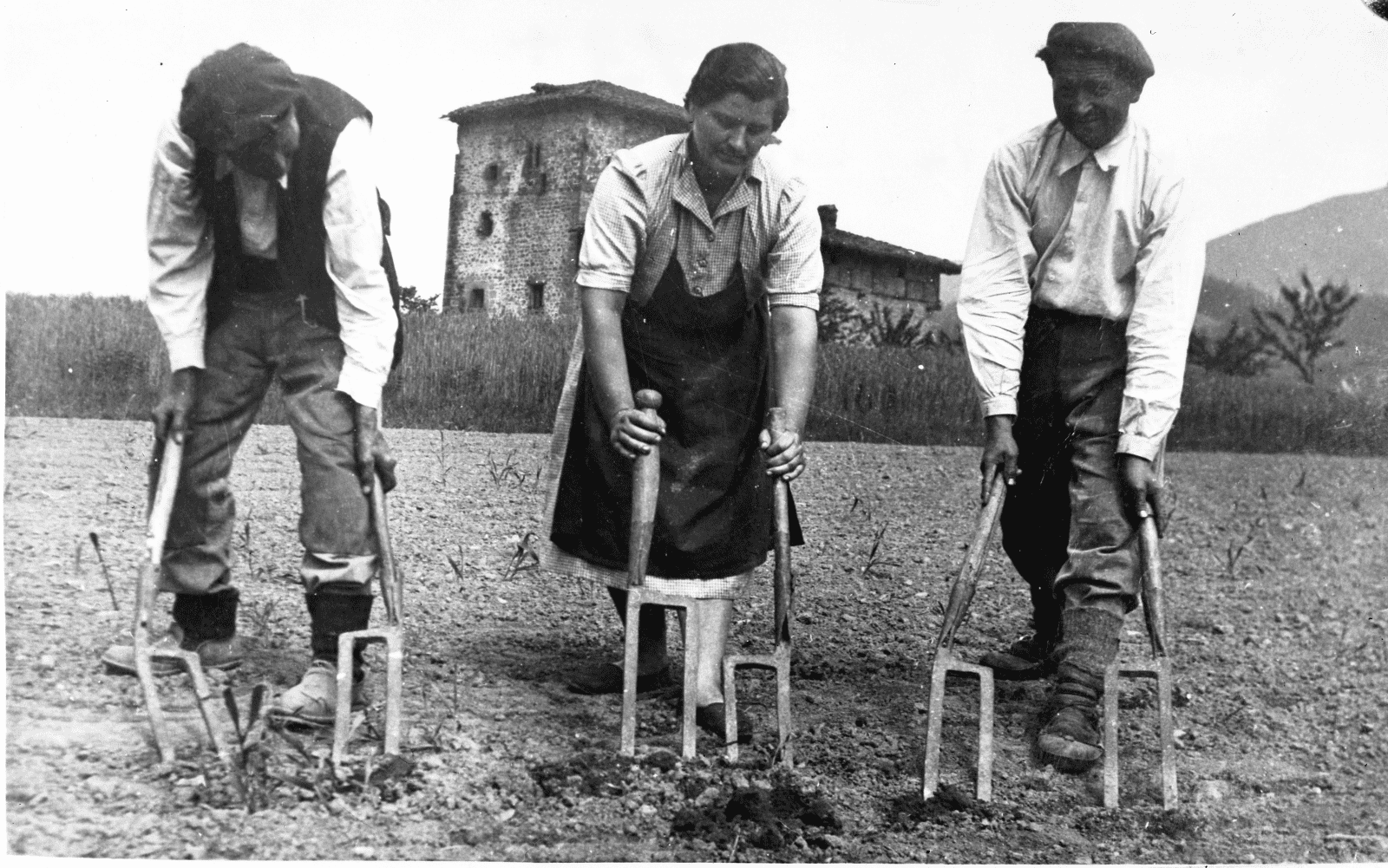
Most women worked in the fields and at home. And when it was time to give birth, they sought the support of other women to bring their children into the world, even if it meant traveling miles.
As soon as Carmen felt the first pains, she would start walking, go down the hill, cross the river, and go back home in search of some help, because there was little they could do for her in Markuartu. They would send for the midwife from Laudio, sometimes with the donkey so she could go more comfortably, and other times on foot. There were no roads, not even a path; they did everything by shortcuts and trails, most of the time muddy.
That’s why they carried their clean shoes on their backs when they went down to the village. Their clogs stayed in Luisa’s yard, which was opposite the old barracks, now Zumalakarregi Avenue, until they went back up to their homes along the same stretches of wet earth.

Talos and blood sausages

Life in Laudio has been very different. As soon as her children got a little older, she became interested in the Women’s Promotion Center, “where you always learn something,” and when they opened the first daycare center, she was there, taking care of the little ones.
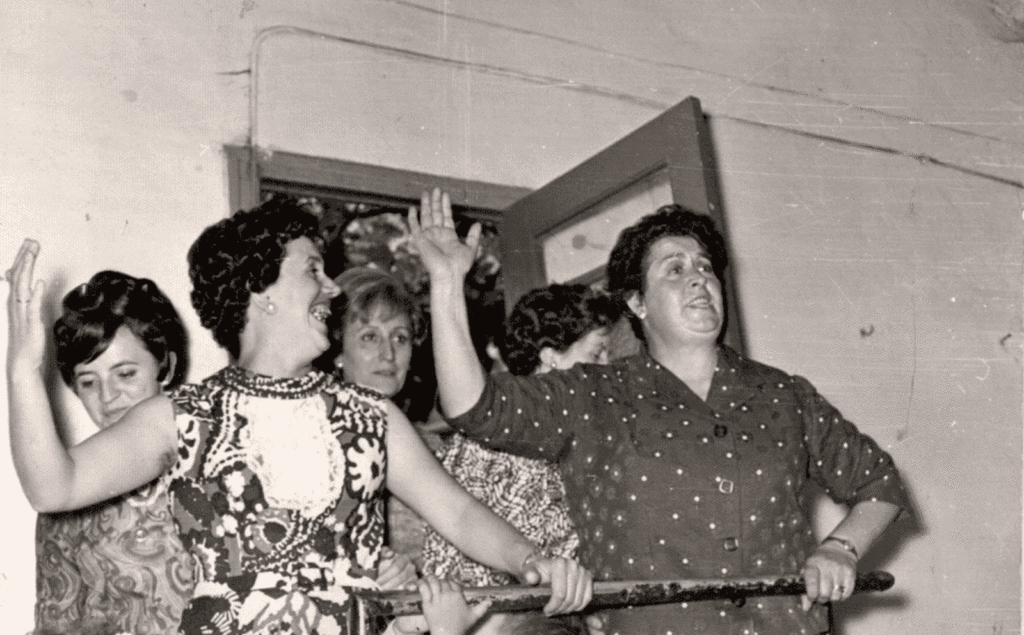
And when, about fifty years ago, Vicente Urkijo, from the hamlet of Lekandazar, wanted to revive local traditions and suggested to Carmen and other women that they start making talo and morcilla again, they didn’t hesitate. They made the first morcilla in the church porch, and then the talo in San Juan.
Long lines of people are forming there today, waiting their turn to enjoy a tradition passed down through the second and third generations. Daughters, grandsons, and granddaughters have taken up the mantle of making talo (a type of Basque flatbread) for the San Juan festival. They are also a staple at the San Blas fair.
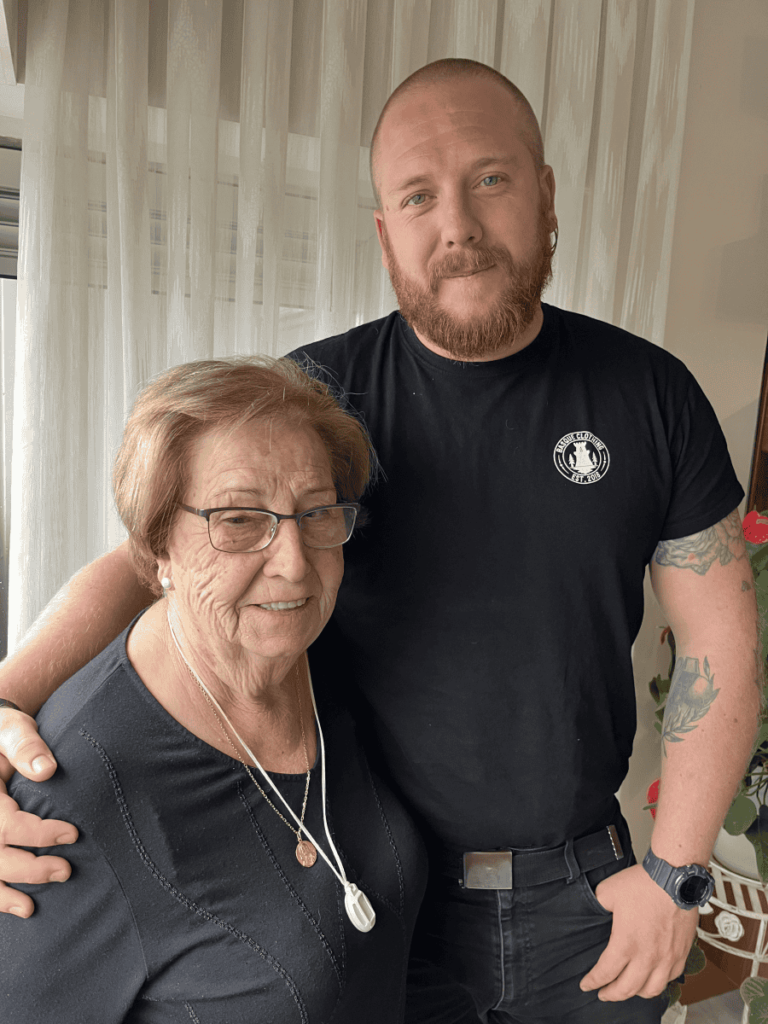
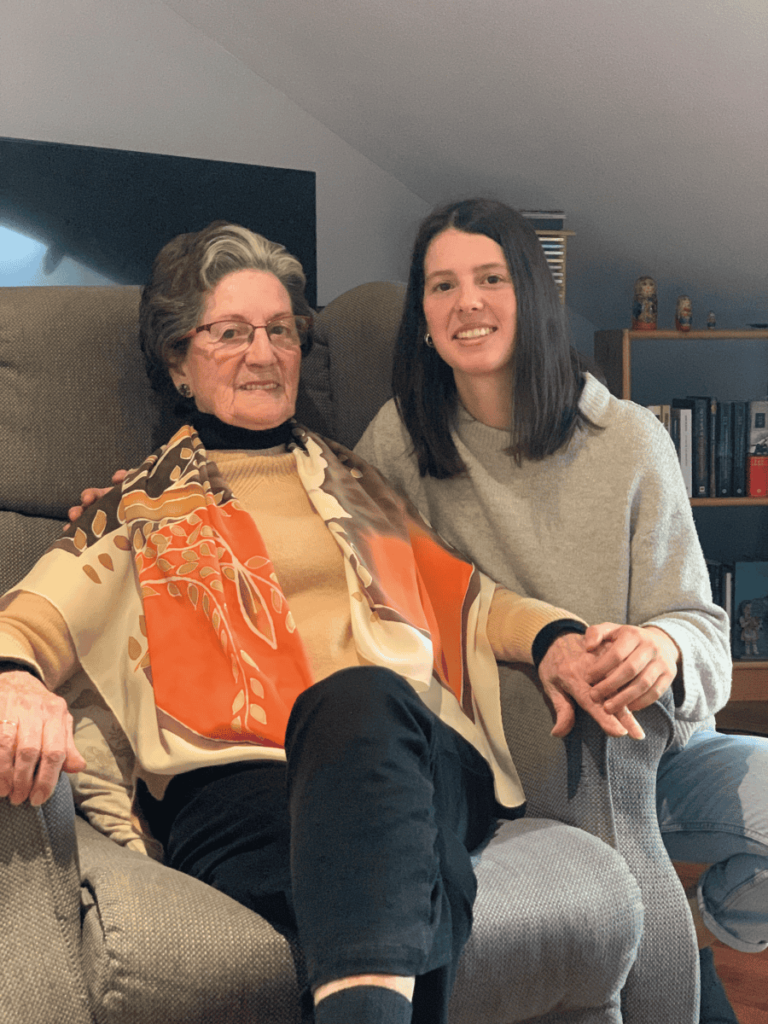
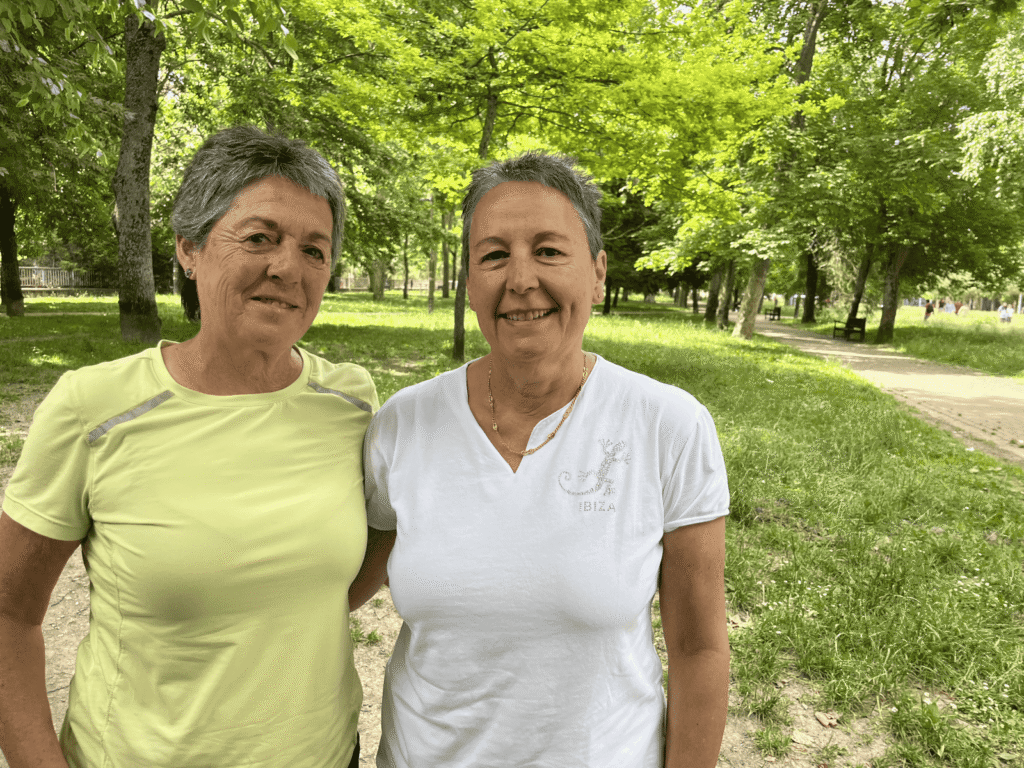
Amaia and Helene are deeply connected to the flavors of the tradition passed down by Carmen. They also make talo (a type of Basque flatbread) at home, and they travel the road to Larrazabal constantly, always by car. The rhythms of life have changed, but for these two modern women, “amama is still amama, she’s our origin.”

Markixana bread
In the hamlet of Markixana, lost in the mountains, so far away that even many in the village don’t know it exists, Iratxe Larrazabal has been baking bread since she was 18. She lives here with her sister and her sister’s family. She learned from her mother and earned her driver’s license by baking those first loaves.
With a production of 80 loaves a week, baked in this wood-fired oven, Iratxe sells them at the farmhouse itself or in the farmers’ market square of Laudio on Thursdays, along with a generous batch of choripanes (sausage sandwiches). Nothing goes to waste, because simplicity is key: wheat flour, water, salt, and a little yeast. The pamitxa, made with pig’s meat, is only available during the pig slaughtering season.

A very rural city
Laudio feels like a small town, bustling with shops, bars, and restaurants. It has a vibrant atmosphere that has drawn people from all over the Ayala Valley and surrounding areas to its heart. It has even become known as ‘the glass valley,’ the industry’s capital. Vidrala, Guardian, Tubacex, and other glass manufacturers are all located here.
Not forgetting Aceros de Laudio, the largest company that has ever existed in the municipality and which made the local population take off.
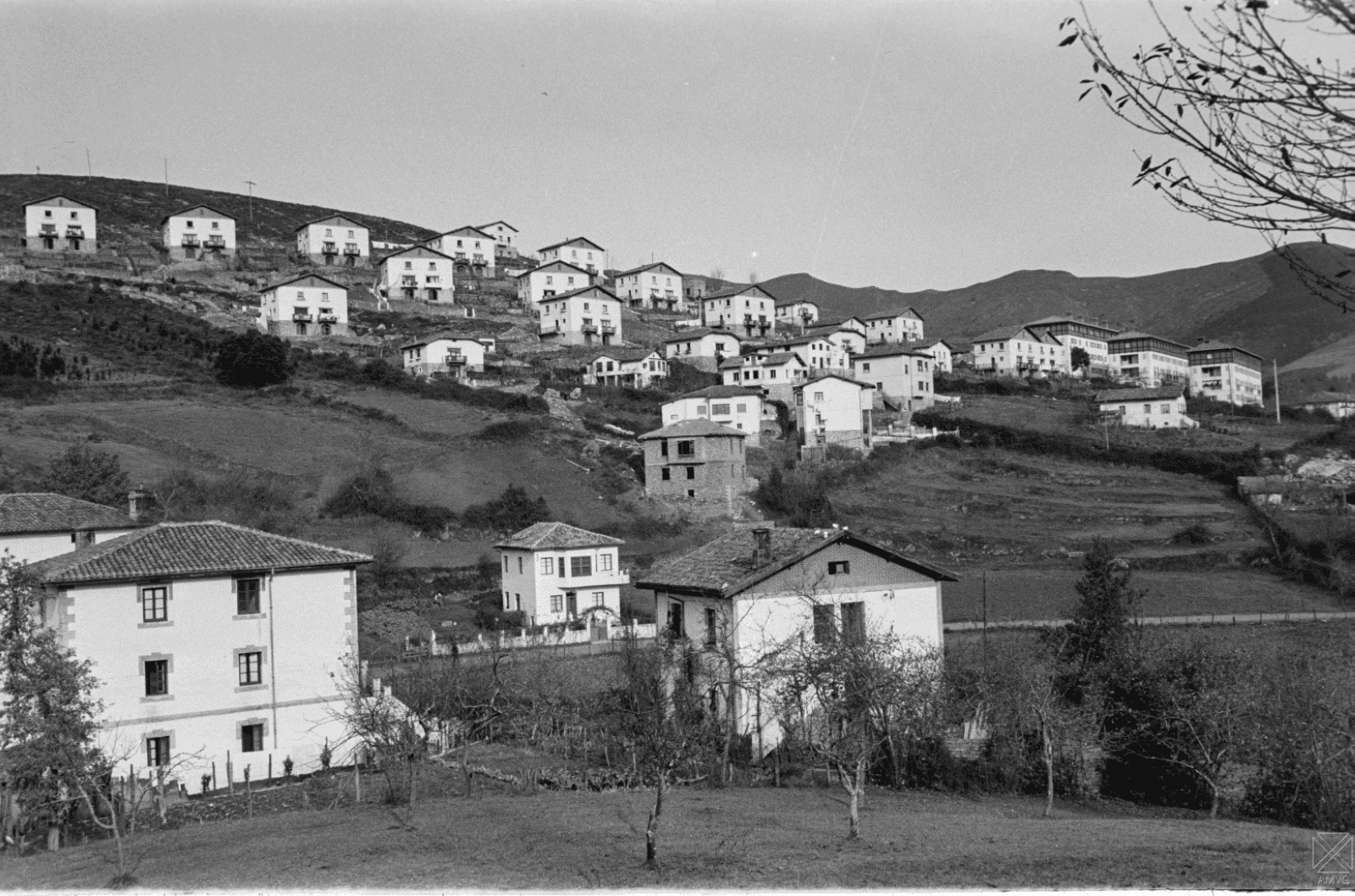
And around this bustling urban center are the neighborhoods: Ugarte, Larrazabal, Areta, Gardea, etc. It is easy to get lost on the country lanes, among farmhouses that recall another time, hills where they still thin out timber, the smell of wood-fired ovens, and life passes slowly.
Contrasts that everyone appreciates and enjoys among fairs, traditions and days of celebration.