
Playing cards
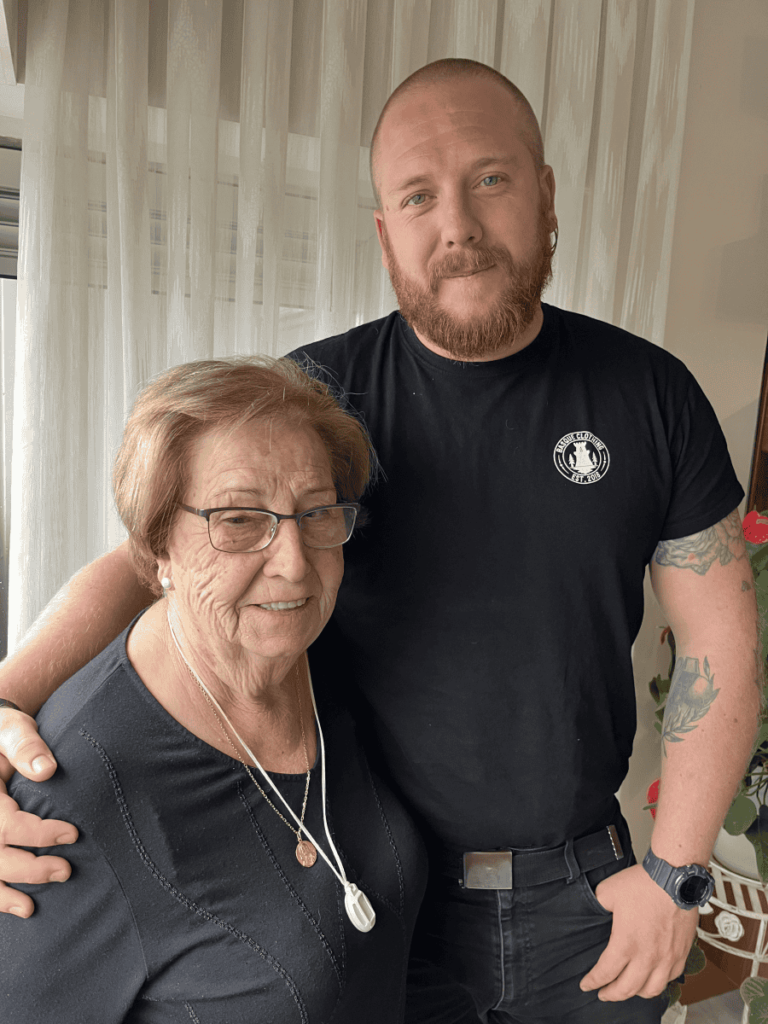
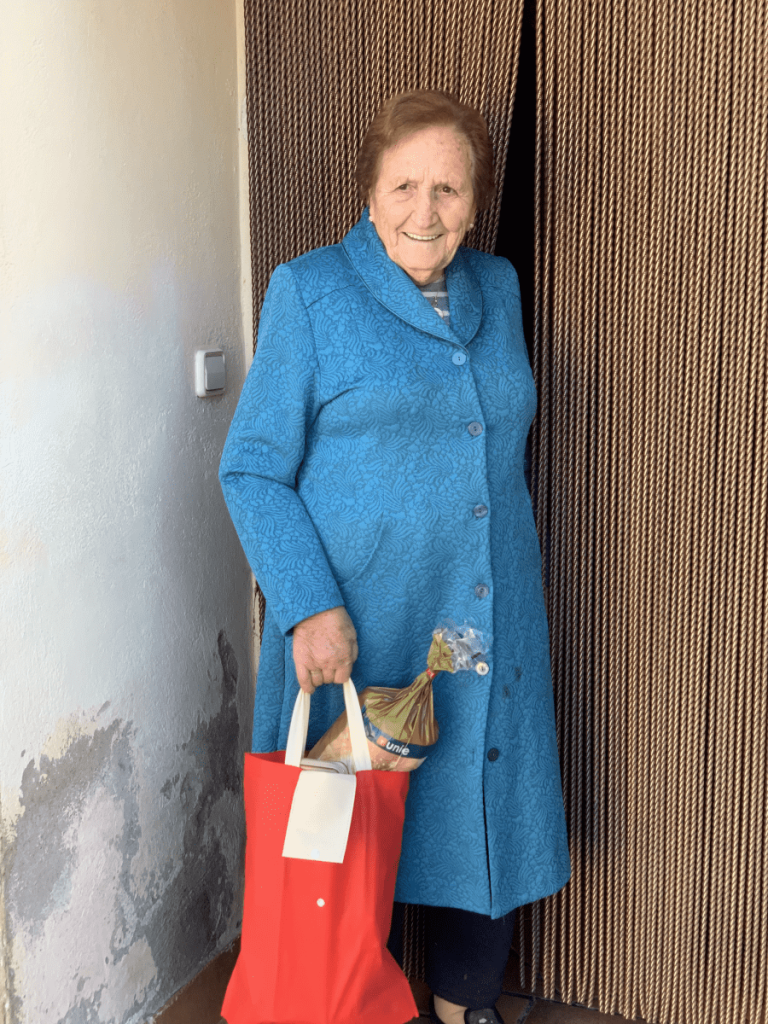
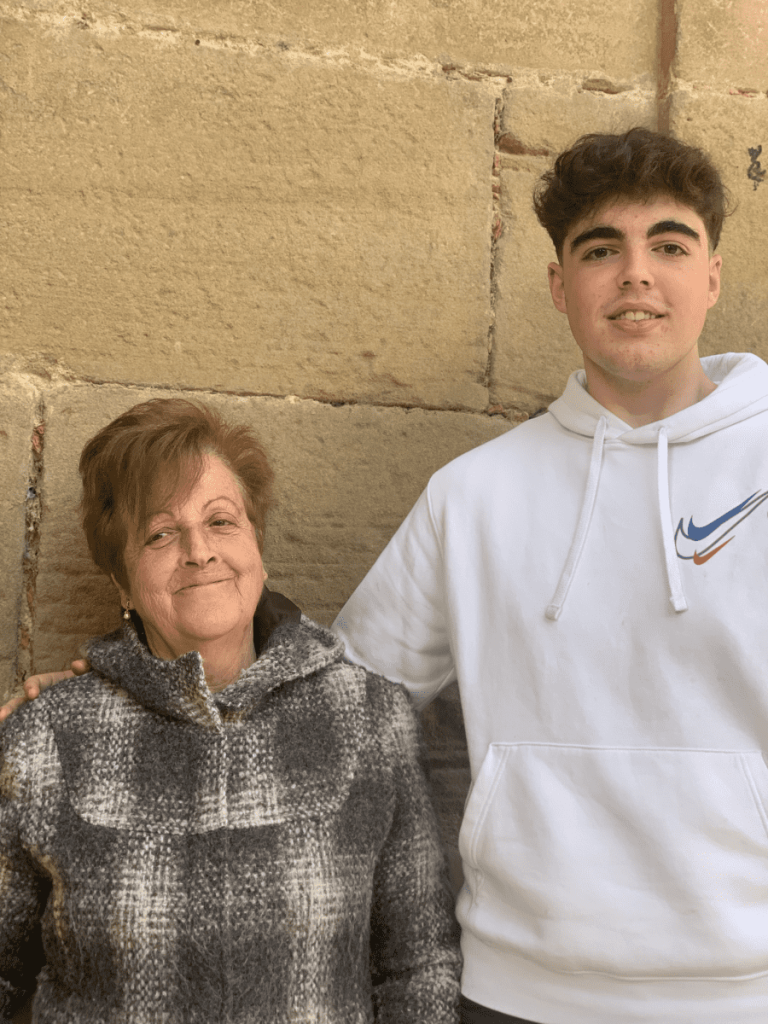
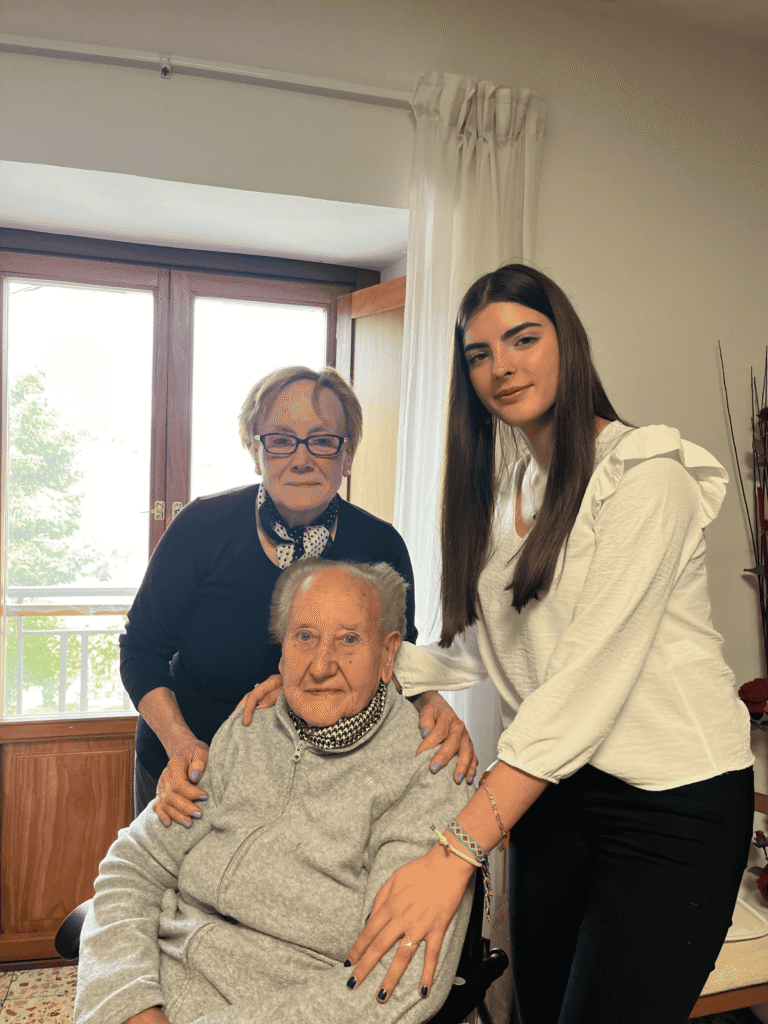
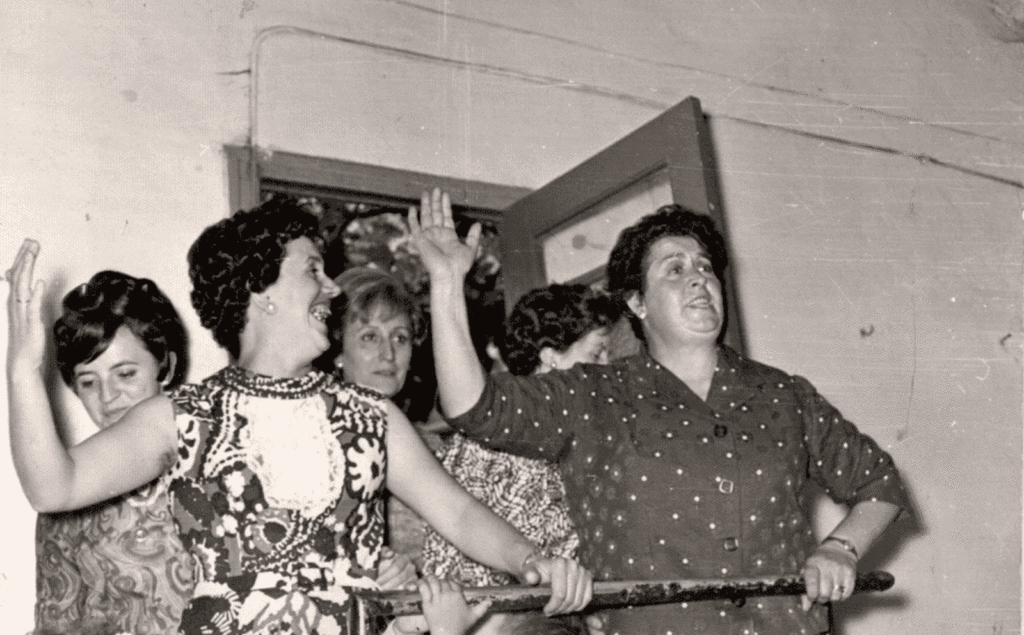
Back in the 70s, during the last years of Franco’s regime, two 18-year-old girls enthusiastically began the most Vitorian profession one could practice at that time: playing cards.

By recommendation
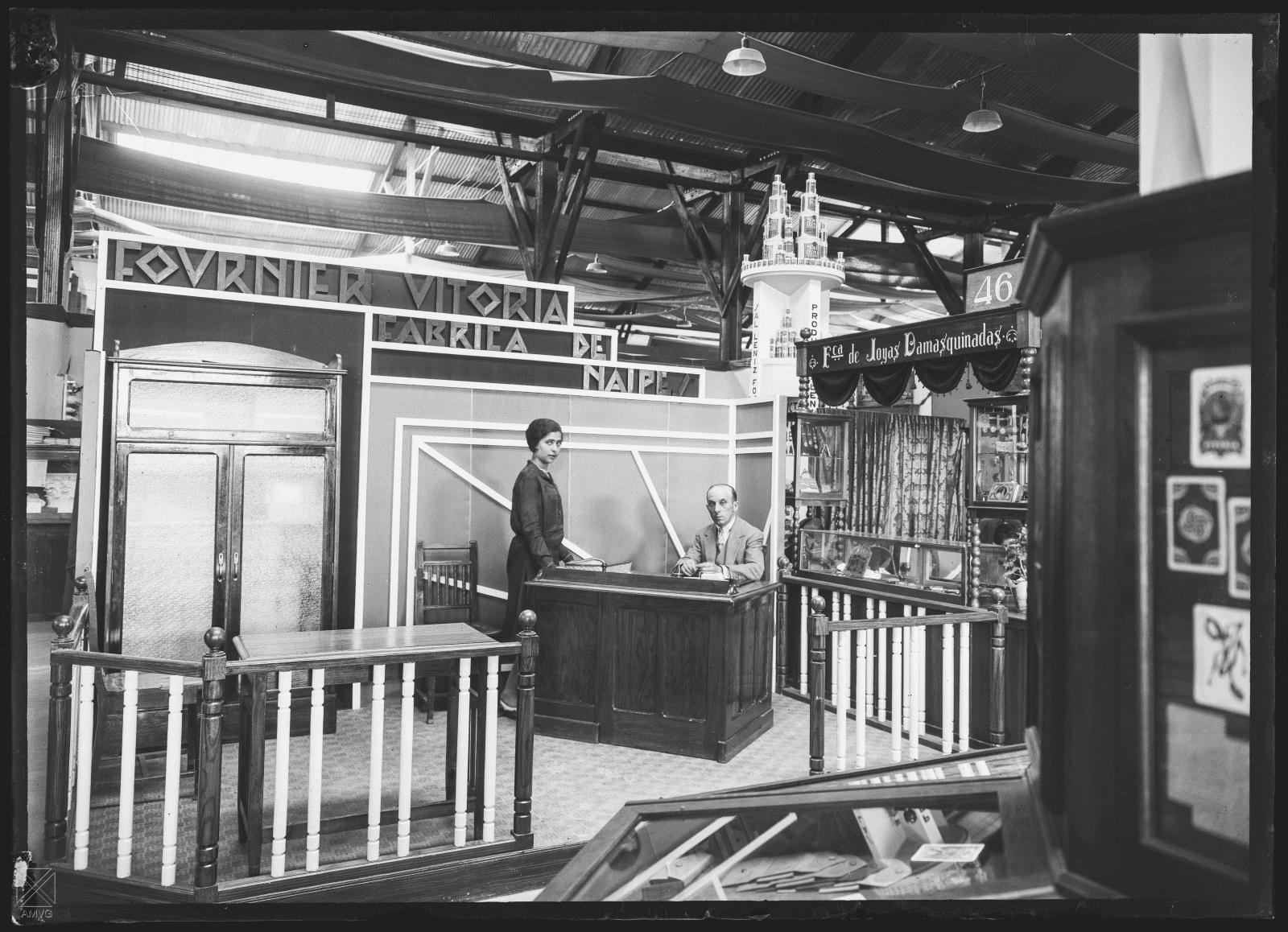
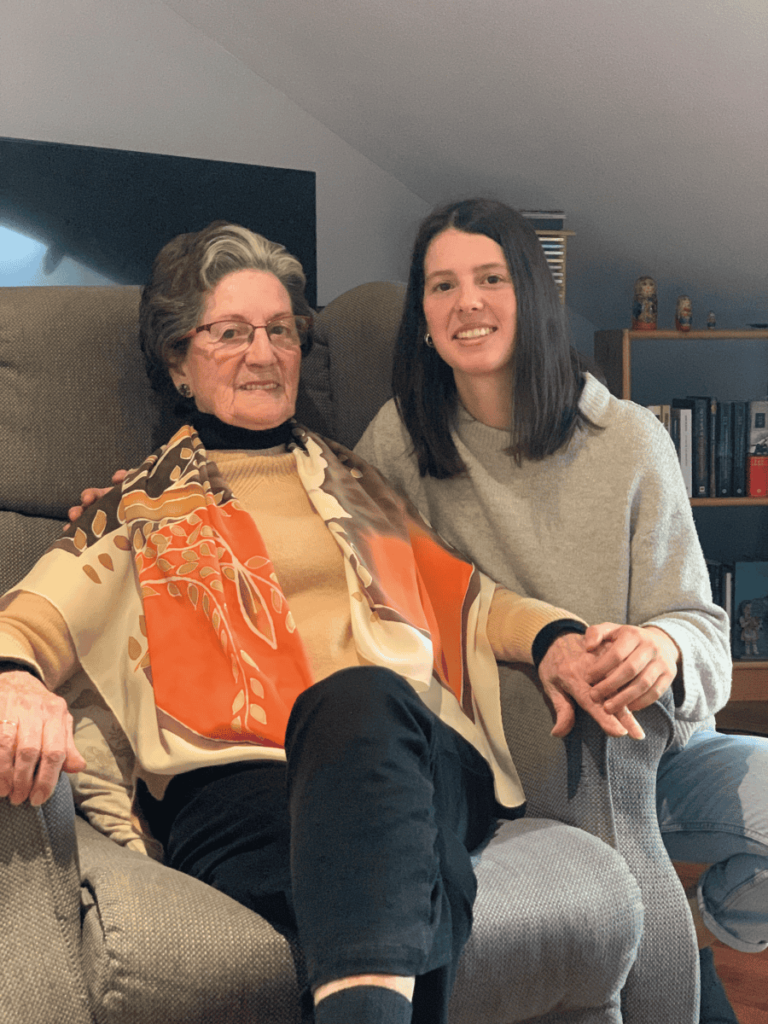
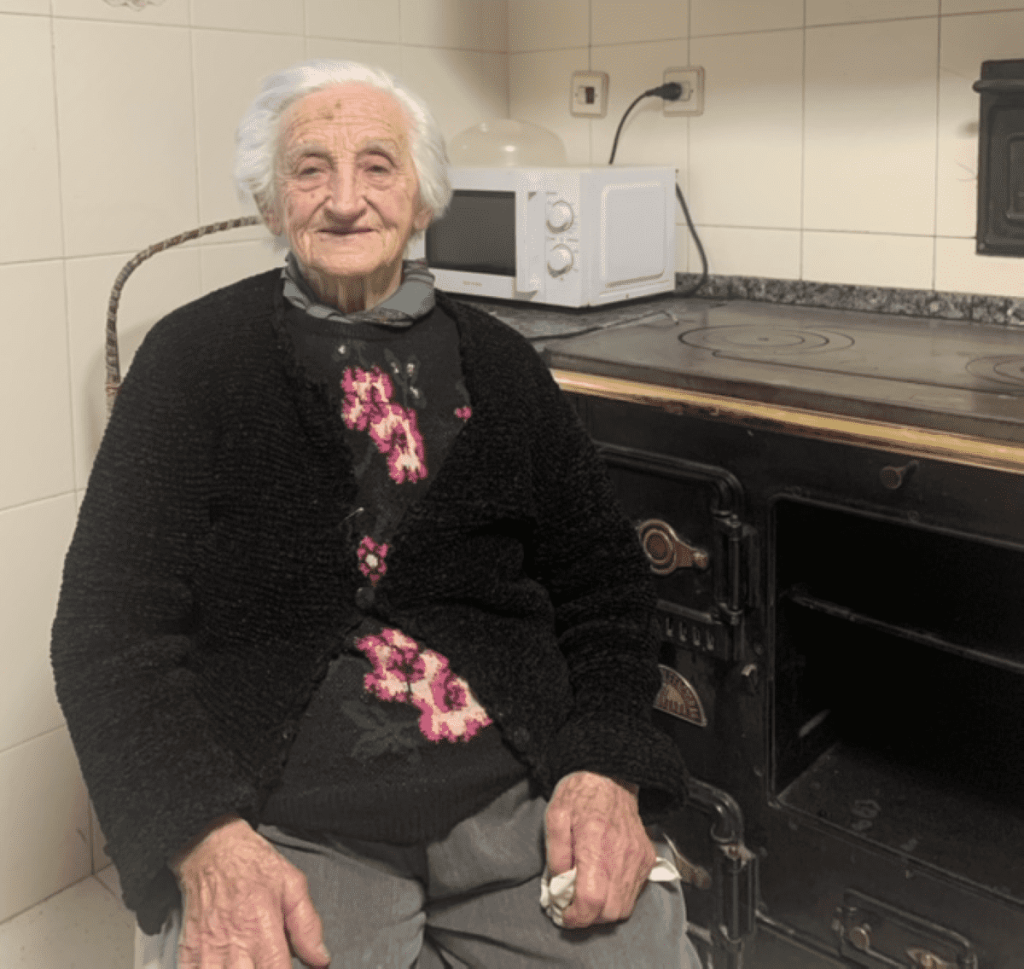
Sara Aguirre and Bea Varas started working at Naipes Heraclio Fournier on the recommendation of a family member, like most of the 700 employees of the most famous and international card factory, founded in Vitoria in 1870.
Back then, sending out resumes wasn’t the norm; connections were what mattered. In Sara’s case, she was recommended by her father, who, working as a lathe operator at Fournier, raised nine children. Bea even preferred Fournier to the famous Galerías Preciados department store and spent sixteen years as a card seller before changing course and becoming a medical assistant.

Fournier lent cachet
In those days in Vitoria, the few options for working-class girls were behind a shop counter or into a factory, like Areitio, which made zippers, or San Ignacio, which produced pots and pans. If they were lucky, they might work at Fournier, which “was more ladylike and the work was cleaner; you didn’t get dirty.” “It was intense, but we got along very well; we were young.”
Rewards and punishments
Working at Fournier was prestigious and much more. The owners – Félix Alfaro and his son, nicknamed ‘the bearded one’ – through the manager, “a huge man”, treated the card players with rewards and punishments that sometimes even “made them cry and wet themselves in their chairs with fear”, as if they were schoolgirls rather than workers.

Educational and medical aid
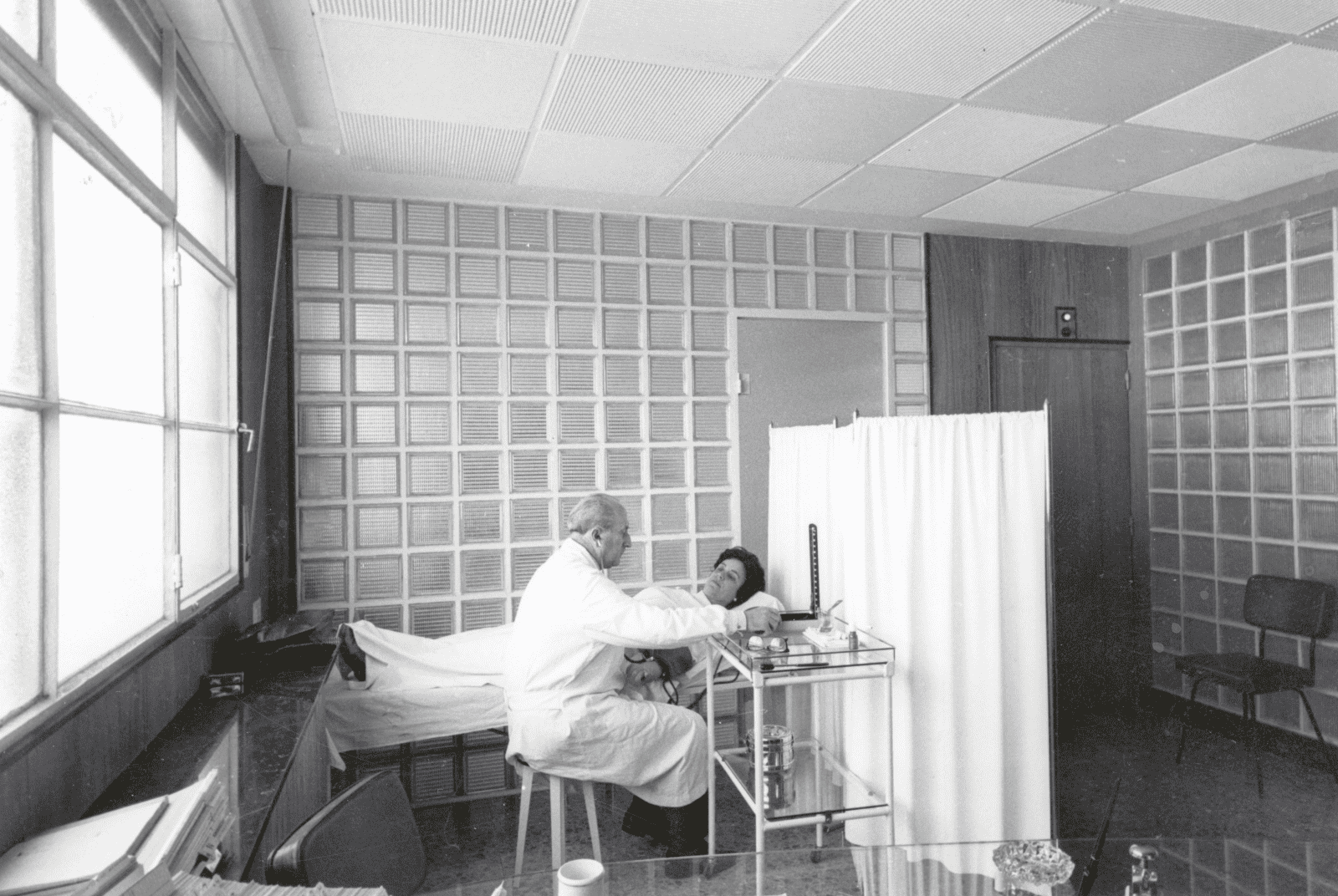
The Alfaro family also took care of their employees with good salaries, bonuses, educational and medical assistance, which at that time made the card makers quite privileged. “They incentivized us to study with money and trips, and there was even a library in the factory. Furthermore, they paid us 100% for sick leave and dental care as well.”
When you got married, you received a dowry in the form of a salary, and it was frowned upon to continue working because people “might think your husband was incapable of supporting you.” This wasn’t the case for Bea and Sara, whose boyfriends, like those of all the card players, would pick them up after work.
To be paid less than a male laborer
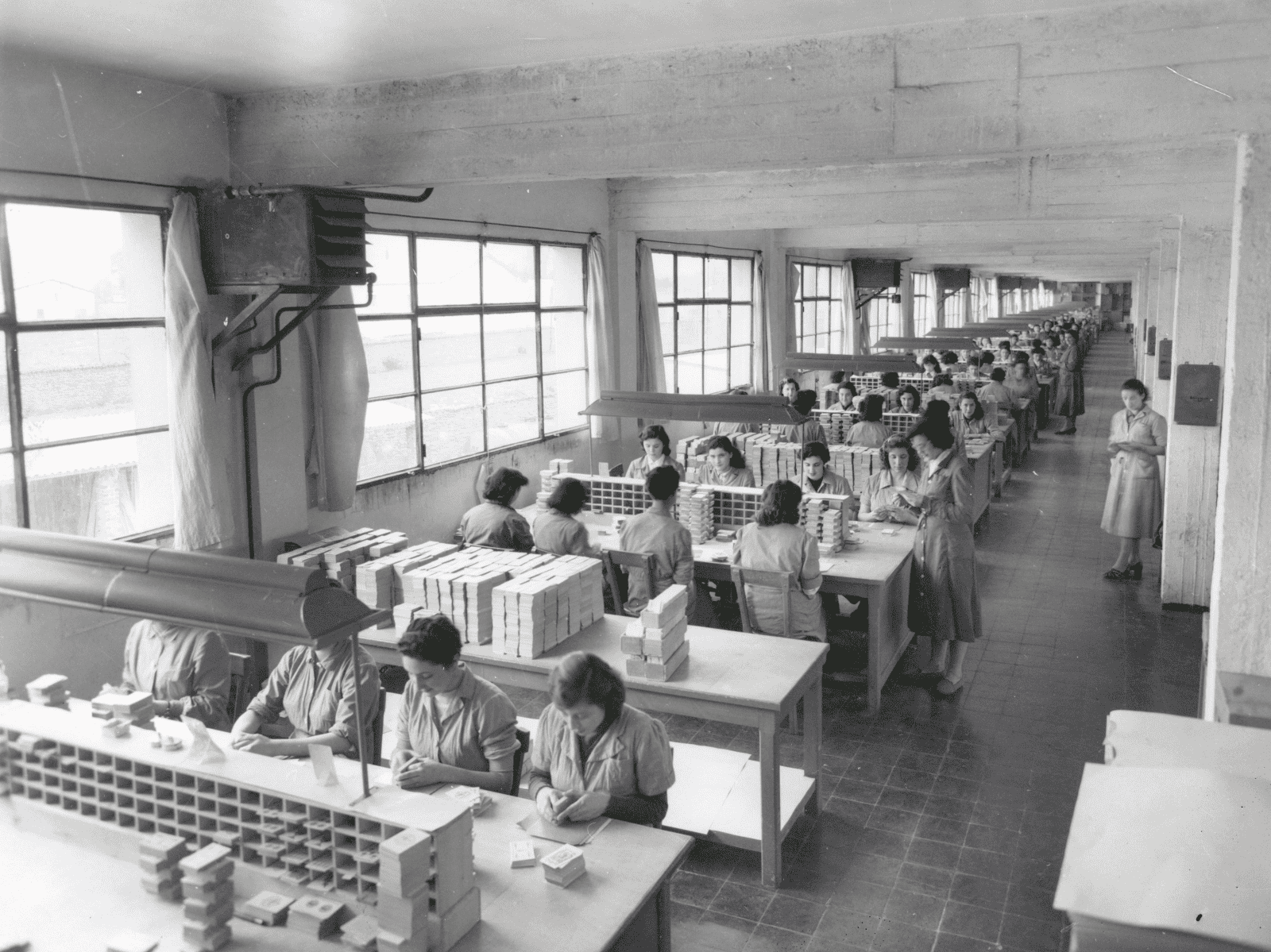
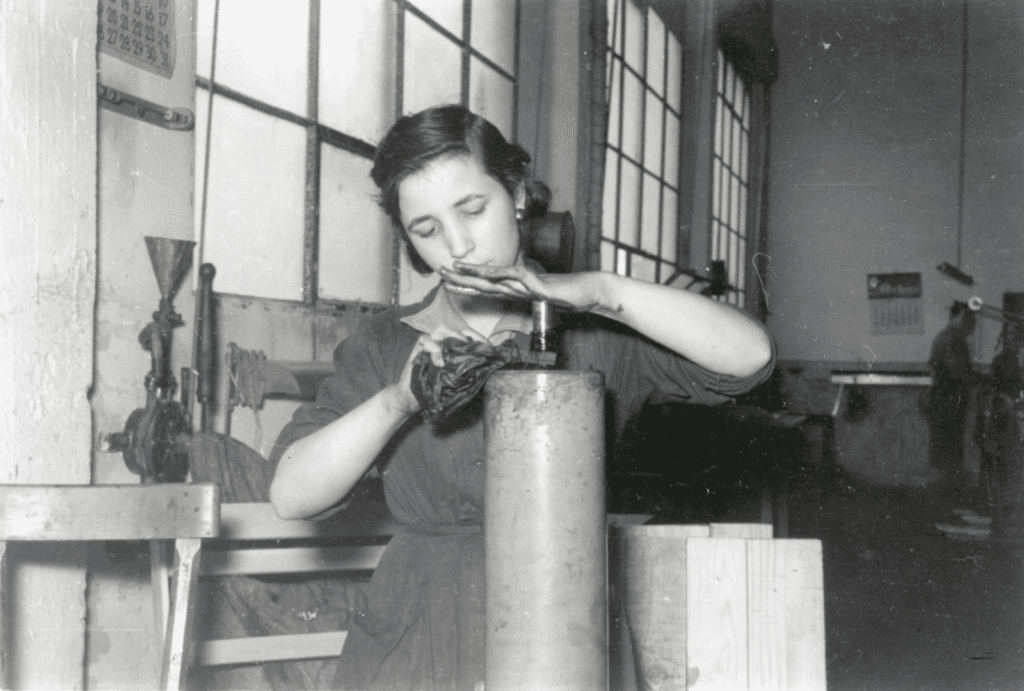
Sara worked in the “sorting” section, checking the cards to ensure quality; from there, she retained almost a dealer’s skill with the playing cards. Bea started in the section for gilding special cards and then moved on to working with the die-cutting machines.
Those were different times when women did not hold positions of authority and always earned less than men; out of 700 workers at Fournier, 500 were women, but all of them earned less than any of the male employees because their category was below that of warehouse workers.