
Times of scarcity
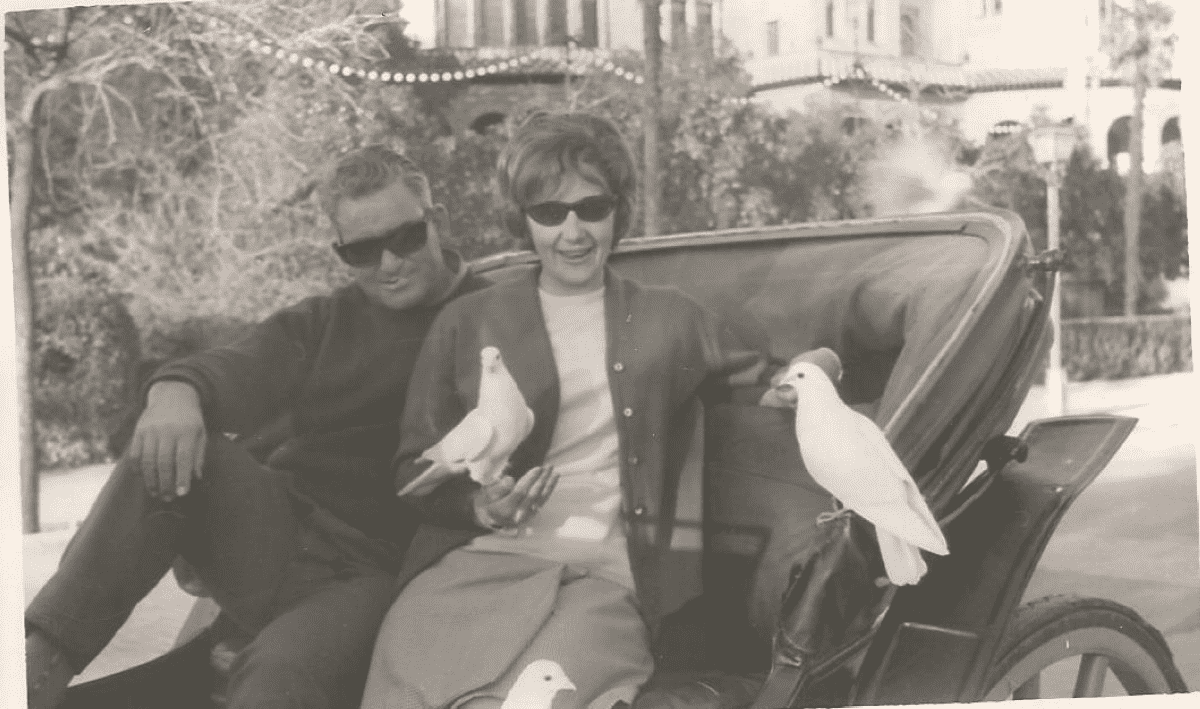
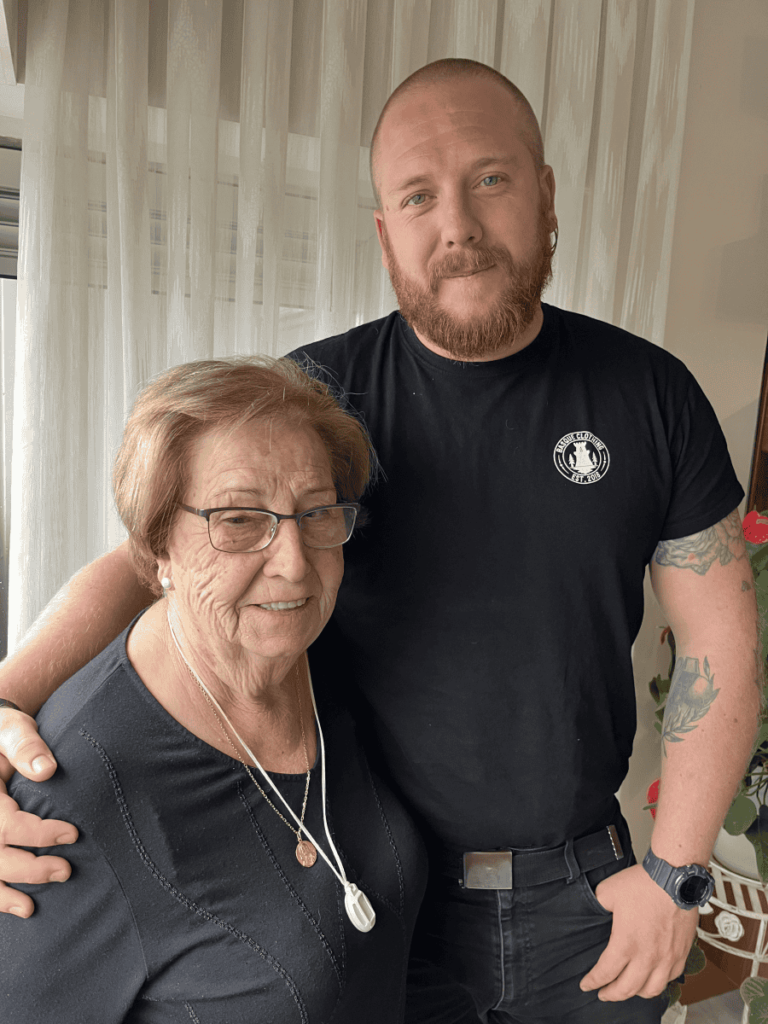
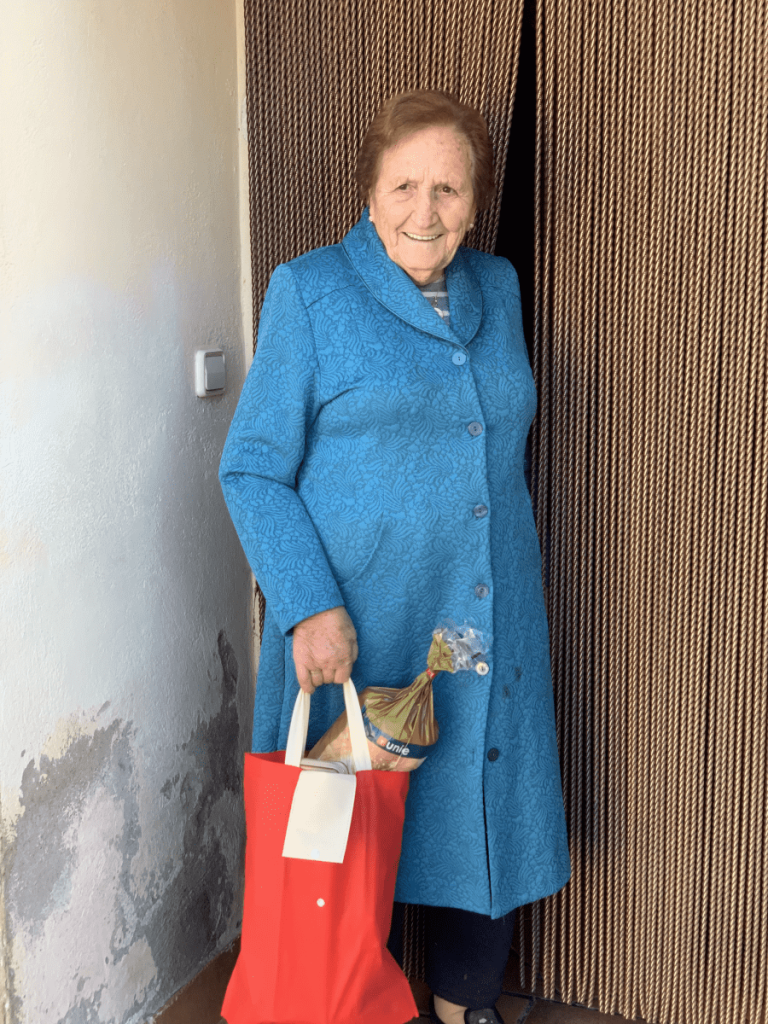
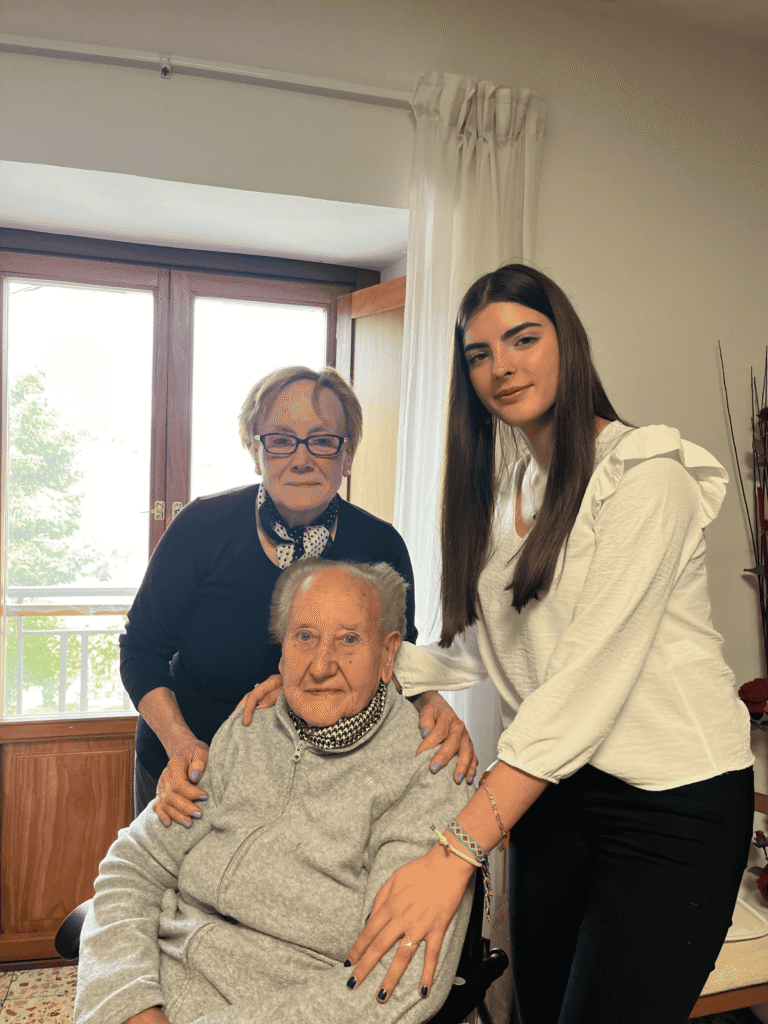
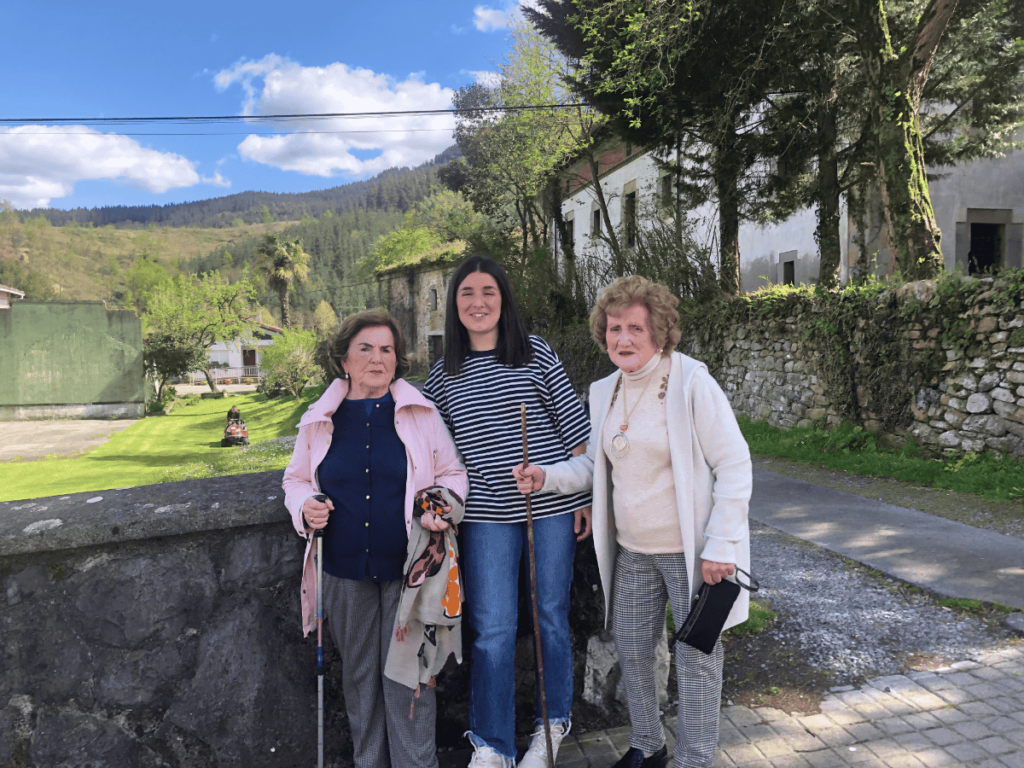
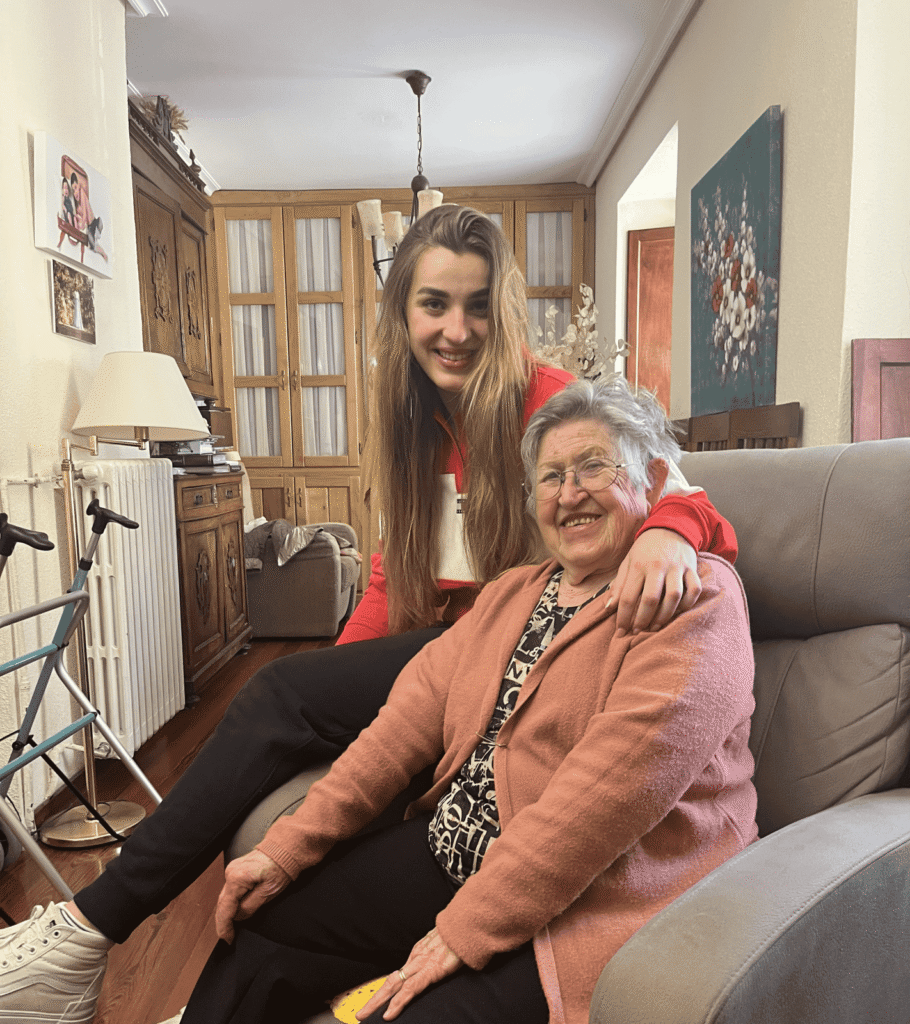
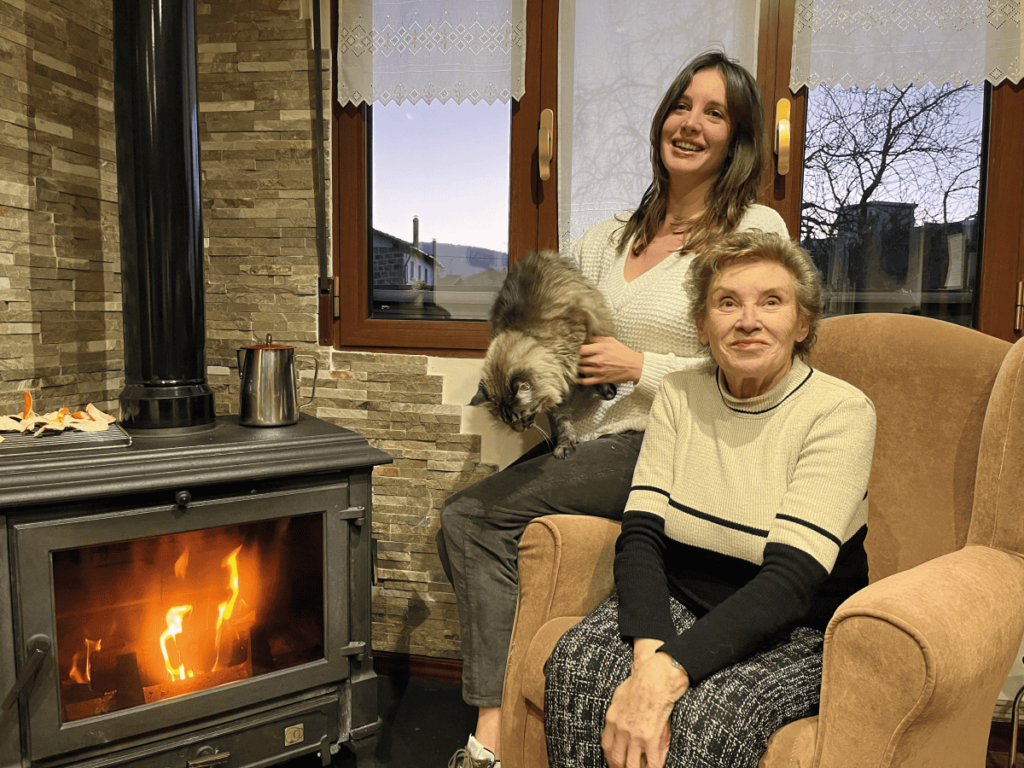
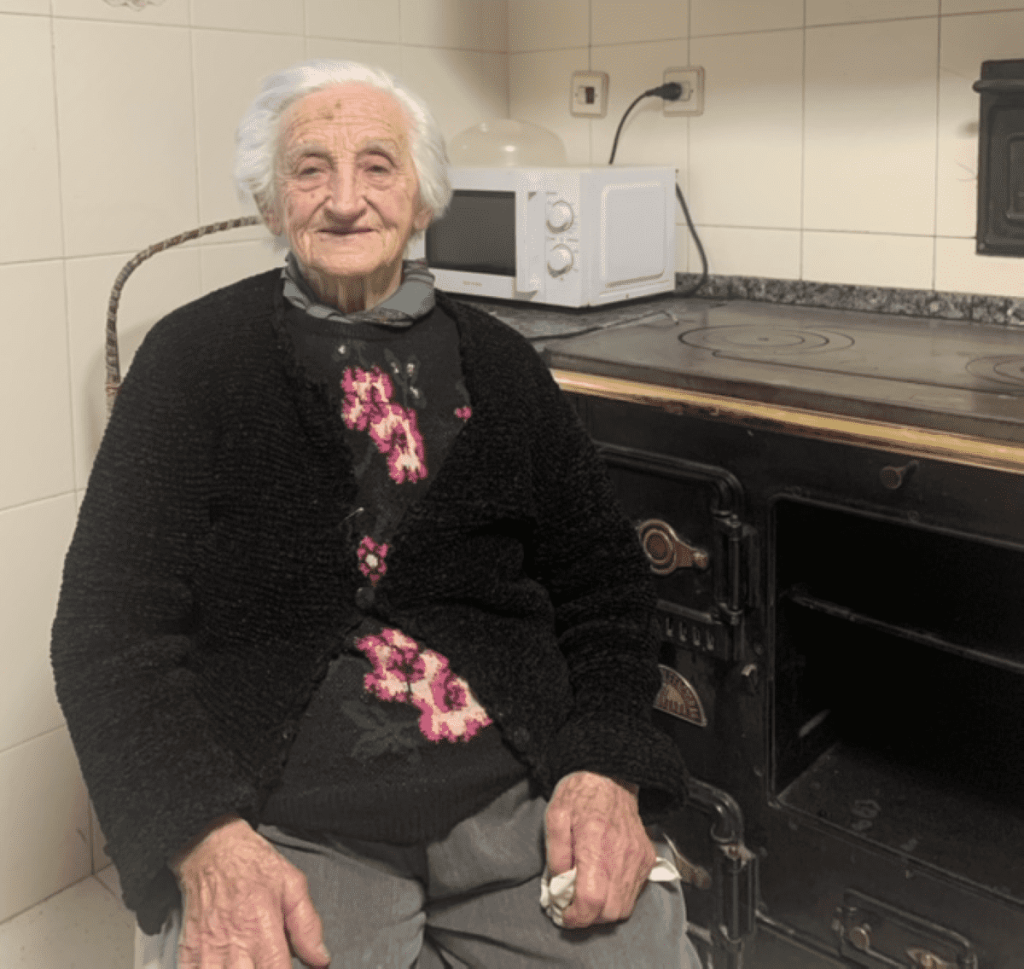
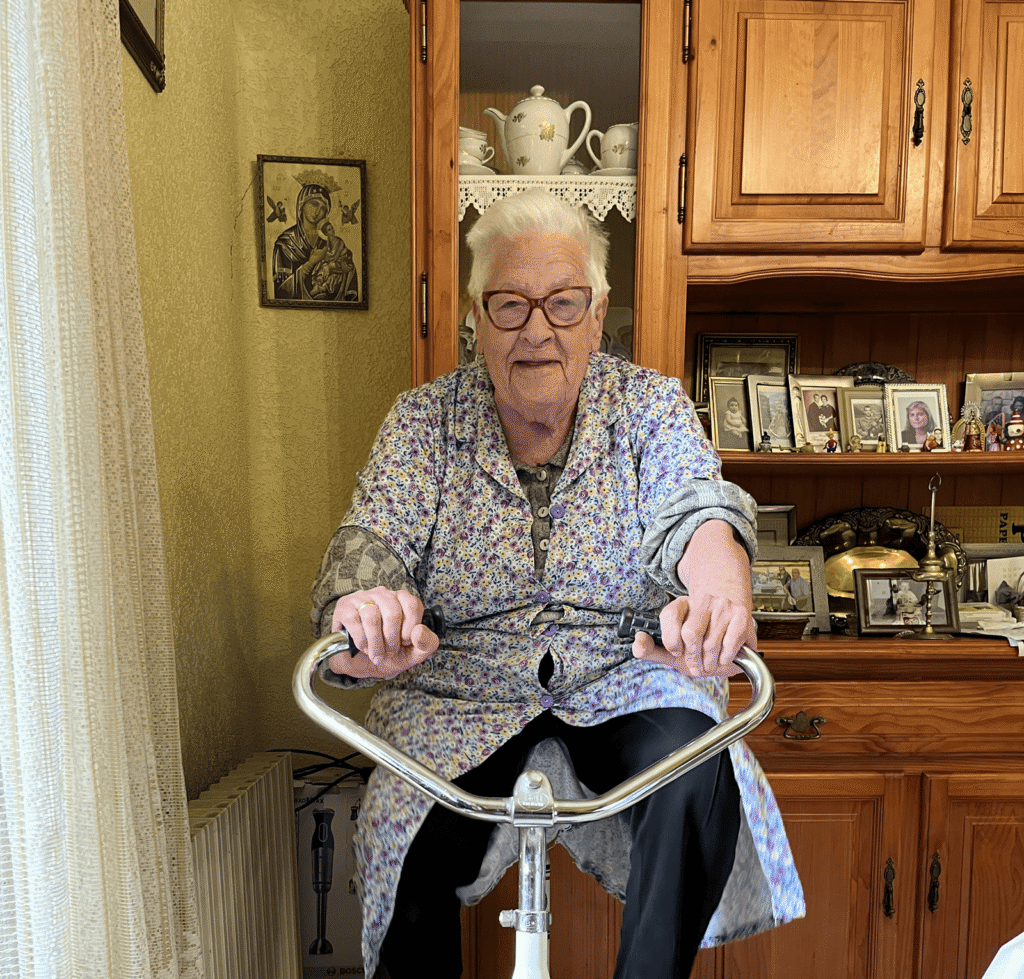
Benedicta Chasco, Bene, as everyone knows her, was born in Orbiso on November 12, 1936.
She was the eldest of nine brothers and sisters, which took her away from school very early to help at home, either taking care of the others or doing farm work.
Of the nine, six survived, something common in those years of misery after the war.
Oats, wheat, and barley were sown and then passed through the threshing sledge with children on top so that the weight would help separate the grain from the chaff.
Domesticated animals and hunting provided a basic but sufficient diet to survive without leaving anyone behind. “We lived similarly; in a similar way.”

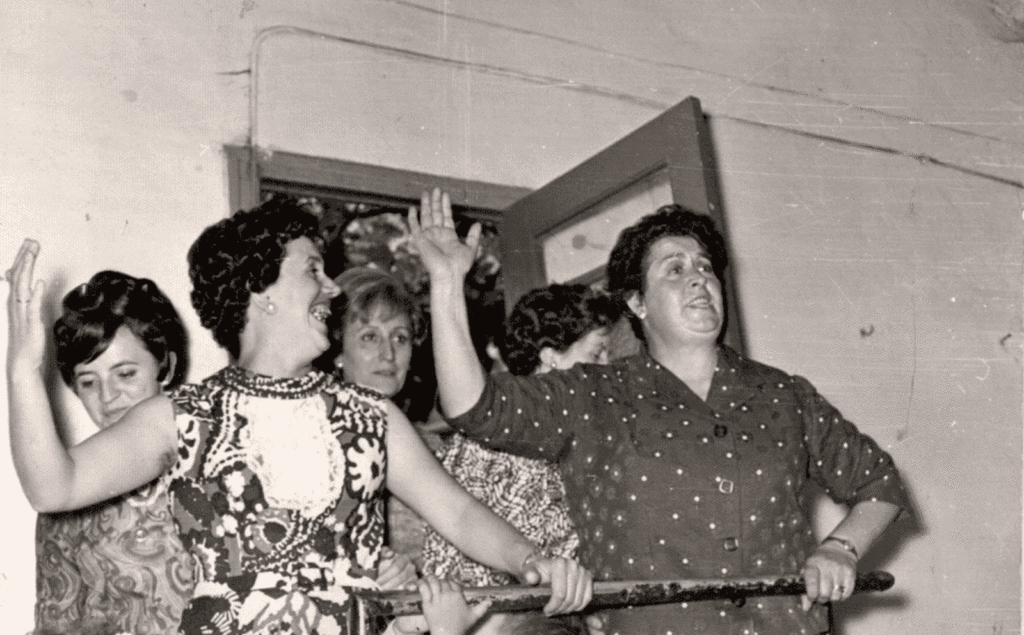
Photo provided by the Arrea restaurant
Charcoal burners and coalmen

At first, they were charcoal pits. These dotted the Álava Mountains in that half-century. Young people and adults participated in some way in the arduous task of building the pit, tending it, and extracting the charcoal, which was then, mostly by women, taken to be sold, especially to the villages of La Rioja, crossing the La Herrera pass on foot through the mountains.
They used to go in groups, often singing, and when night fell they would hold onto the animal’s tail to guide them back home.

Austere weddings
“They all got married in black, and I didn’t like that.”
During those years of her youth, Bene was sent to Larraona, in Navarre, to the home of some relatives who gave her shelter while she learned to sew; “at home I made all their clothes.”
When she got married, she made everyone the suit they were to wear, except for her own, a white dress that was custom-made for her.
She had started dating Ángel Gámiz, a young man also from Orbiso, when she was just eighteen. One day, returning from the fountain, he stopped her: “That’s how we started, with a little water; that’s how it all began.” In the simplest way, a relationship that ended up lasting a lifetime.
They started right there, buying a house where they offered shelter to the twenty or so workers that the Gámiz brothers had making charcoal and wood in the mountains.
Bene was in charge of keeping that noisy home full of men who returned from work with tired bodies upright and in order, “one sister-in-law to feed the sawmill, and the other and I to feed those in the mountains.”


Gámiz Woods
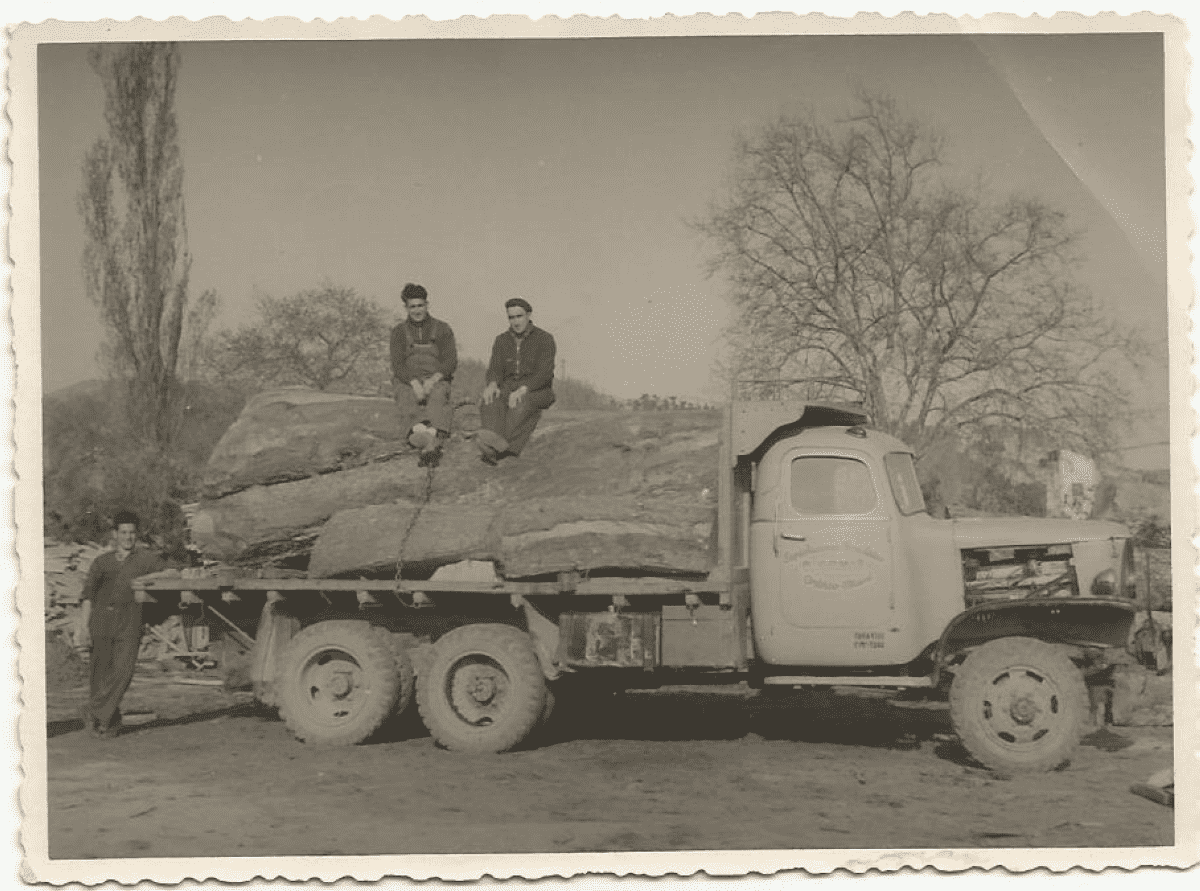
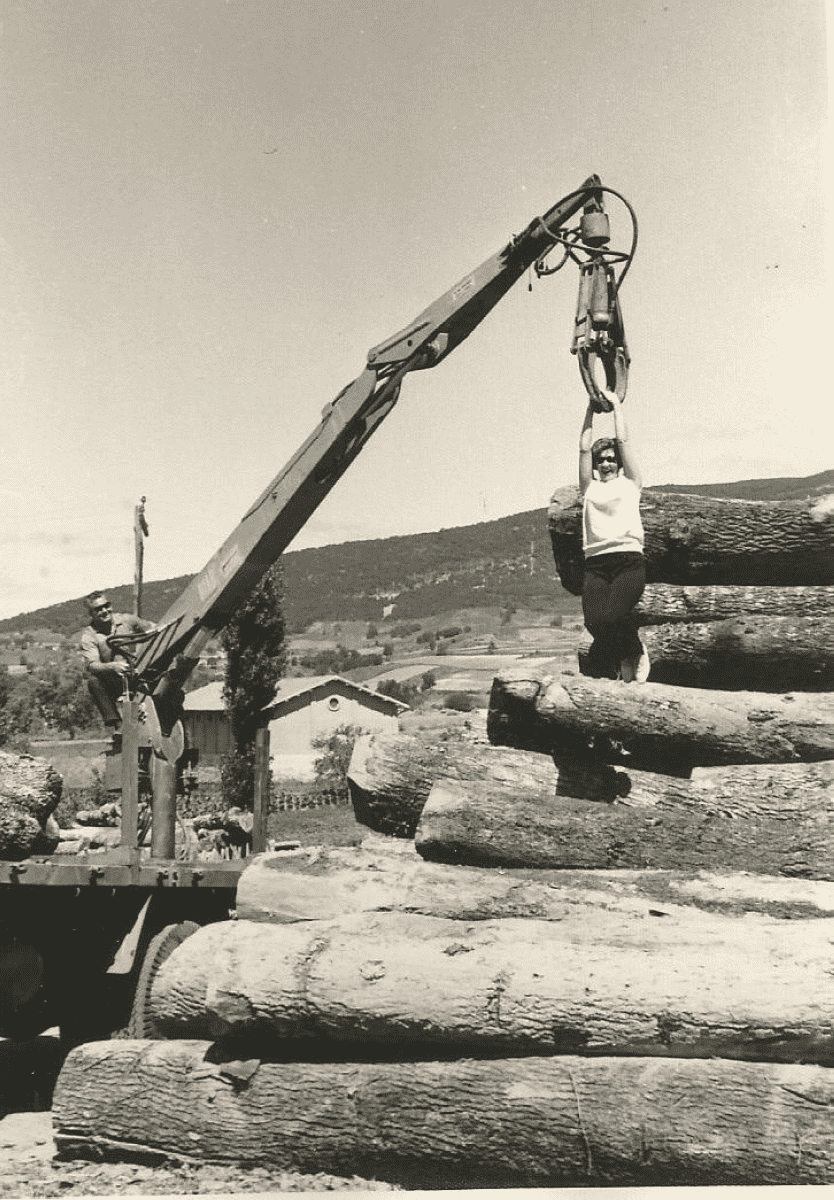
After starting out in forestry, coal mining, and timber sales, the five Gámiz brothers, including Ángel, started their first sawmill in Santa Cruz de Campezo. The year was 1957.
Next door they built a building with five apartments that has been the family home for decades. “The world of woodworking is tough, a constant coming and going; we’ve always been on our own.”
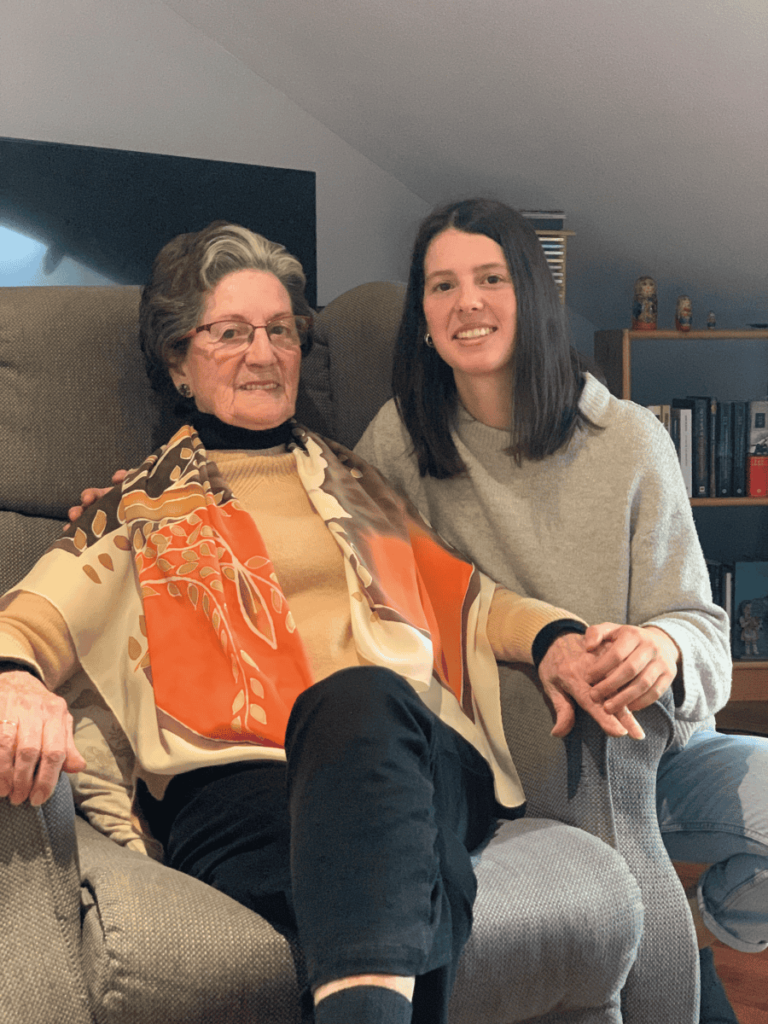
The world of wood never appealed to Sara Gámiz, the granddaughter, although she has breathed its scent and felt its texture since she was very little. Today she owns a rural guesthouse, Inta Landetxea. Many young people have chosen to stay; “my whole group of friends lives here.”
The Gámiz group has achieved international success by participating in the construction of buildings such as the new headquarters of the Paris Bar Association. Their laminated oak beams are used in the multinational AstraZeneca in Cambridge, as well as in the Cathedral of Santa María in Vitoria-Gasteiz.
In 2012, one of the most beautiful staircases was installed in this emblematic building, made with laminated oak beams, incorporating the entire tower into the ‘Open for Works’ guided tour program, and making it possible to access the bell tower and enjoy an unparalleled view.

The Hunt
“All week alone, they go off hunting, and you’re left alone again.”
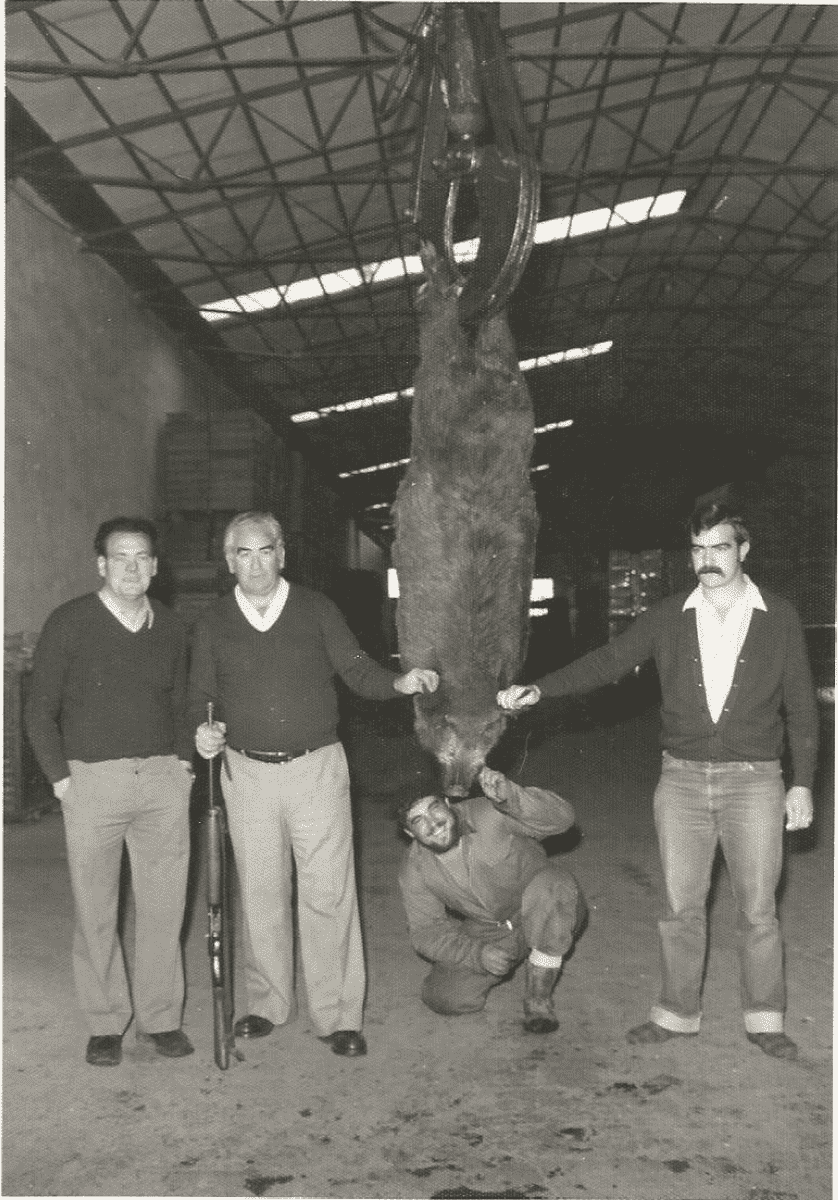
Hunters are the majority in Campezo, and it’s a long-standing tradition. “We hunt everything: roe deer, wild boar, woodcock… whatever’s available. Then we have enough for the whole year; we hardly buy any meat, we freeze it.”
The boy Sara shares her life with is also a hunter; “when he brings home one of those birds, I tell him, ‘Take it to your mother,’ or ‘I’ll take it to my grandmother.’” The one who best plucks woodcocks and knows how to cook them is still Bene, who plucks any bird with nimble hands.


An active town
“Now we go out much more than we did back then.”
Bene, who still remembers the days when one of the daughters of the Feliciano Ibarrondo Bakery, owned by several brothers, would walk beside her horse with baskets full of bread, to sell in the villages, does not miss any of the activities that are programmed in the village.
She does yoga and gymnastics, participates in the choir and the book club, and there is a women’s empowerment group that she has greatly appreciated.
This is a town with many services, and since the high school opened, the younger people have been settling here.