A life in the era

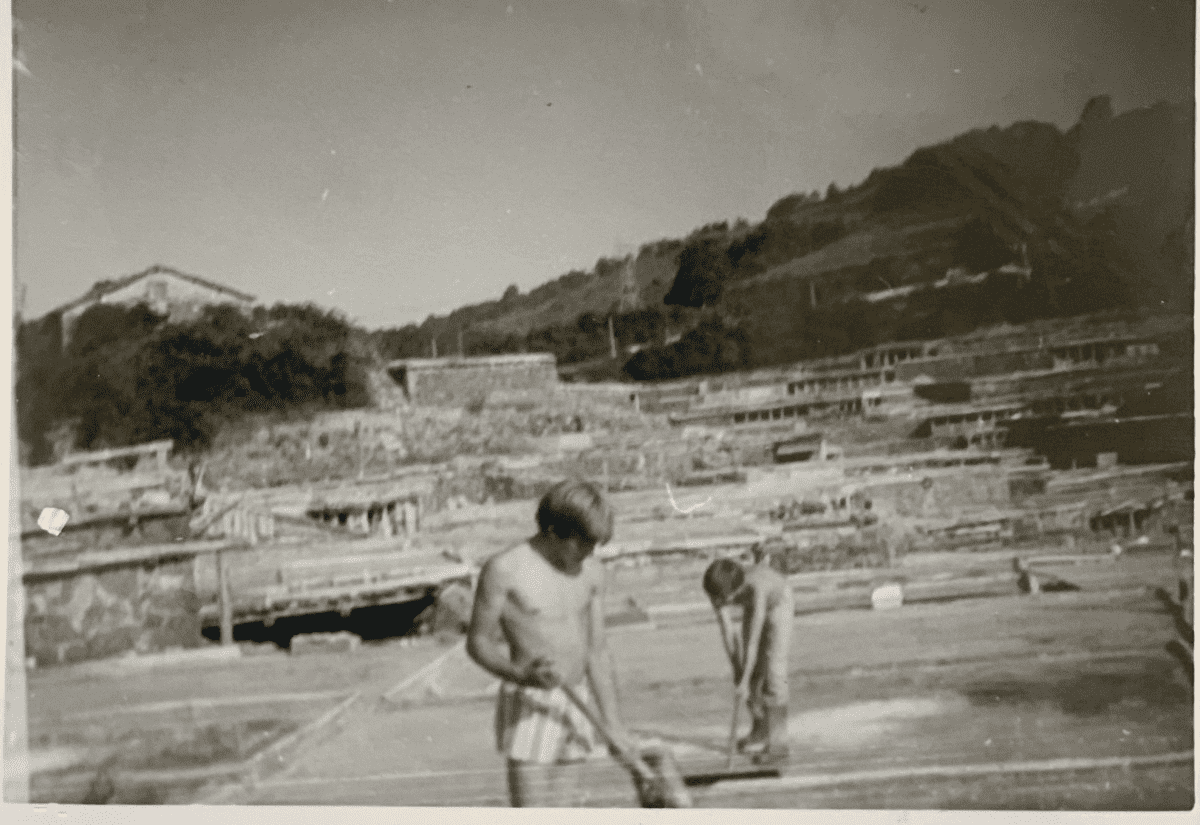
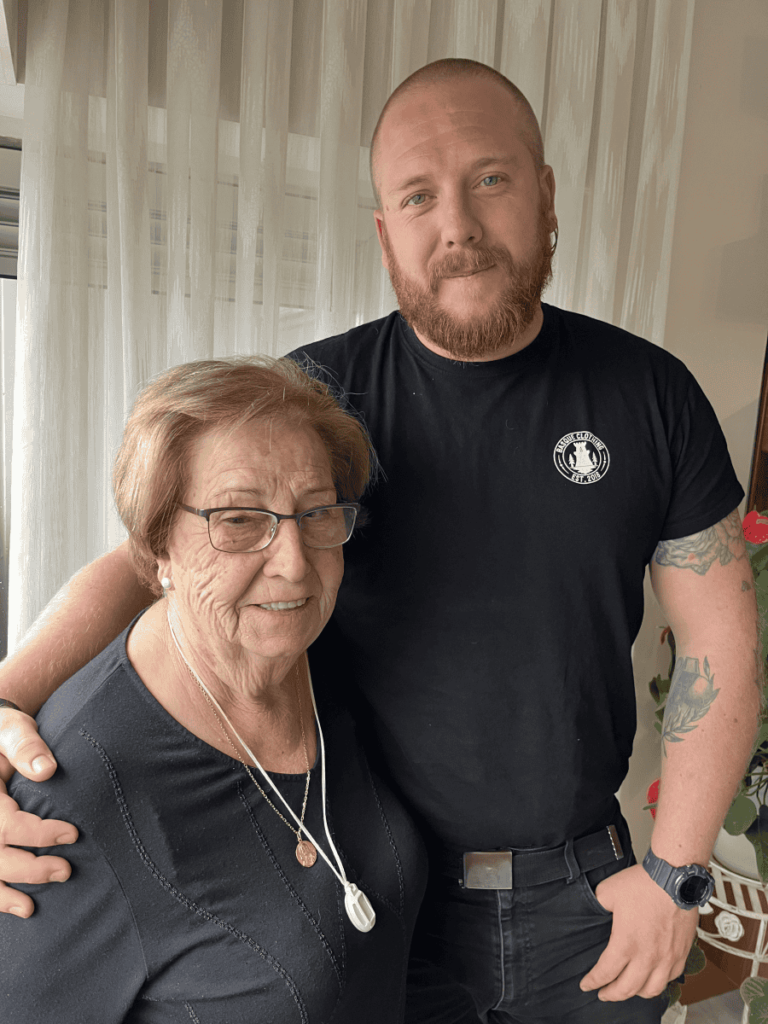
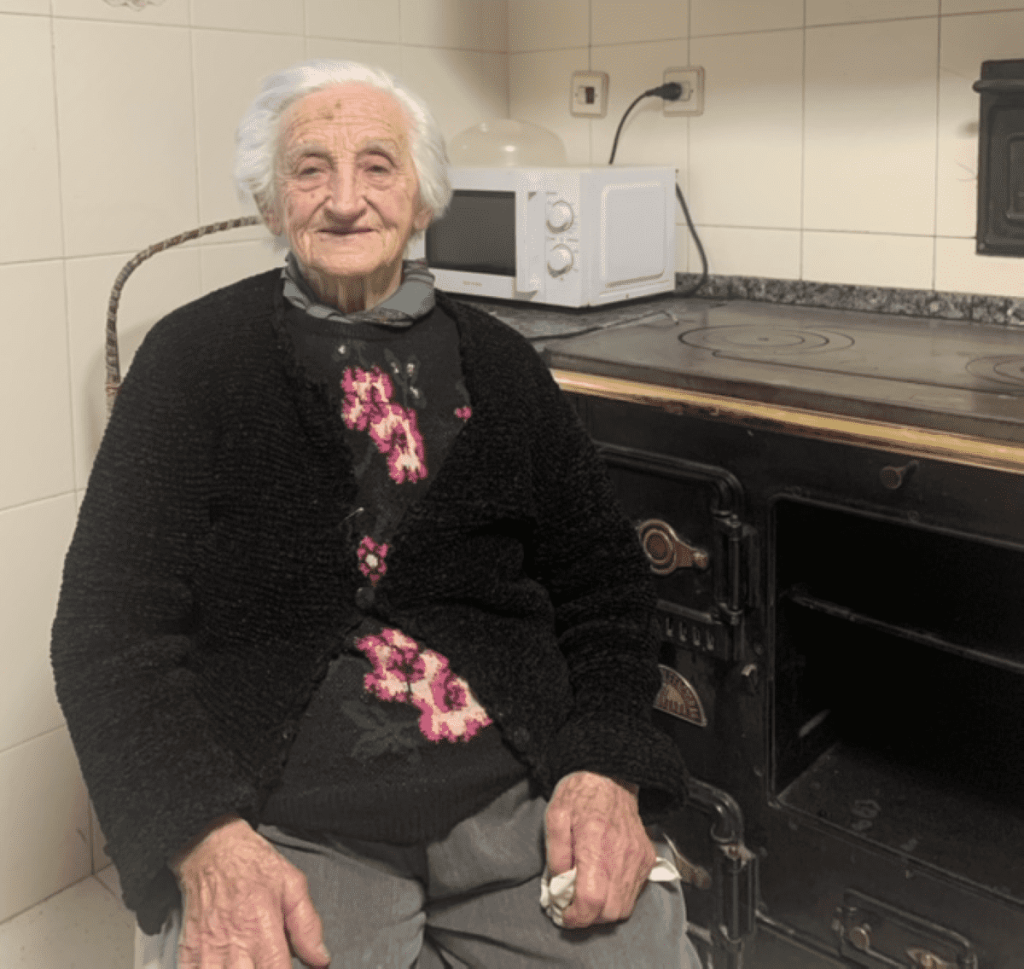
Without knowing the full extent of their ancestry, the Iturralde family was born and raised, just like Asunción, working the salt flats with their hands. All salt workers. So was her husband, and so many others who have found their origin and destiny in the Salt Valley of Añana.
At just ten years old, he left behind a school he had rarely attended, and began to help in the fields, even if it was just by stirring the water.
Four years later, at fourteen, he was hauling salt in sacks to the warehouses. Twenty trips a day. At first, twenty-five kilos, until his body gained strength and it became fifty.
He never stopped working. From April to October there wasn’t a single day off.
Nobody in the village had it. It was harvest time, when the threshing floors bustled with activity and singing.

Owned

It was at the end of the 20th century that the salt workers were able to buy the salt pans where they had been working for centuries.
There were always large landowners, though not many. The rest, the vast majority, worked and earned very little.
Asunción remembers when they were paid fifty centimos of a peseta for each kilo of salt they carried on their shoulders to the warehouse.

She also became a farmer and learned to care for livestock, but she never stopped getting wet with the brine. She had three children, all born at home, with the help of the village doctor.
Finally, they were able to buy some land and start earning a little more money for spending part of their lives drawing water from the well, soaking the mud, or carrying sacks that bent their backs.
The property in the 21st century extends to his niece, who lives in Vitoria, where she owns a hair salon.
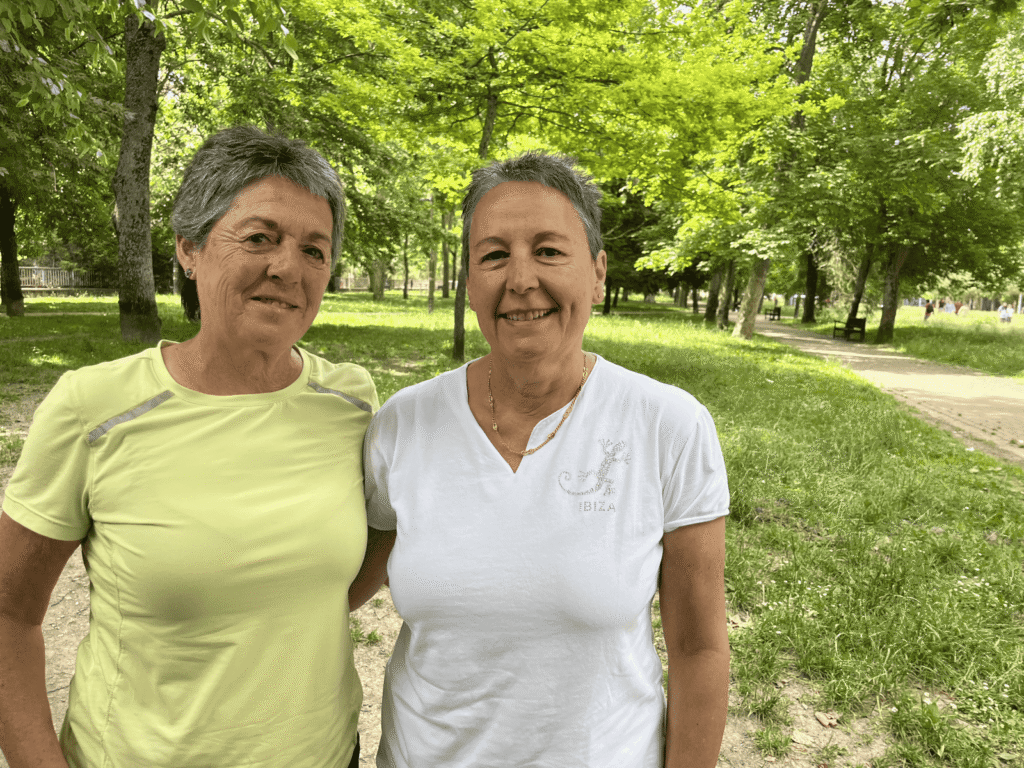
Naiara, her daughter Martina and her son Urko, come to the family home every summer.
“The best part is the family meals, and being out on the street all the time. I like Salinas in the summer, because life there is easy.”

United in the storm
Despite everything, that life was beautiful to live, in supportive company. Storms were dreaded, because the rain threatened to dissolve the wall, carry it away to the river, and lose it.
In those moments before the flood, everyone was running. So much work could be lost in an instant; they had to gather whatever they could, however little it might be. And it was then that solidarity became unbreakable.
Each family, after finishing their own harvest, would rush to help their neighbor if they were unable to save their small crop.
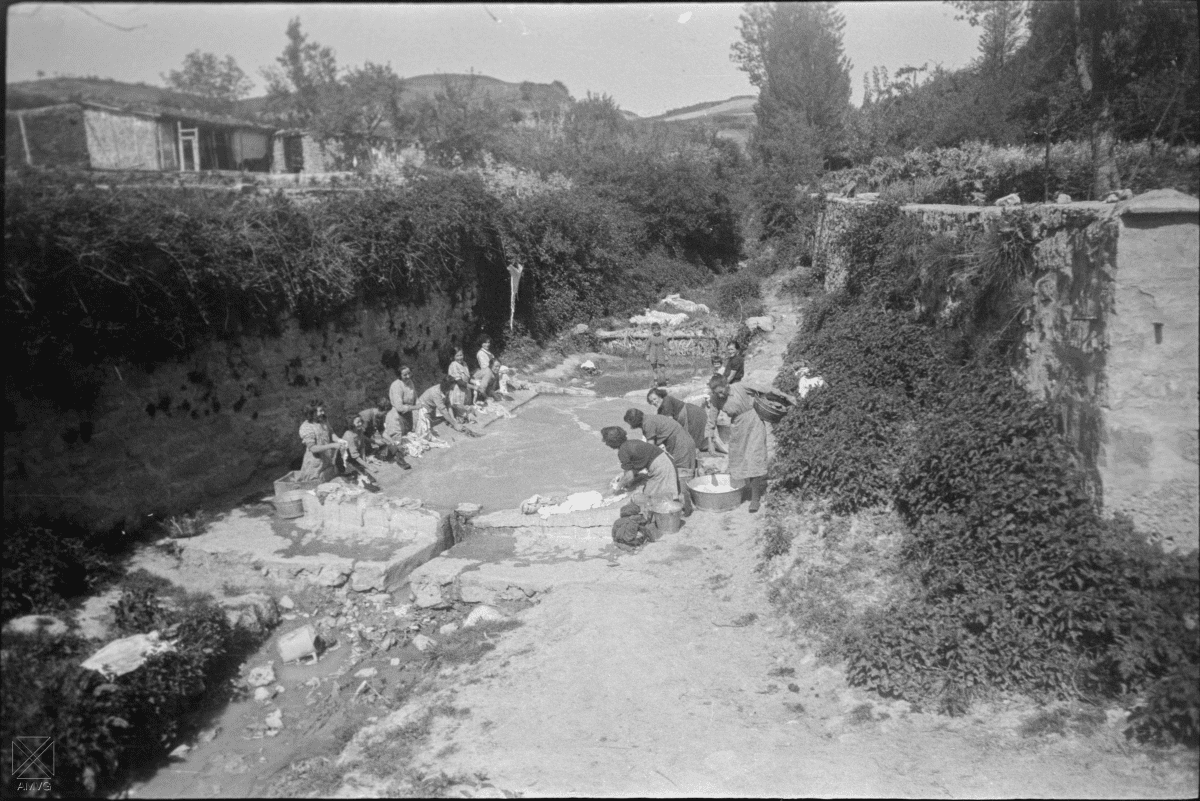
Furthermore, the damage wasn’t just economic; the saltwater inevitably reached the river, affecting the towns along its course. So life passed by quickly, almost unnoticed, caught between what the sky foretold and what the underground spring brought.

At least one dance

They savored life in small sips on Sunday afternoons, around the town square and the dance hall, where they gathered whenever work allowed. Everything started at six.
On those Sundays, young people from other places would come to the village in search of fun, even if they had to walk home along roads and paths late at night.
Asunción also remembers some pilgrimages; the furthest she ever went was to nearby Paul or Basquiñuelas.
But if there’s one special occasion to celebrate in this place, it’s the end of the harvest, known locally as the “entroje” or the salt festival. That day, the plaza overflowed with joy, because they could foresee days of rest and leisure.
The convent
There were years when the nuns of the Convent of St. John of Acre, belonging to the Order of Malta, barely had enough to eat. Extremely poor, they relied on the help of the younger women, who decided to go out on Sundays with a donkey to travel from village to village in search of potatoes to feed themselves.
In the second decade of the 21st century, the sisters who reside within the stone walls that preside over the Salt Valley can be counted on the fingers of one hand, but in the middle of the last century, about twenty nuns tried to survive in this same place from which the wealth and the reason for being of Añana is reflected: its salt.

An indelible mark
With the passing of years and the wisdom that comes from a life lived, worked and well exploited, Asunción knows that salt also hurts, that it corrodes, that for her, who has spent her existence wetting her feet with the brine of the threshing floor, it has left indelible marks.
After all, she’s a little fed up with the salt that has filled the days of her life.
The same indelible mark that can’t be erased from the houses of yesteryear. Where hams wrapped in salt were hung after the slaughter, everything around them became old and worn, completely cracked. The salt spoiled it. The same salt that renowned chefs today praise as one of the best in the world.