
Life with hunger and a lot of work
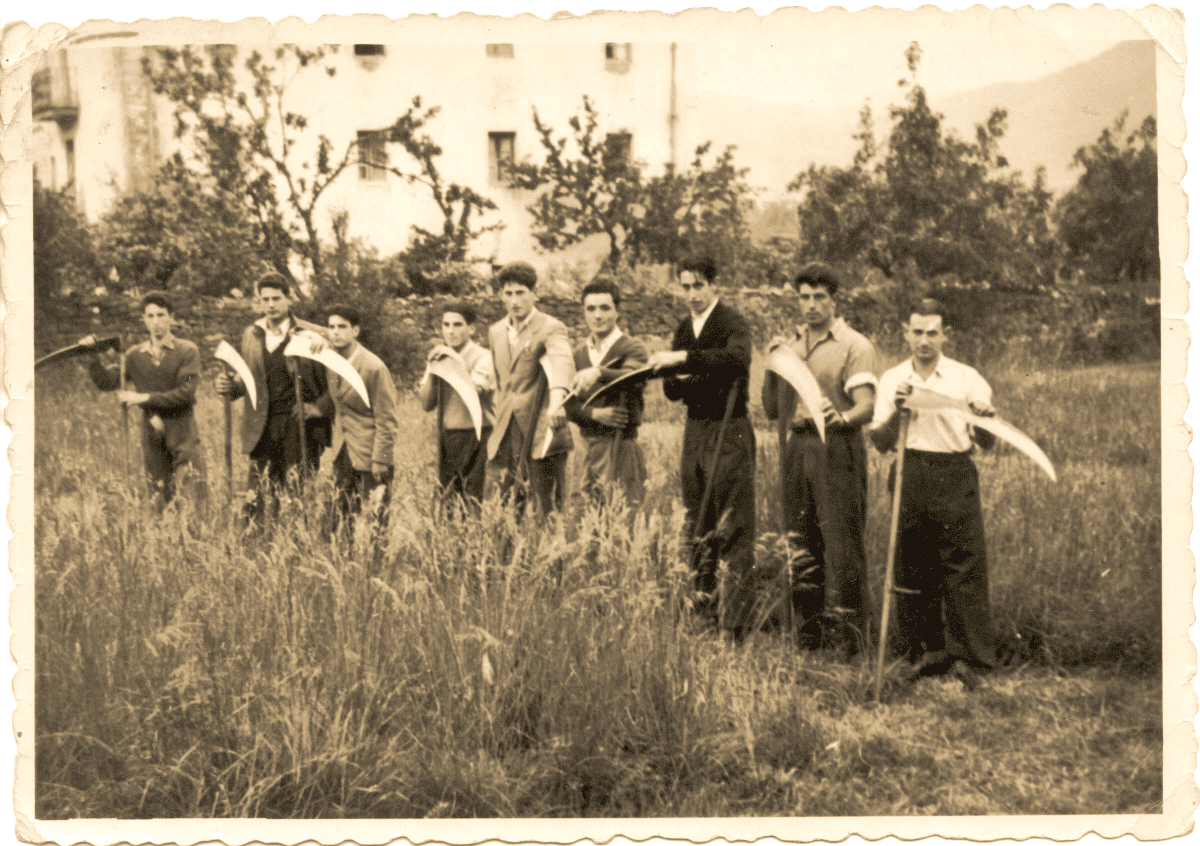
Around 1932, when Esther was born, in Artziniega there were more than a hundred farmhouses dedicated to farming and the cultivation of corn, wheat or fodder and some beans.
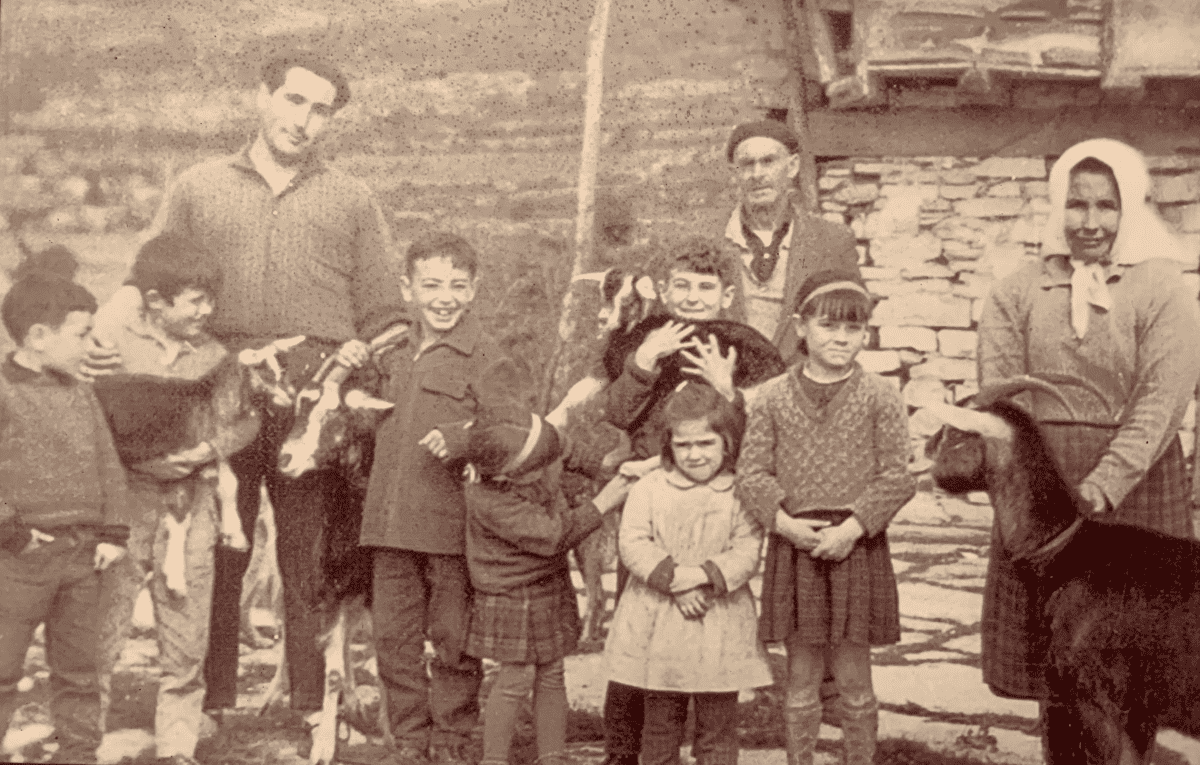
The family lived alongside cows and oxen, sheep and pigs. As time went on, life changed thanks to industry and the establishment in Ayala of a Tubacex subsidiary and other companies such as Exon and Oyargar.

“Working all my life.” Esther would substitute as a butcher for her husband Vicente “the tanner”, “like when he went to the Basque Country”, and she would serve in rich houses in Balmaseda or Getxo wearing a cap and gloves.
He cleaned more homes than his own, worked the land, went through the La Conchita sack factory and ended his working days cleaning at Tubacex.
Even in retirement, she would go and make coffee for the bosses who gave her the wedding dress for her eldest granddaughter.

Nothing was superfluous and everything was managed.
Milk and bread to start the day, bright and early. While it was still dark, the women would jump out of bed to stoke the fire and prepare breakfast. Chickpeas and oxtails were for Easter and Sundays. Luckily, they made blood sausage at home, which added a little zest to the table.
Beans and potatoes filled the daily menus, and thanks to the vegetable garden some vegetables would fall by the wayside, especially in summer.

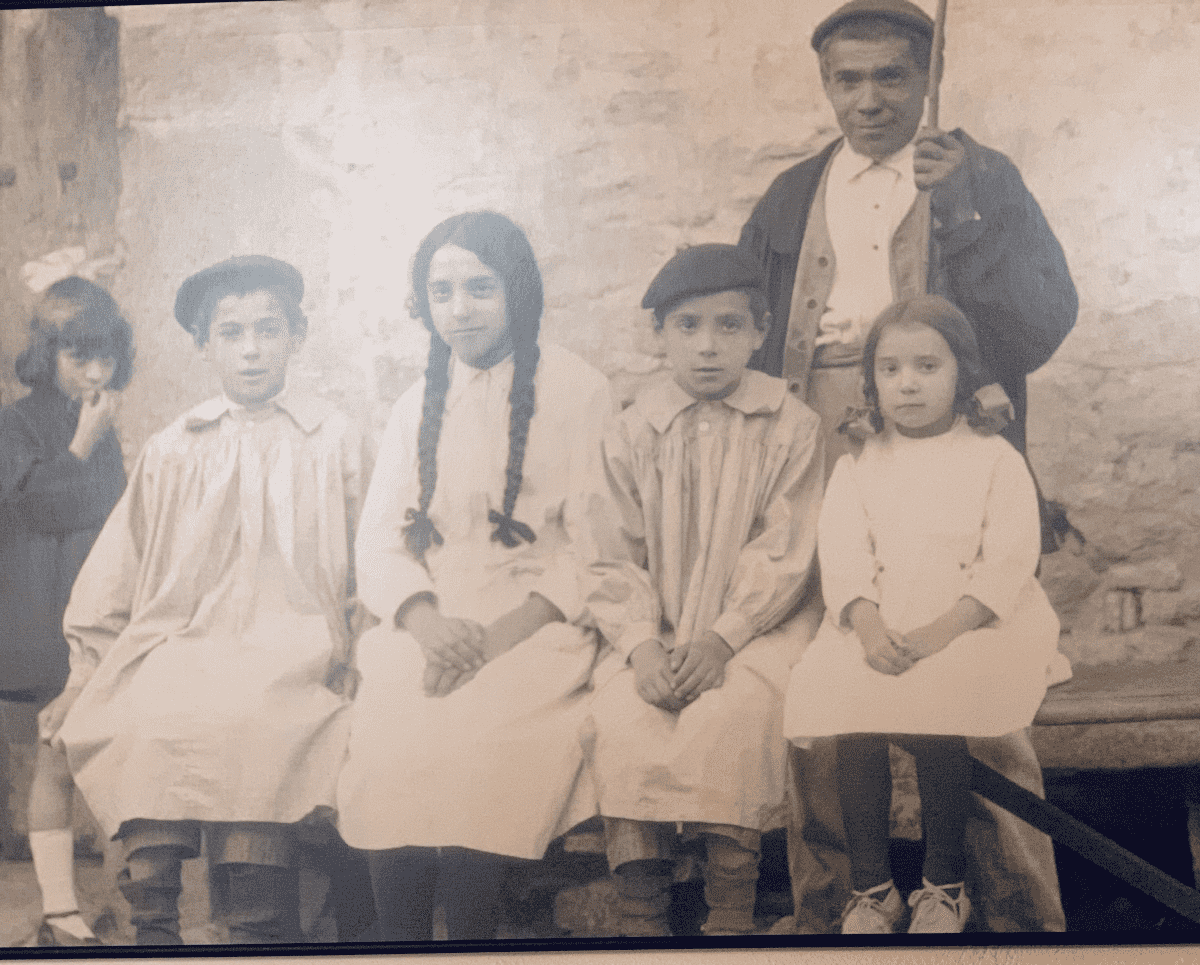
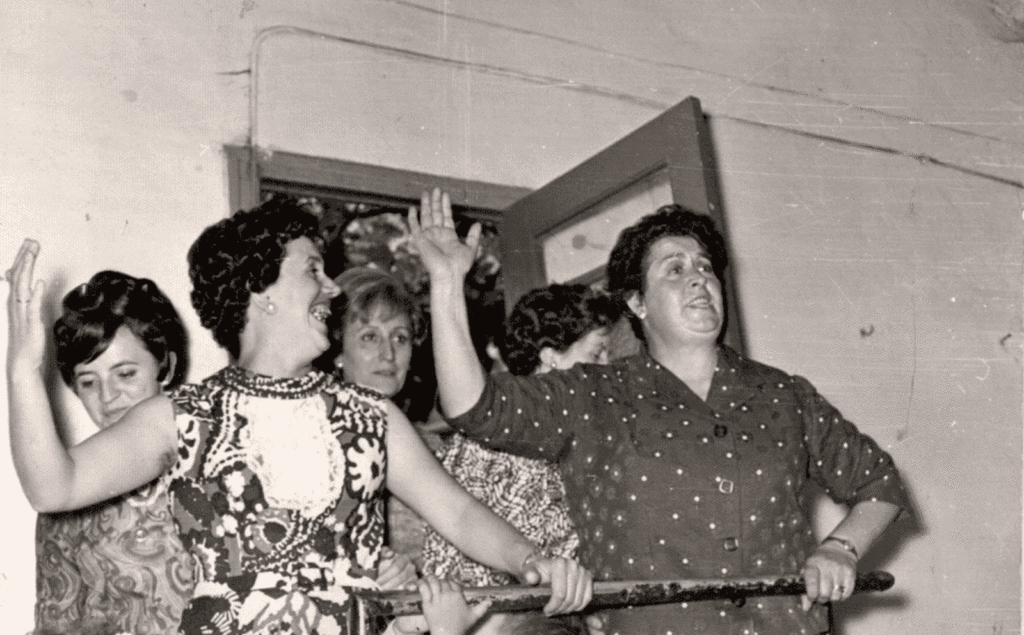
Photo provided by the Ethnographic Museum of Artziniega
Cod was the king of fish, because it could be bought salted and would last for months waiting for an opportunity to desalinate it and put it in the pot.
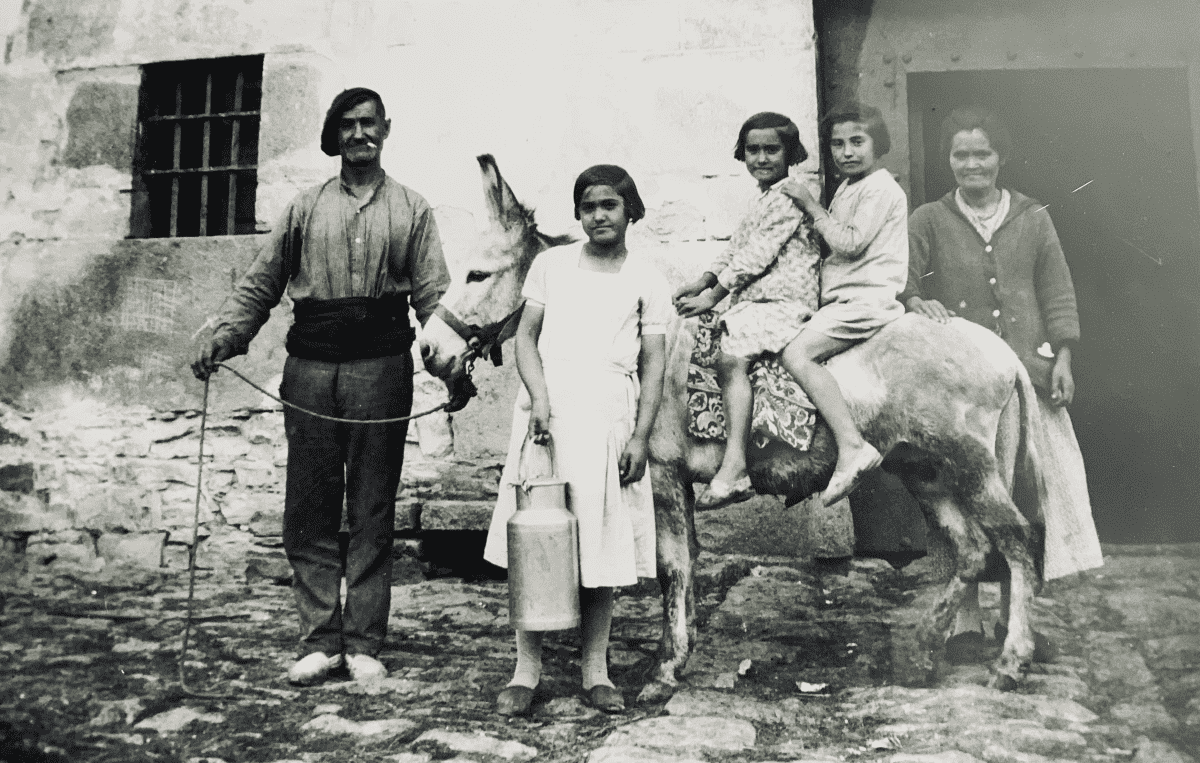
“You’d take a little wheat to Balmaseda and bring back some mackerel,” and once a week a fishmonger from Santurce would come to Artziniega with sardines for sale. Since Vicente was a butcher, there was never a shortage of meat at Esther’s house, and even so, if there was a First Communion, they’d slaughter a month-old donkey that tasted like tender veal.
Wet nurse
Her third daughter was born at the same time as a neighbor’s twins. Esther had plenty of milk, while Cora didn’t have enough. And so, she would go to her house every two hours; “one breast for mine and the other for them.”
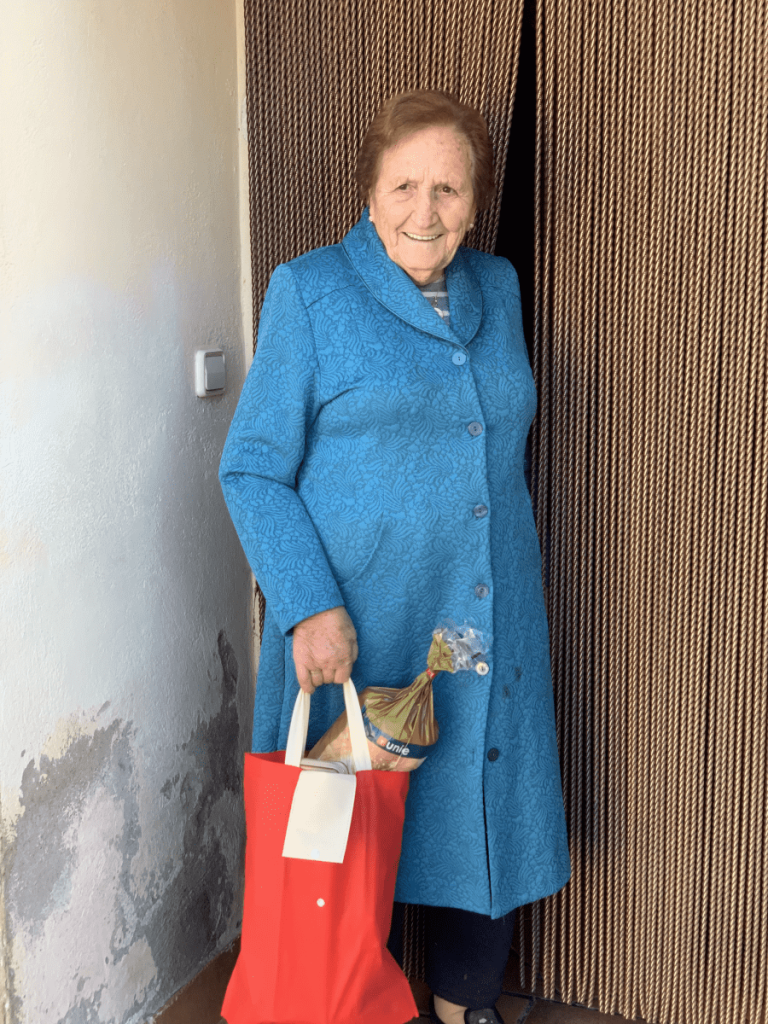
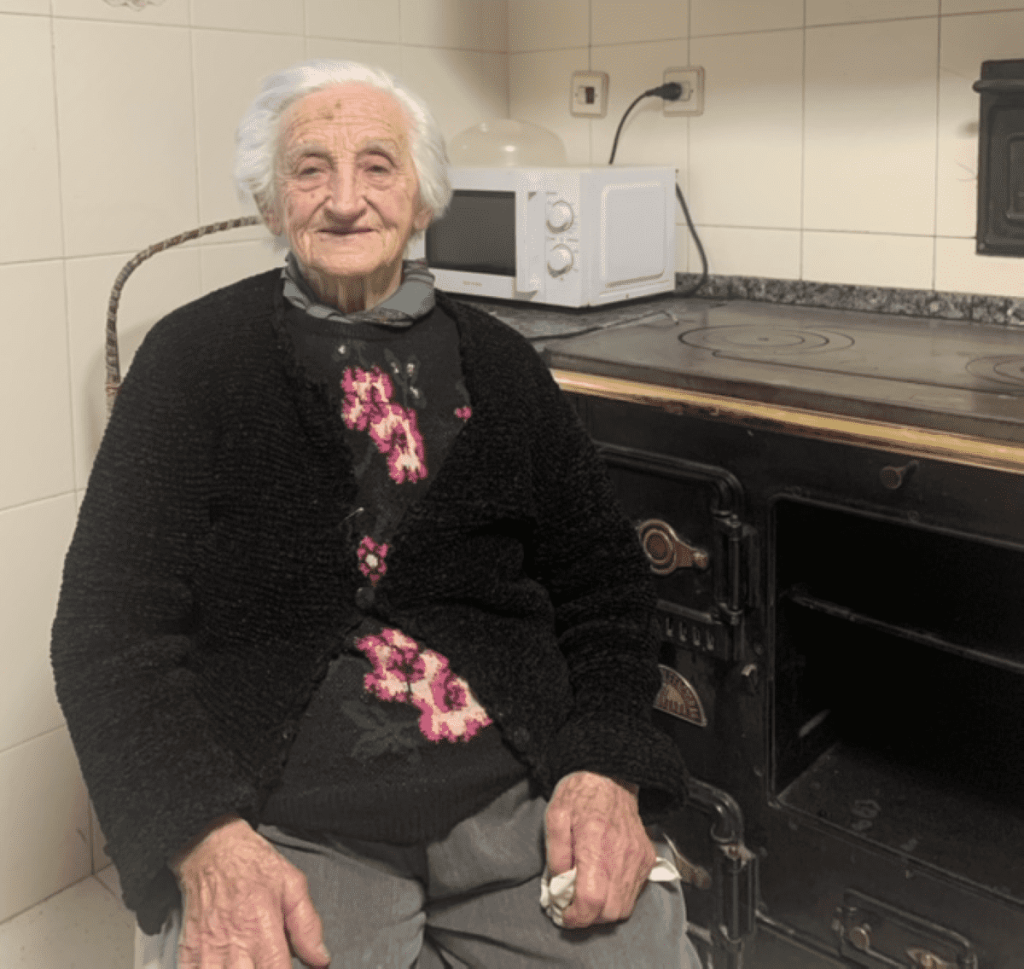
Esther Cirión Vela was born in the spring of 1932 in the Burgos village of Arza, a rural area. Just six kilometers separated her from the center of Artziniega, a distance she traveled at the age of 23 to marry and settle there. The wedding took place in Retes de Tudela at eight in the morning.
There, the judge, a sister-in-law who was the godmother, Uncle Valeriano, and his parents gathered. That same day, as they were going down, “Mari, from the inn, was coming up to marry Urrutia.”
They had hot chocolate and a cake that the bride and her godmother had baked. The dress, black as was the custom, was beautiful and sparkly, made by a cousin who had a real knack for sewing.

The trousers were not for them
“I’ve only worn trousers for a few years.”
Always wearing skirts, percale skirts, some floral and others plain. That’s how women dressed in the old days, often in black to observe mourning, which was not uncommon.
They even went to the mountains in skirts to collect firewood or chestnuts before taking their children to school early in the morning.
And on their feet, espadrilles. Everything was done on foot; for the village festivals, “you’d arrive in espadrilles and then put on your shoes to dance.”
Jotas and pasodobles at the fronton

Sunday afternoons were for dancing. Tonín’s accordion would play, his blindness having given him the gift of hearing, and Esther would make sure the children were asleep before going to dance in the covered area behind the pelota court, which was later extended and named “The Accordionist.”
A special day was Saint Mark’s Day, when the dance of the single men and women was celebrated, and you had the opportunity to dance with whomever you wanted.
Then Lázaro the constable would appear with a stick “to separate you if you got too close.”
And for Saint Matthew’s Day, everyone went to the Encina meadow. Cattle farmers from Galicia and Asturias arrived with their oxen and cattle to show them off.
These were days of fairs and festivities.
Shops and a bit of nightlife
There was plenty to choose from for shopping: Pedro Aguinaga’s shop, Escoli’s bar and shop, where Esther worked for eight years as a shop assistant, Ángeles Pérez’s grocery store, María Jesús’s clothing store, Paredes’s bakery… And places to go for a Marie Brizard, “which we ordered for two and only on Sundays,” like at Manolo’s bar.
“Virgin of the Oak, save me”

On September 8, 1954, to celebrate the Coronation of the Virgin of La Encina, countless events took place, and flowers were showered from small planes before a large crowd gathered for the occasion. Since time immemorial, a significant fair has been held around the Sanctuary of La Encina.
Nowadays, the main day has become the second Saturday of the patron saint festivities in September, when the town gathers in the Encina meadow for a meal. Afterwards, they march down in a fanfare and parade through the historic center asking for water, which is poured from the balconies.
Like family

About two thousand people live here year-round, but when summer arrives the population increases considerably.
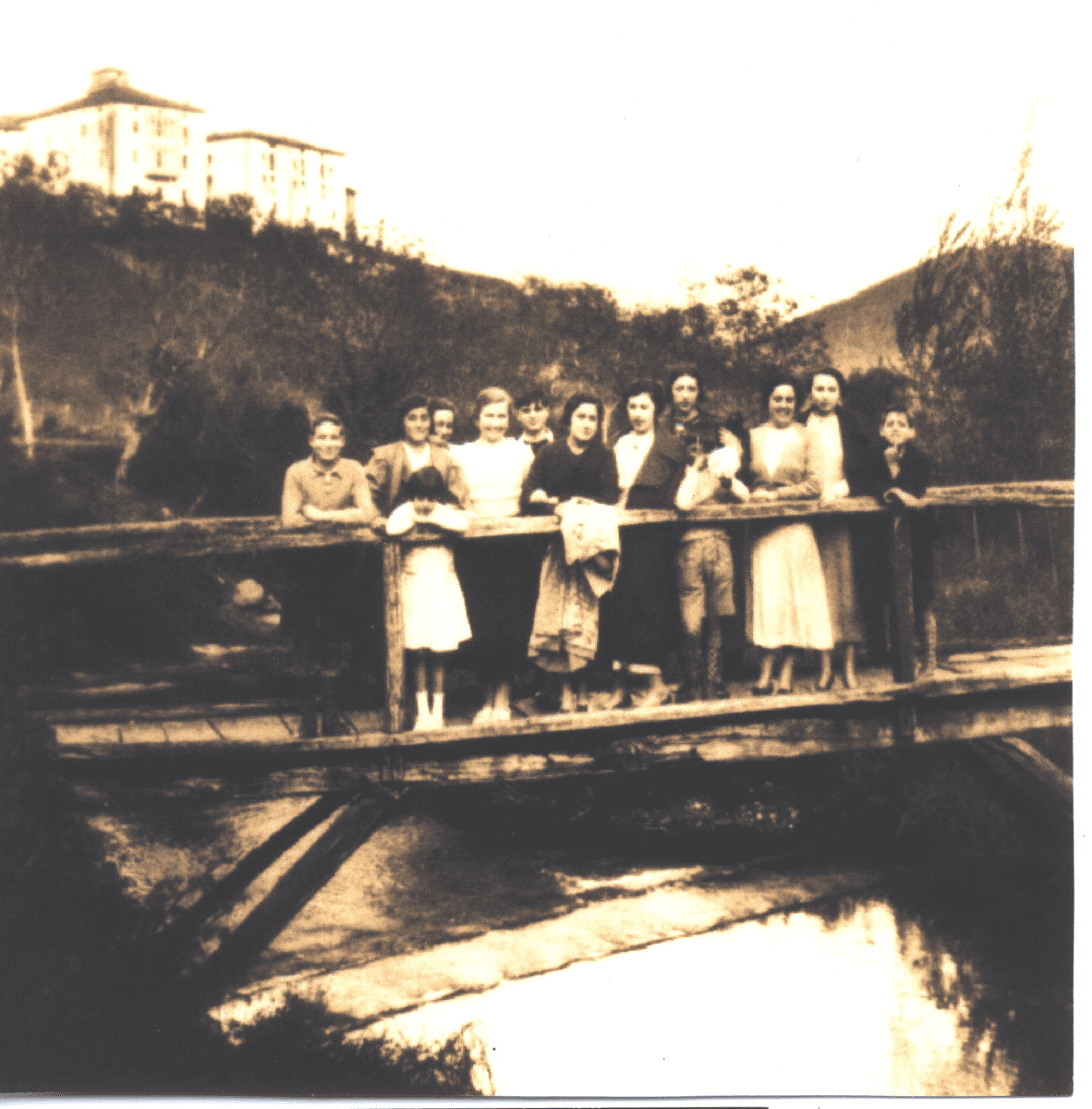
There was a time -1753- when only 67 people lived within the walls, but when Esther was born there were already about 800 and no less than five schools, three in the urban center and the schools of Retes de Tudela and Campijo.
“In my day, we knew each other from birth, and we talked.” Now it’s a bit different, and social life revolves around reviving the Friday pintxo pote (a Basque tradition of enjoying a drink and a snack) and participating in the many socio-cultural activities that are scheduled: theatrical tours, markets, talks, etc.
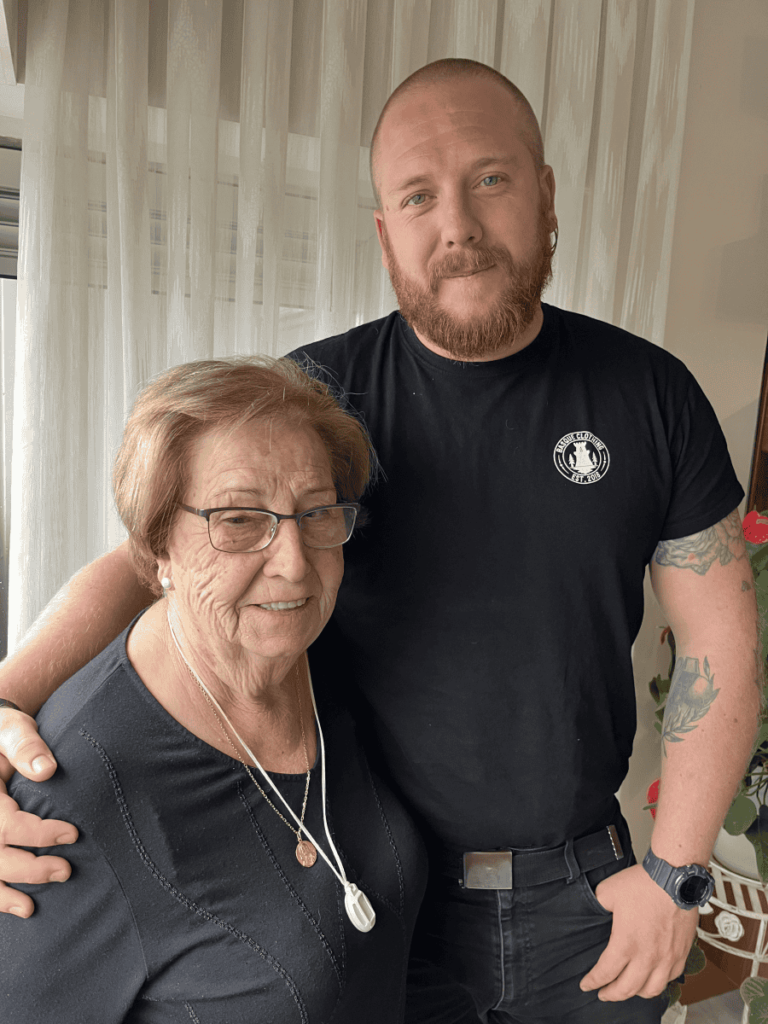
Alberto Martínez, known as Tito, Esther’s grandson, is navigating the new ways of life in Artziniega, yet his writing delves into the town’s past. He possesses a deep knowledge of his town’s history, which he shares on his blog, https://arseniega.wordpress.com.