
Little Women at Thirteen
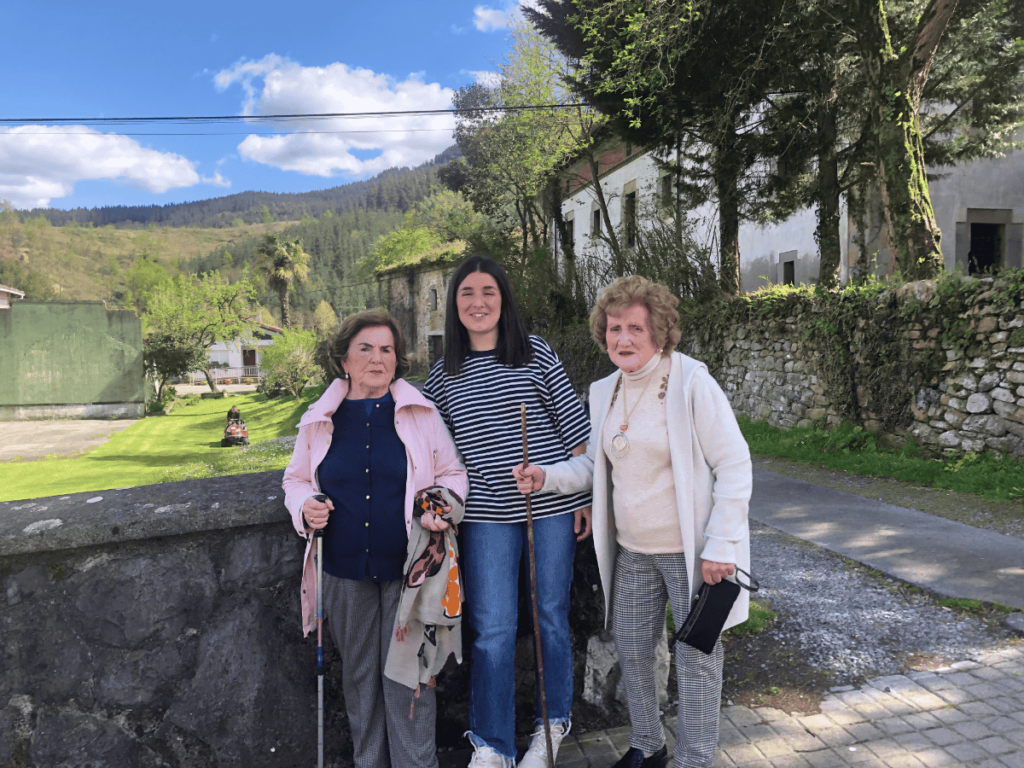
Margari Jauregi was born in one of those old farmhouses in Aldaiturriaga, around 1937, with war looming. “Back then, if you turned on the light in the stable, the light in the living room would automatically turn off, and that’s how we lived,” she recalls, among her many memories of that other era.
There were seven of them in total, and since their mother died young, when Margari was only twelve years old, the five girls took turns managing the household, and as the eldest got married, the next one would take over the reins of the farmhouse while the father worked as a bricklayer, in addition to the fields.

Her two brothers were able to study, while the girls, at most, could only learn to sew.
Life wasn’t easy, but they never went hungry. The farmhouse provided them with food that was difficult to find in more urban areas.
However, everything that wasn’t essential was discarded. “We learned a lot from that experience, and today we have plenty of resources to live with less.”

Without stepping into a bar
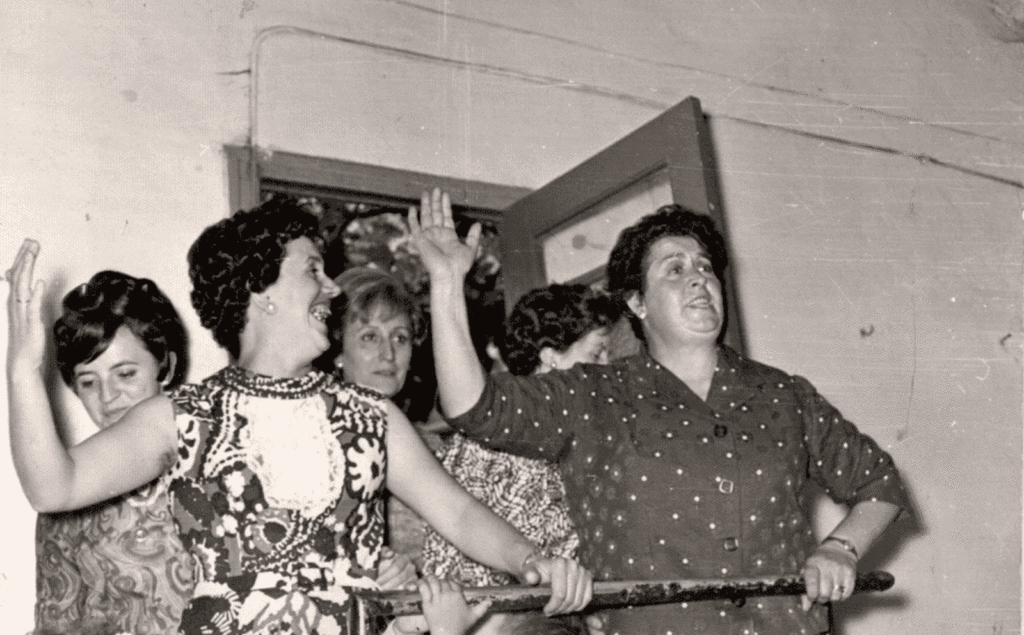
Even though they were “living frugally,” they still found time for leisure and the occasional treat. Sometimes they went to the film screenings at La Catequesis, and the party they attended was always a dance.
In the summer there were ‘comedies,’ which were simply four comedians in the town square making everyone laugh. But they were young, and even in the afternoons they enjoyed the company of the other apprentices while sewing. Today she still feels close to her friends, and when she runs into them on the street she’s thrilled.

She fondly remembers the jotas that blared from the loudspeakers, the boys paying a real to join the dancing while the girls paid nothing, and Posadas, the txistulari (Basque flute player) who made them dance and dance until they were exhausted. That was Margari’s youth, and that of so many other women from Amurrio, who didn’t set foot in a bar until they had a serious boyfriend and never went beyond coffee with milk.
From locks to washing machines
I’d known Tomás Arberas my whole life, from our village, and when they got married in the early 1960s, he was already running a hardware store with his brother Felipe. “I got married when I was 23 because he didn’t have parents and we had to make arrangements beforehand. Everything worked out fine. In my day, things worked out; we didn’t separate so easily.”
In its early days, the hardware store sold little more than locks. “The custom of locking houses with a simple stick was beginning to change.” Soon, the two partners went their separate ways, and Tomás and Margari set up their own business in the town center. Sales took off in that first shop of their own.
Amurrio had never been primarily an industrial town, but some major companies (Tubacex, Tubos Reunidos, etc.) began to arrive, and everything evolved naturally. People started installing heating in their homes, washing machines and other appliances became available, and installations for butane gas, water, and other utilities were needed. This created a lot of work but also generated income and ensured the hardware store’s success.
Life taught me

Margari stopped working at 65, when she retired, but she still enjoys stopping by the shop and spending some time there with her customers. That’s been her life, and although she didn’t have the opportunity to study, she learned how to write invoices and even the measurements for plumbing and screws, which are quite numerous.
They witnessed the arrival of large companies in Amurrio, and the evolution of the houses and the people: “there were no stoves, pressure cookers or refrigerators.”
Life had always been different, and suddenly there was work and women were also starting to participate in working life, even after getting married and becoming mothers, something that “before, when you got married, you had to leave your job or you were simply fired.”
“That’s what freedom is: if you earn your own money you don’t have to put up with a bad husband; before, there was no other option but to put up with it.”

With the companies came new neighbors to the town, more people to settle here, to live and have their families here.
The evolution was general and Amurrio changed definitively, leaving behind the life of yesteryear, “when people lived mainly from the countryside, which is very hard.”
“I already have a bed”

Her life has been spent behind the counter of the hardware store, grateful for the good clientele she has always had, raising her children and later enjoying her grandchildren.
He has never felt the desire to go on vacation anywhere, because he has everything here: family, friends and, as Tomás said, also a good bed.
“People work themselves to the bone only to spend it all on a week’s vacation or weekend getaways, only to come back and have nothing.”
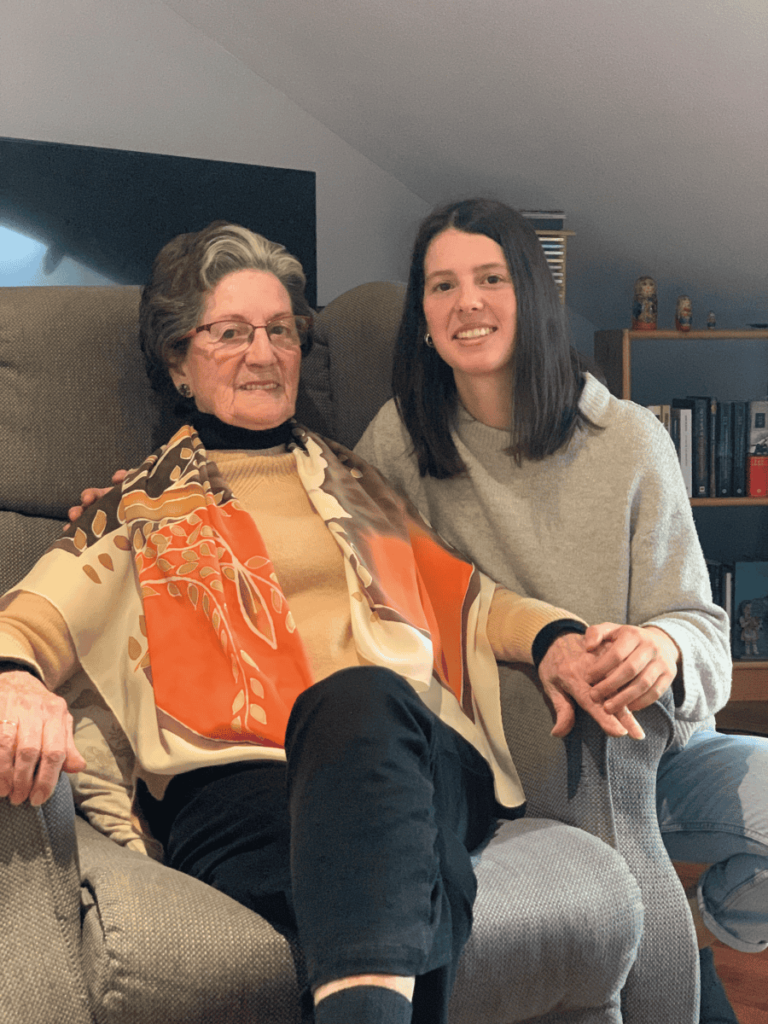
His granddaughter, Amaia, is eager to take those days off and escape somewhere. Life has changed a lot, even in this town in Amurrio.

Margari remembers when the hardware store never closed, not even on Sundays, because people used to shop there after mass. Today, the hours are different, easier to combine with leisure time, and life is lived differently.
The clientele has also changed, “I think for the better, because before there were many people who had to pay in installments.”
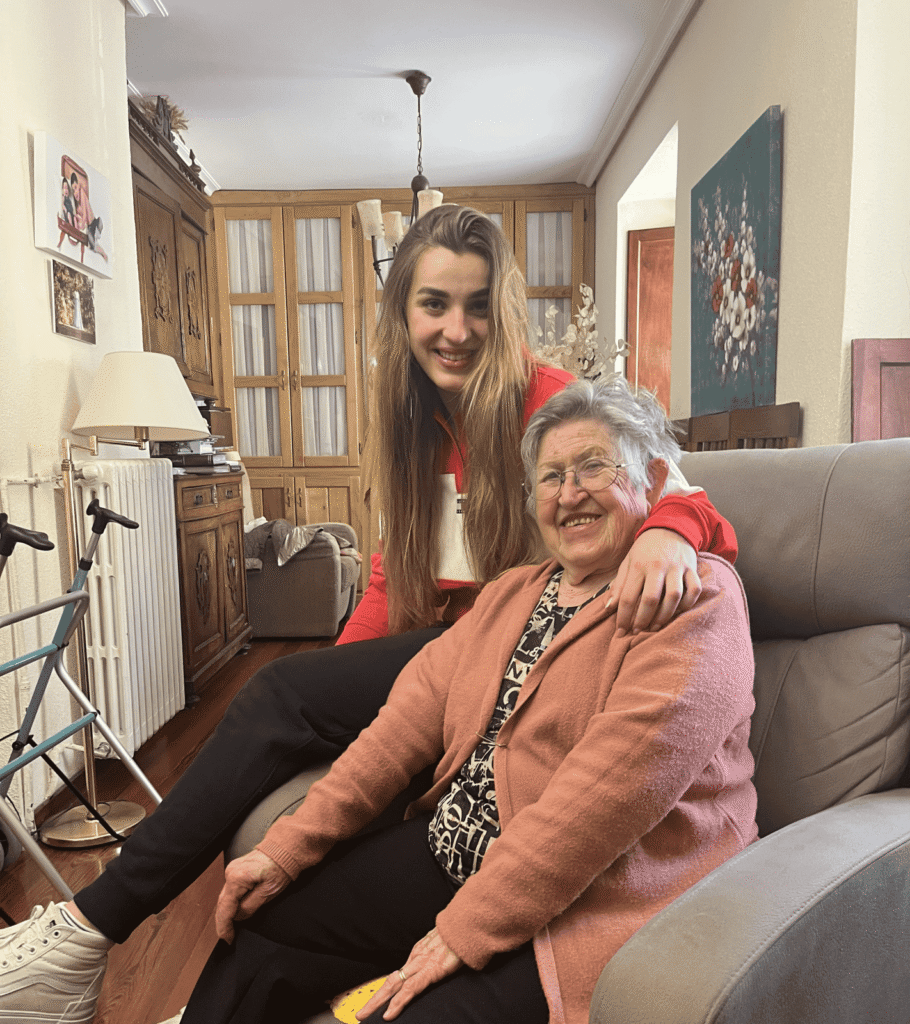
The important thing is that these two women, grandmother and granddaughter, always find everything they need to live in their own town.
Amaia, who has never been interested in being behind the counter, works remotely for a company in Bilbao and does not feel the need to leave Amurrio for anything other than a holiday.
Like Margari, she has her friends and family here, services that make life much easier, and a particularly natural environment without being rural. A real luxury these days.