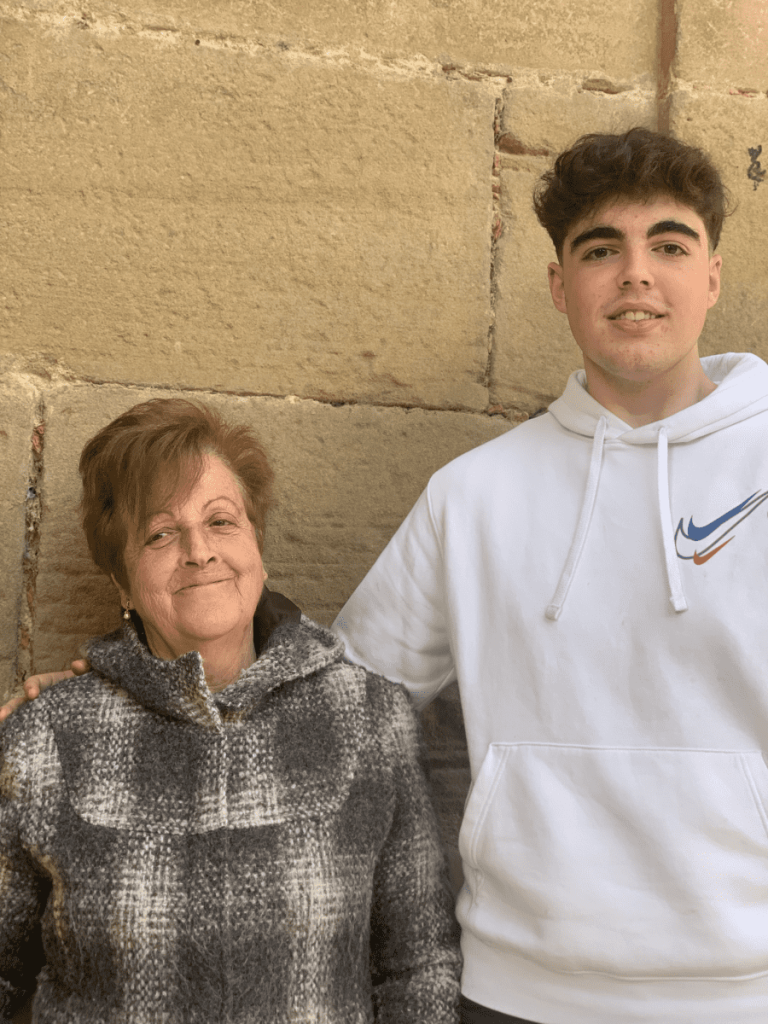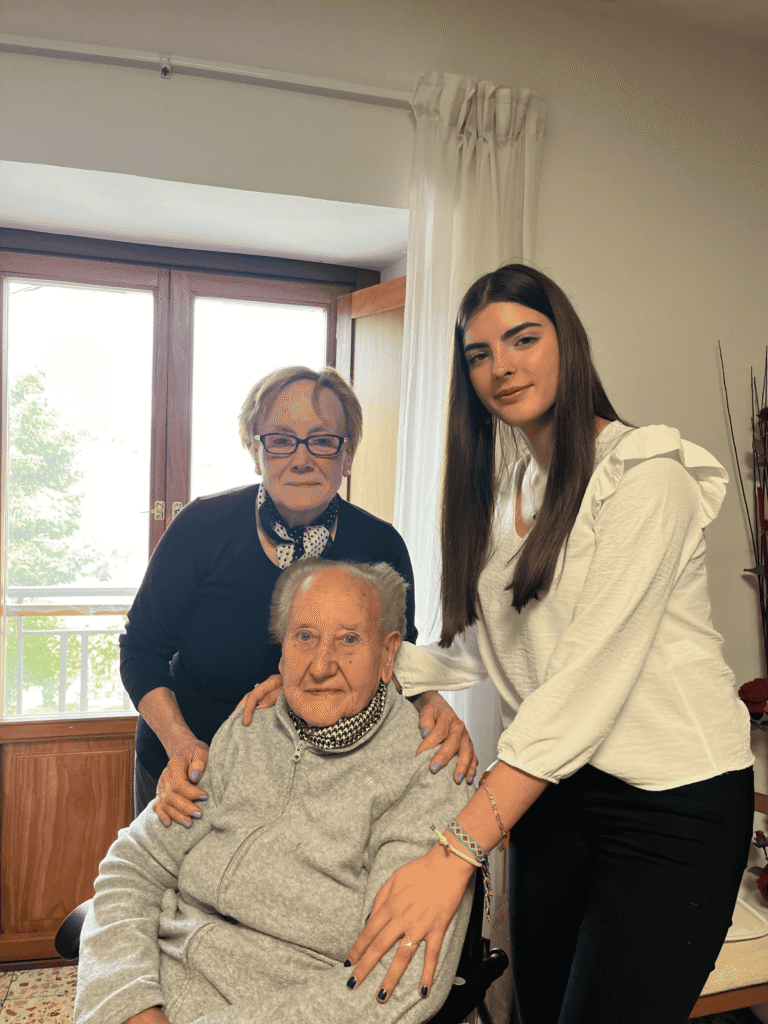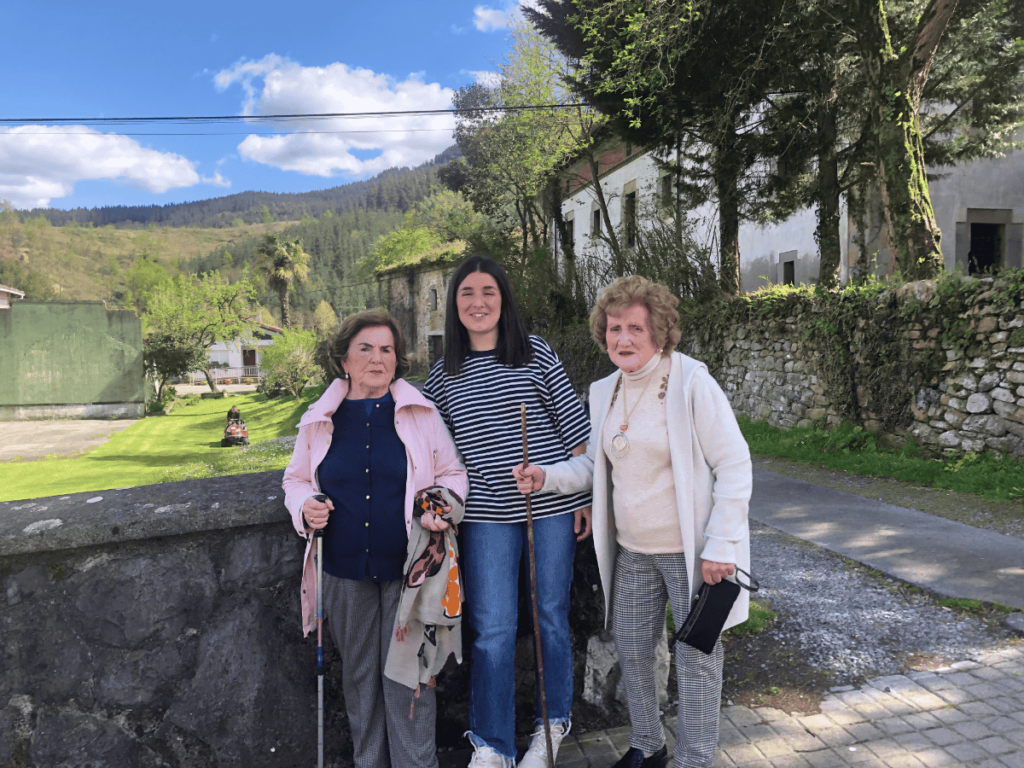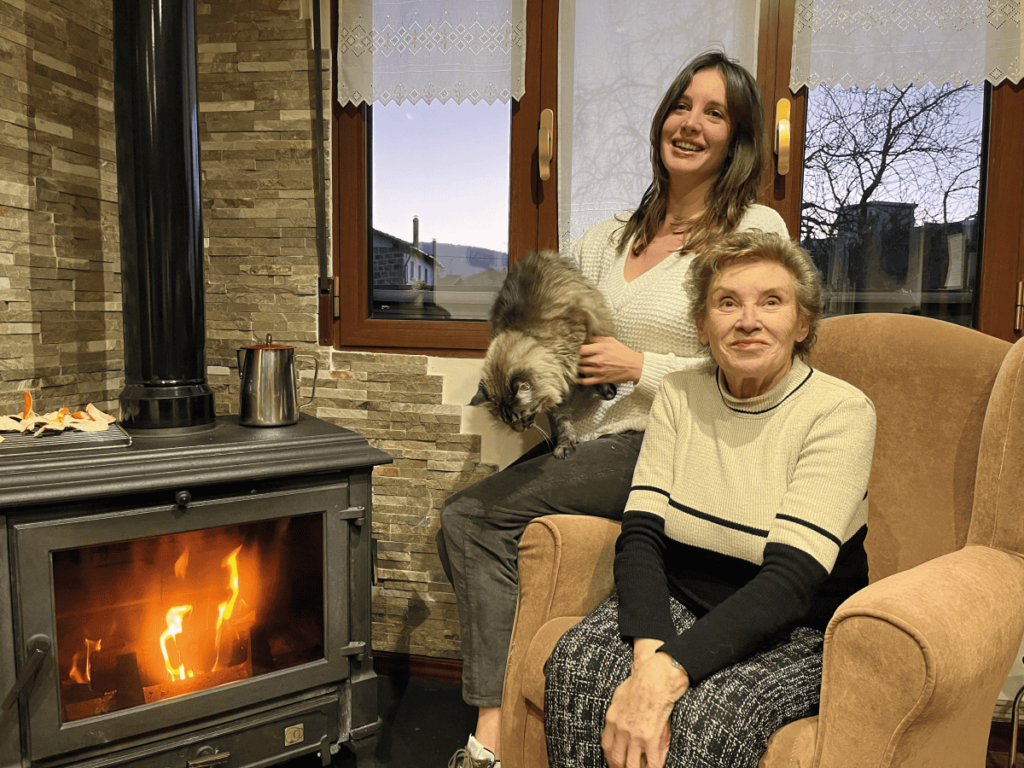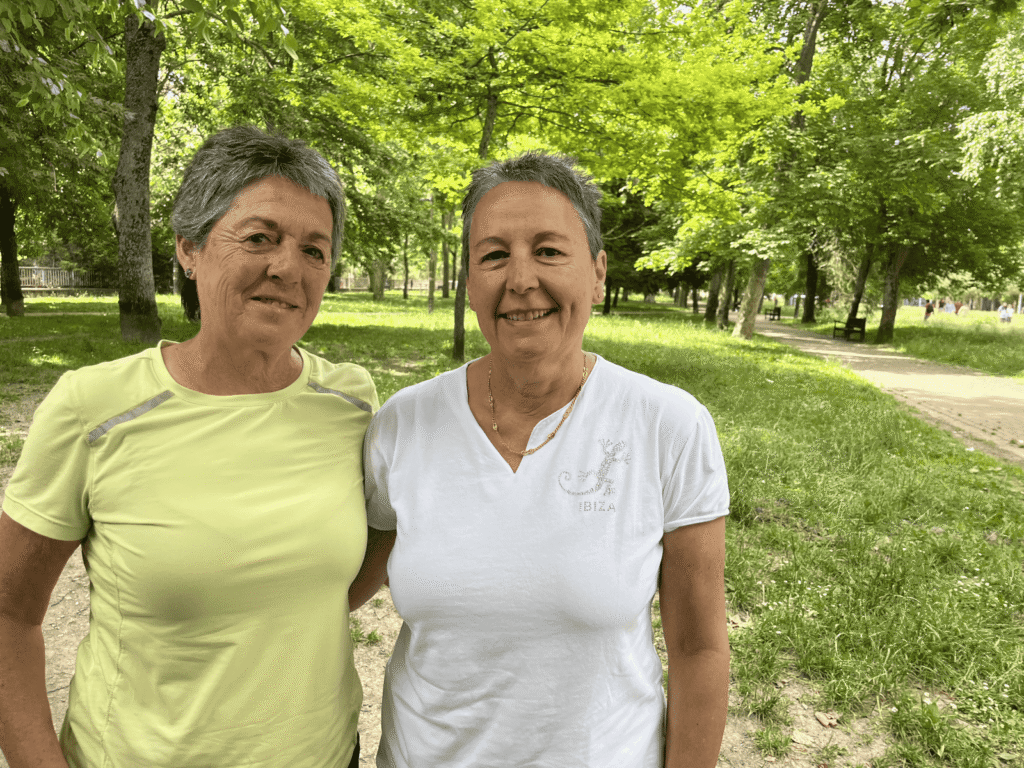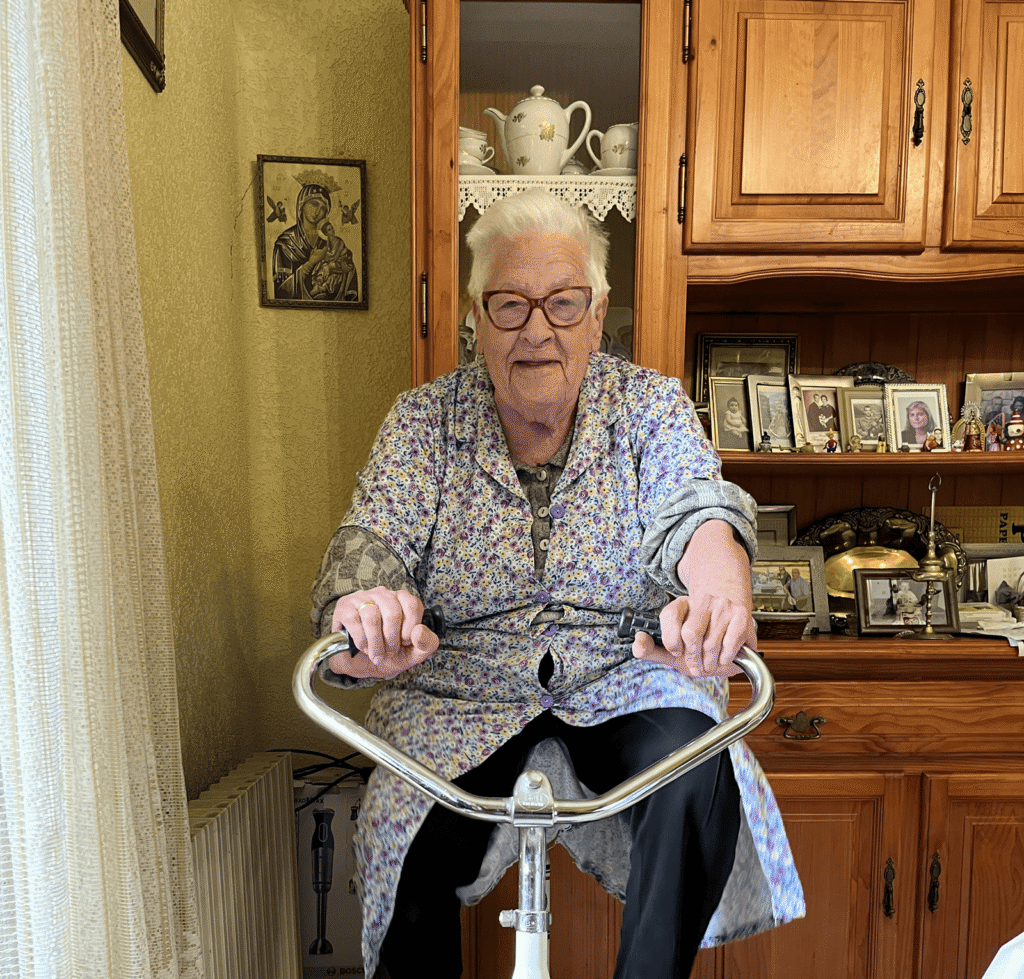
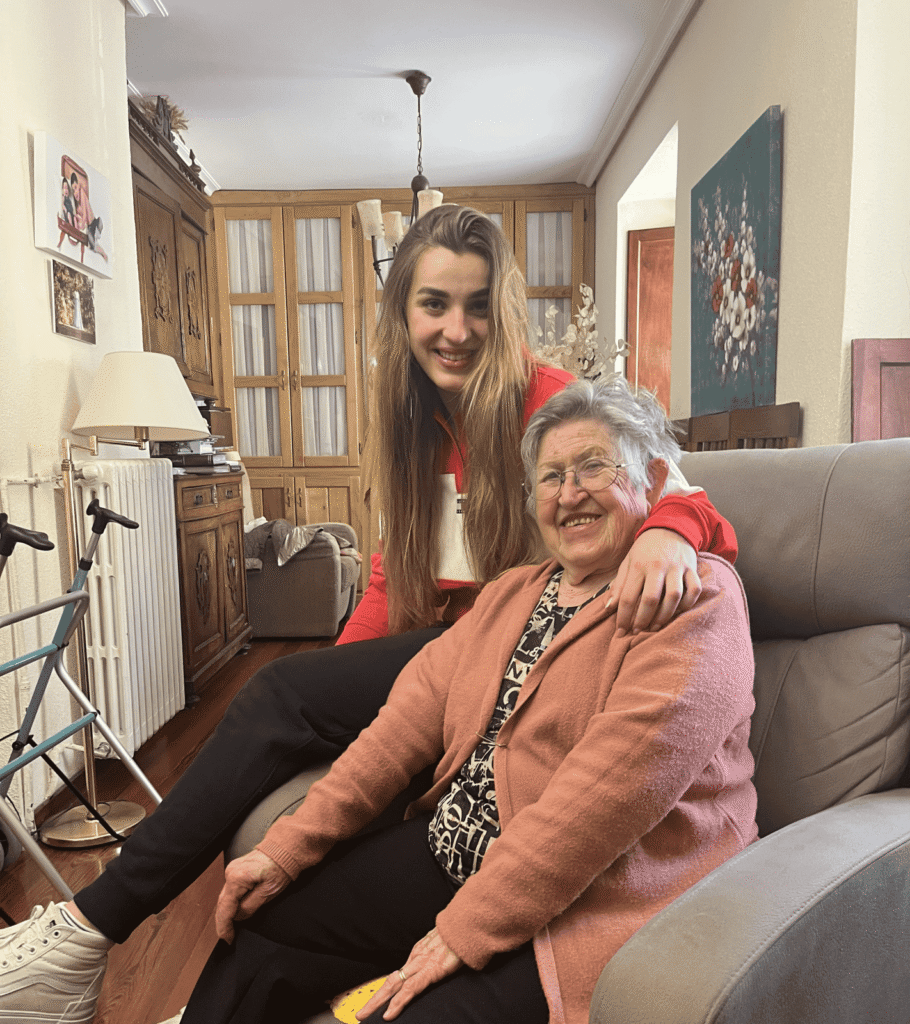

Regina, Luci’s daughter, runs the shop today.
A village shop is a magical place. It holds hidden among the greatest treasures used daily by neighboring households. It’s also called the “grocery store”; a not-so-small place where, in the back room, you can find food and farming tools, among many other necessities.

What is a small town, like ours, without its shop, where life unfolds within its walls almost as intensely as outside them? That daily shopping trip, which invites greetings and brief conversations, allows people to recognize each other as neighbors, as part of a community, an environment, and a way of understanding and doing things that unites them beyond the item they’ve come to buy.
Everything, all the time
Luci Santos’s shop in Elciego doesn’t have a proper back room; it’s accessed through the entrance hall leading up to her apartment. Her brother-in-law installed shelves in that same entrance hall to display Christmas gifts, freeing up space in the living room.
There used to be as many as three shops on this street, but now only hers remains open. “People used to spend money in the village; now they bring even a liter of milk from Logroño,” Luci remarks, knowing there’s no going back.
Before, when she worked, it was expensive and difficult to get to the city, even though the distance is the same as today, barely 20 kilometers across vineyards. However, now there are many cars and buses, at all hours, connecting them, and unless you work in the wine or restaurant industry, Elciego offers few alternatives to its young residents.
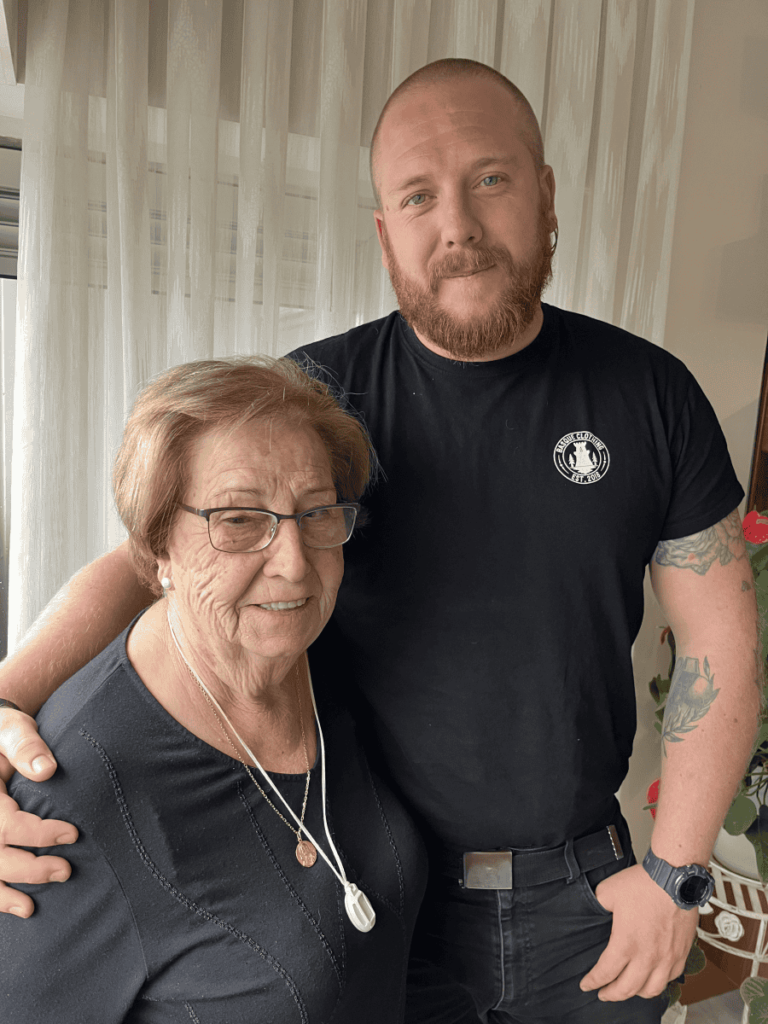
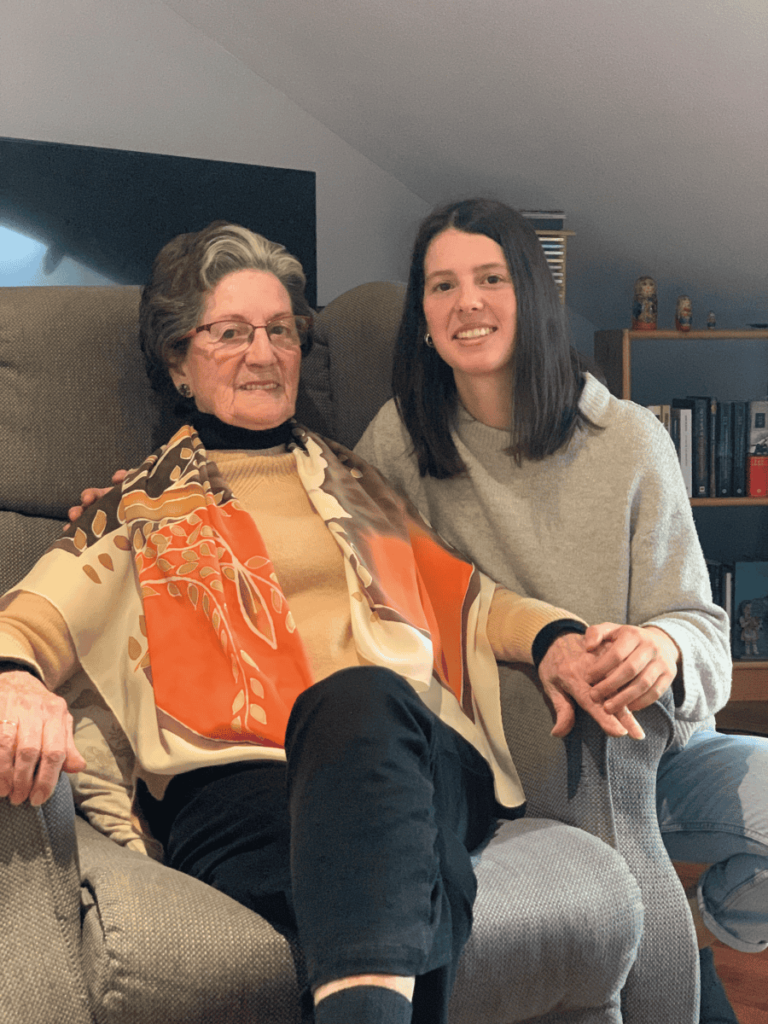
Enar, Luci’s granddaughter, is clear about it. At 25, she’s the only one of the group still living here, and although she likes it and will never lose touch, she knows she has to leave. “I was born into the village’s decline, but my mother and grandmother lived a different life; there was more activity.”
Blessed Sundays
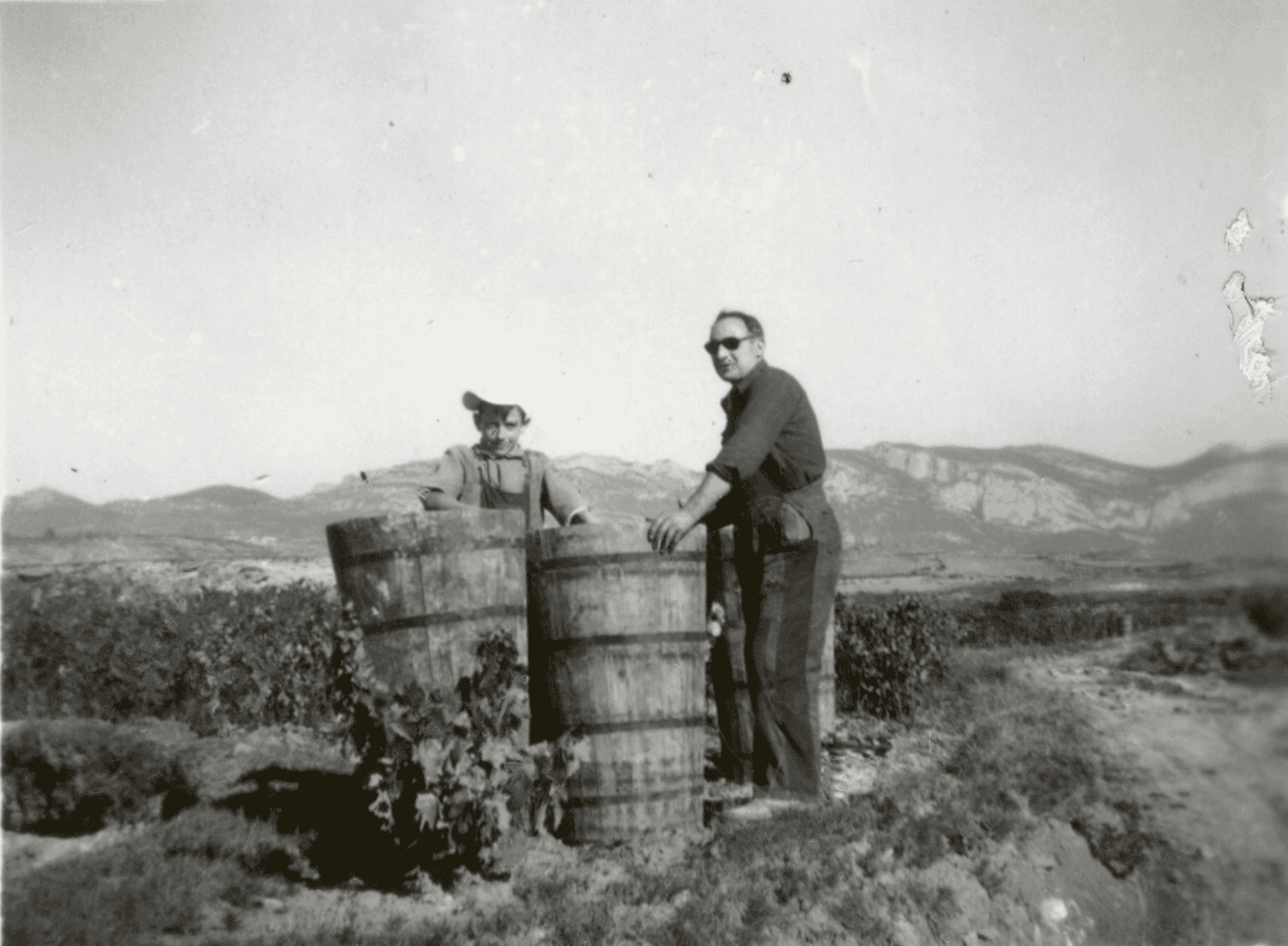
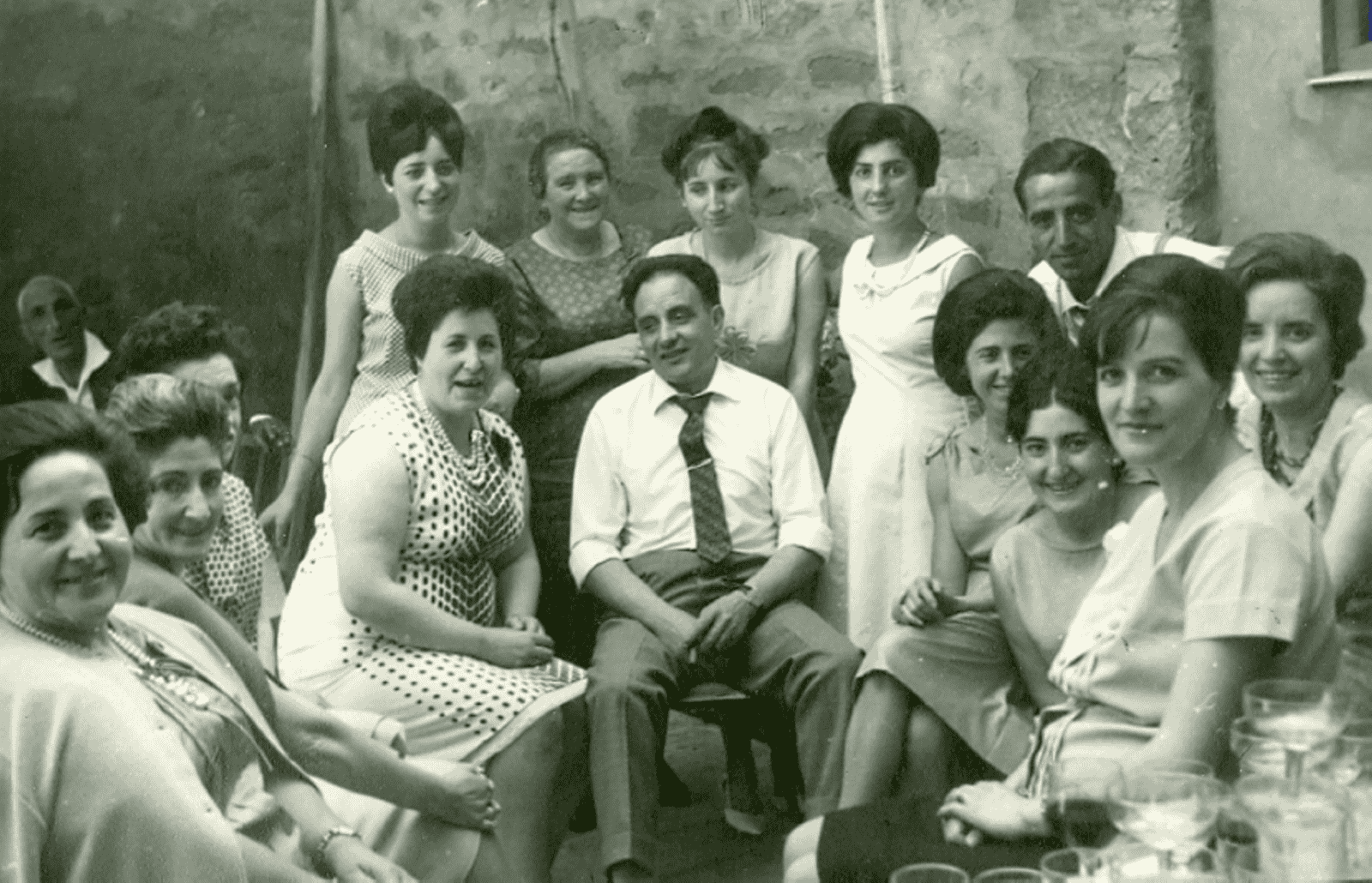
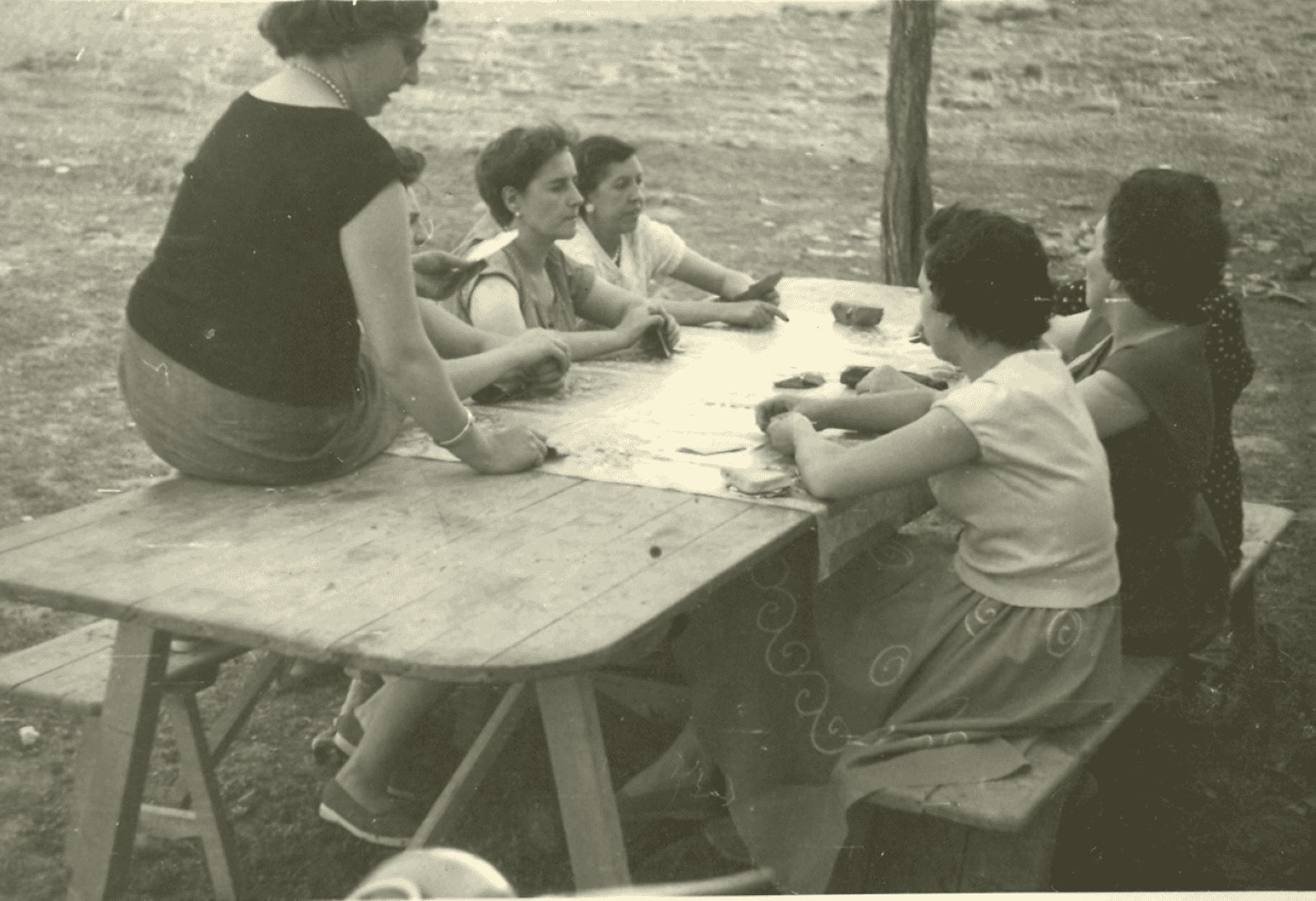
Her grandfather, Simeon, Luci’s husband, owned a winery next to Riscal’s: Viñadores Artesanos, and he personally handled the distribution of his own production. He spent his days there, and on Saturdays and Sundays, he and his friends would have lively get-togethers in the picnic area he had set up for that purpose.
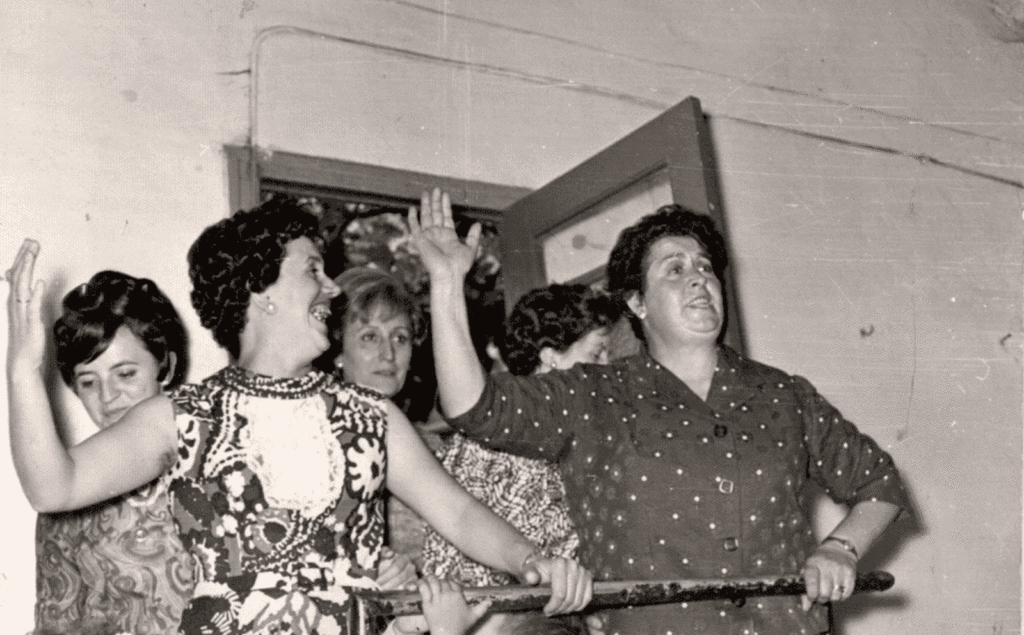
Those were fun times, and Luci was part of them too, even though the shop never closed, not even on holidays. It took a mayor, a certain Salamero, who forced them to close on Sundays, “and that was a lifesaver.” They sold food, haberdashery, household goods, clothing, accessories, toys… and when it wasn’t a customer, it was a traveling salesman, but the door was always in use. Or the doorbell would ring, and they’d have to take the food off the stove to go downstairs to serve the customer, even if it wasn’t the right time.

Bathing together is prohibited
The Ebro River flows through these wine-growing lands, but its waters, as they pass through Elciego, aren’t exactly conducive to splashing around. “There were pools, or whirlpools,” Luci recalls. Perhaps for that reason, or for other reasons, the swimming pools in Elciego were among the first to be built in Rioja Alavesa.
Luci says it was General Gallarza’s doing, “who did many things for the town, like giving jobs to those who were going into military service, or ordering the construction of cheap houses, which were then the new houses.”
Back then, at the swimming pools, the girls went in at one time and the boys at another, because swimming together was forbidden. It was there that Luci learned to swim, little by little and with the help of some young women.
Everyone with a vineyard
Almost everyone had a vineyard or a small winery, and that was the lifeblood of the village. And when a heavy hailstorm hit and ruined the harvest or a frost scorched the fields, it was immediately clear who would suffer the loss for the rest of the year. There were hard times, because the land always has its lean years, and then came the practice of extending credit to those who needed it, “sometimes for months. But what else could you do if they had lost everything?” Luci recalls.
Today, Regina, his daughter, maintains a small part of all that. The intensity of life is different in these places, which can be dreamlike, but which inevitably carry risks.

Always them
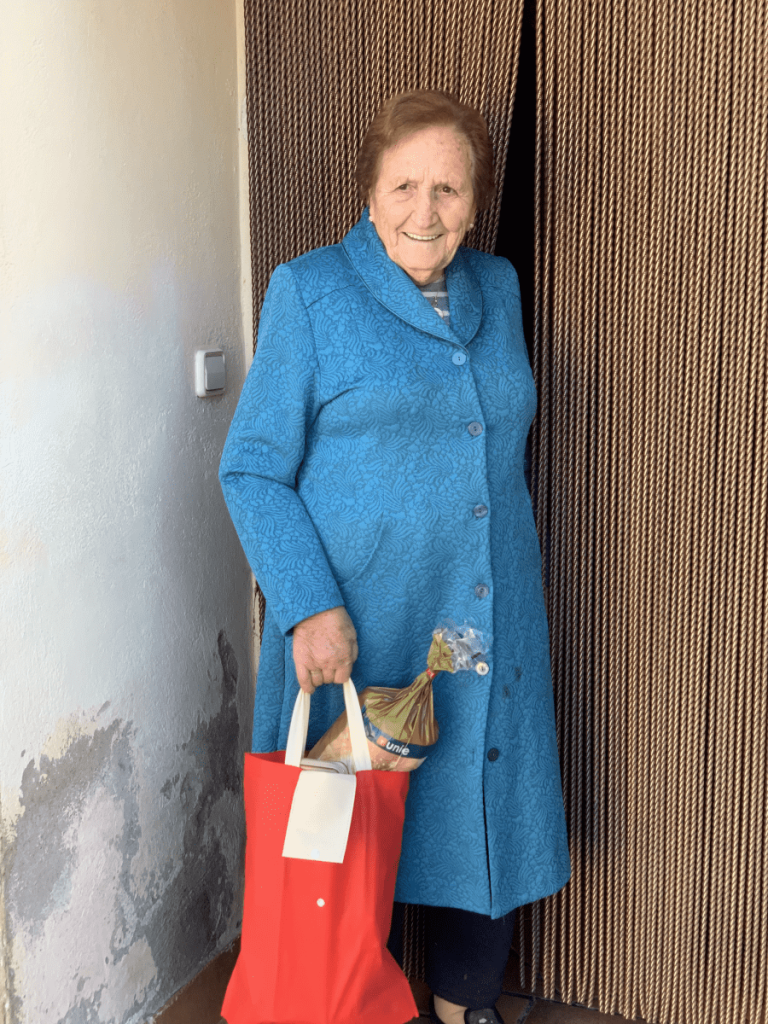
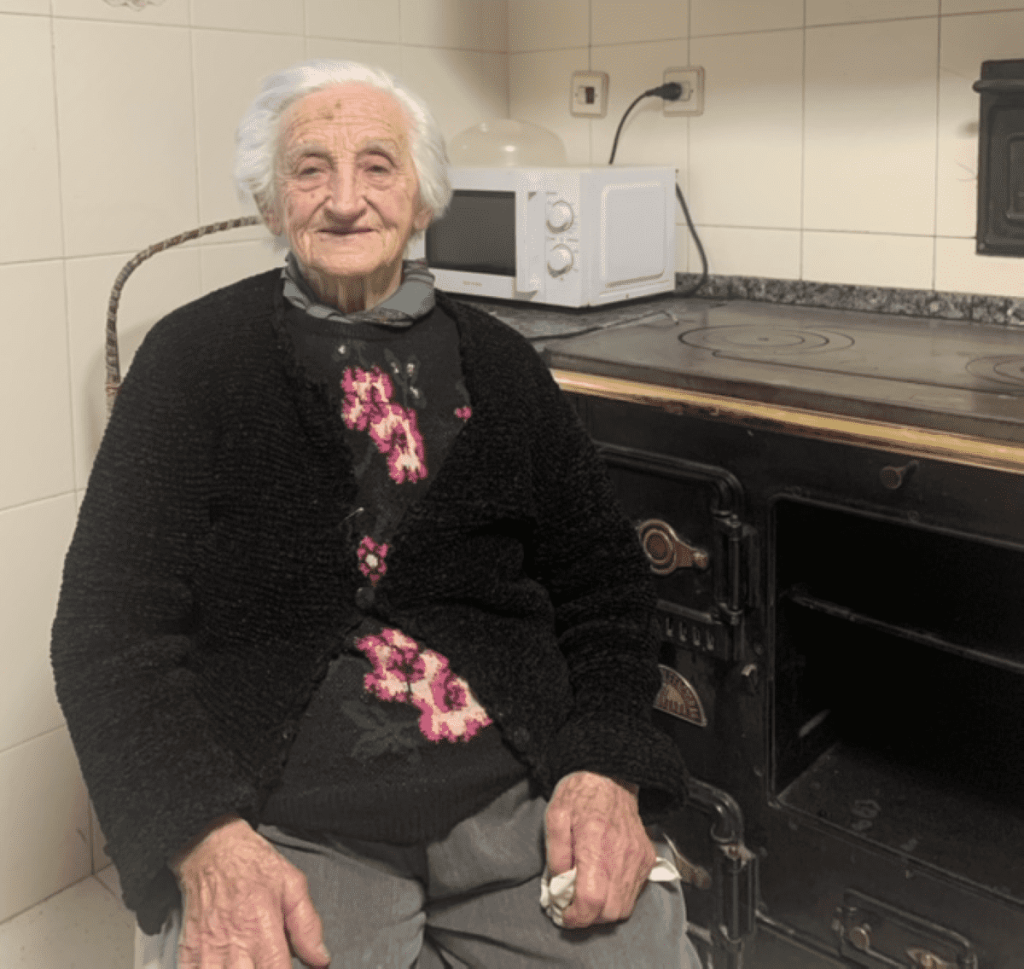
The shop, traditionally owned by a man, has always been run by women. But to enjoy time with the people you love, you also have to make time for it. And Luci has always been one to enjoy life. Currently, Regina, Luci’s daughter, runs the shop, but Luci, at 88, still stops by almost every day and until very recently was still giving orders or correcting things she didn’t like. A true character!