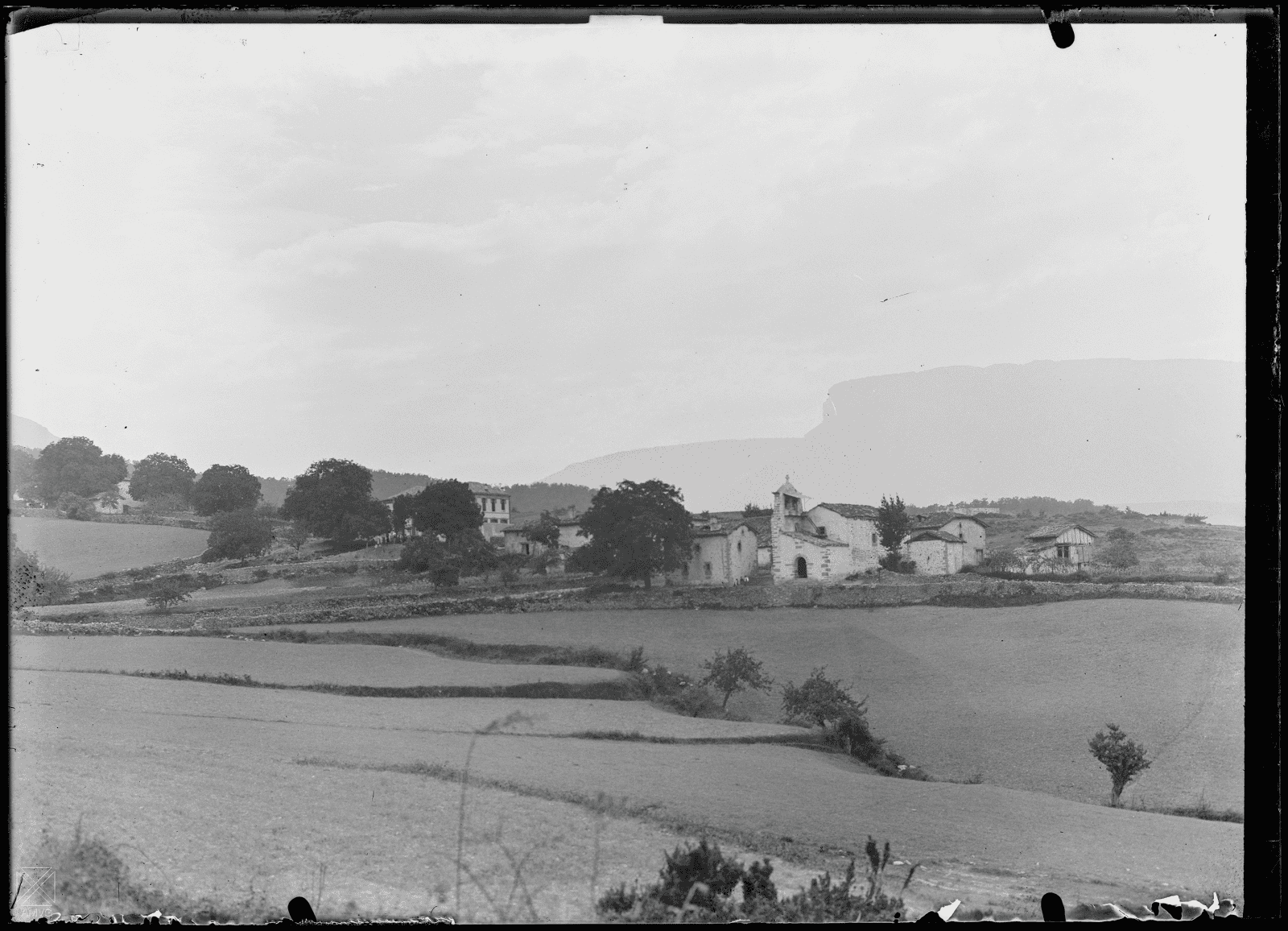
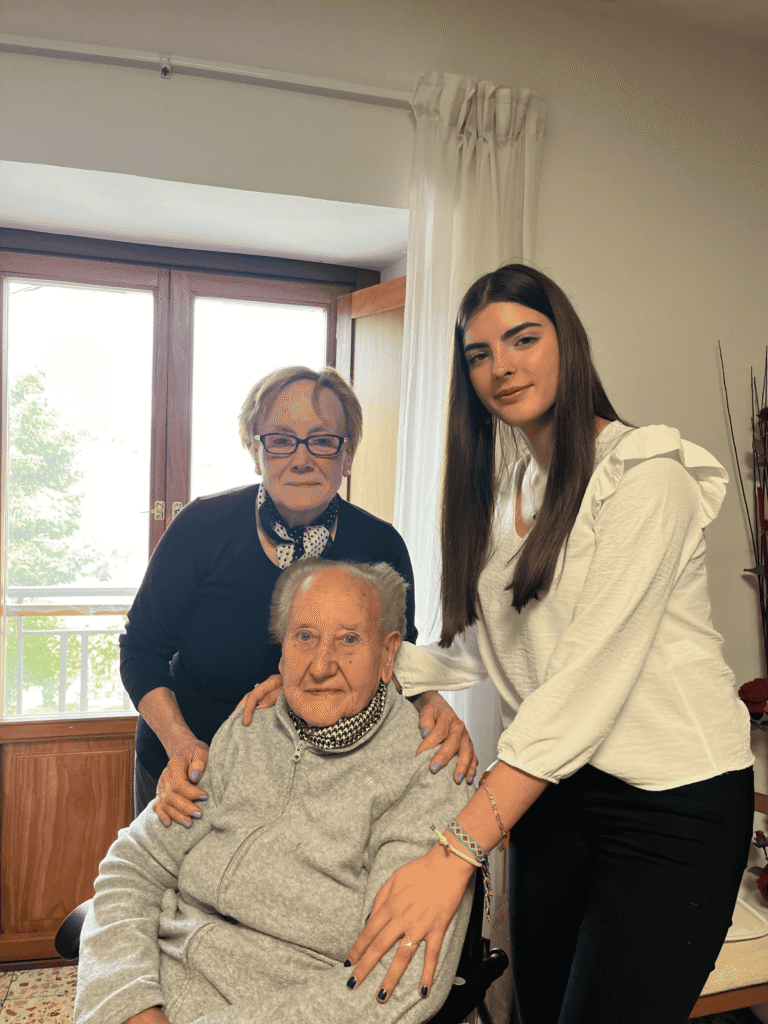
Julia, or Juli as she is known to those who know her, grew up in a hamlet in Mimenza, a neighborhood of Llanteno, one of the most emblematic towns in Ayala, near Artziniega and home to some of the most important and significant tower houses, such as the Zubiete tower or the Ureta tower.
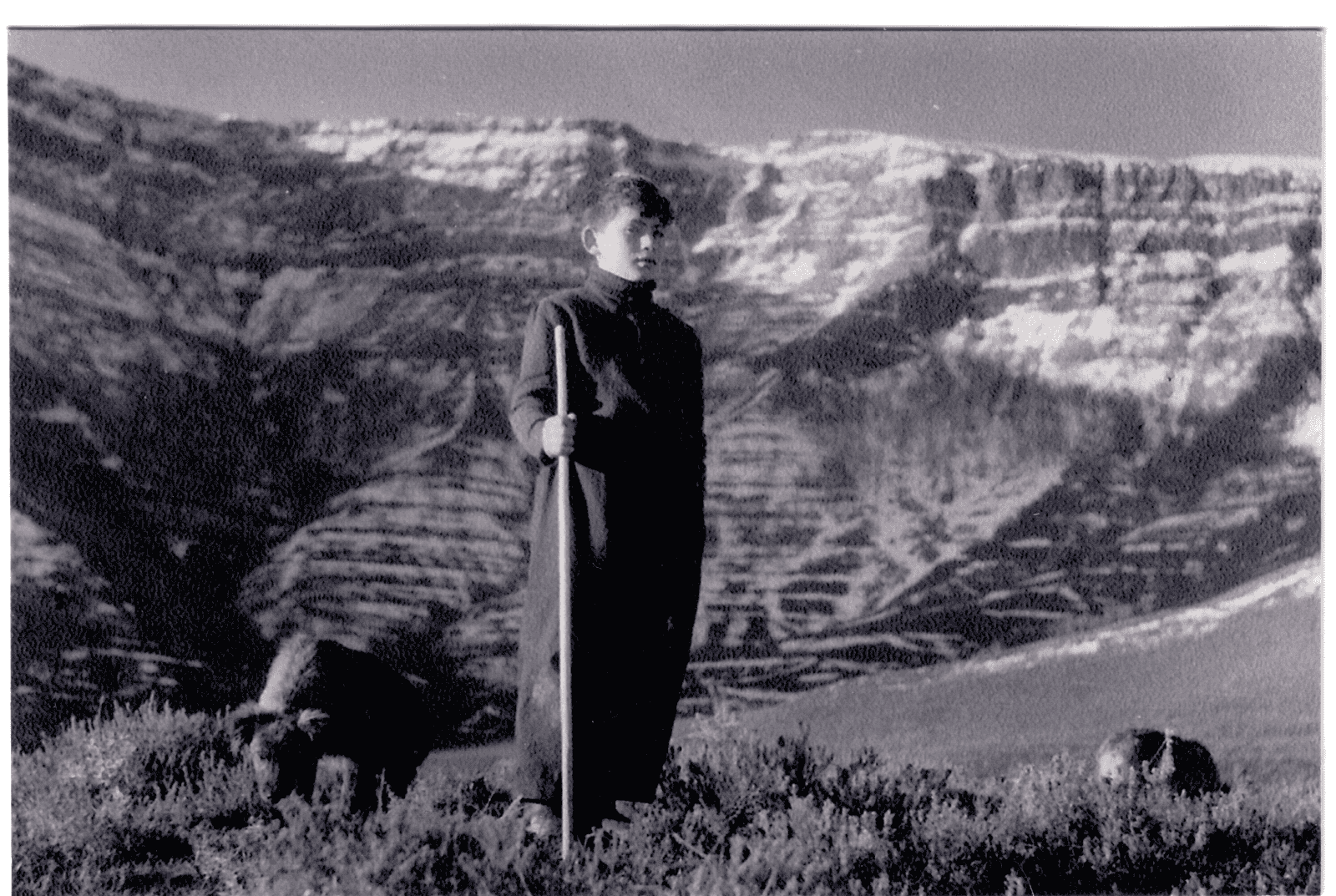
There he learned that life is about work and that almost everything can be solved with more work. Looking after the sheep first and then tending to the cows is what he has always enjoyed most, perhaps because of the feeling of freedom he got from being outdoors, up and down the mountain, helping them with births, protecting them from wolves, on the back of his mare Lucero.
That animal understood her even without her speaking. And there they went, the two of them, now young women, following the flock, wearing skirts, even if they were rolled up.
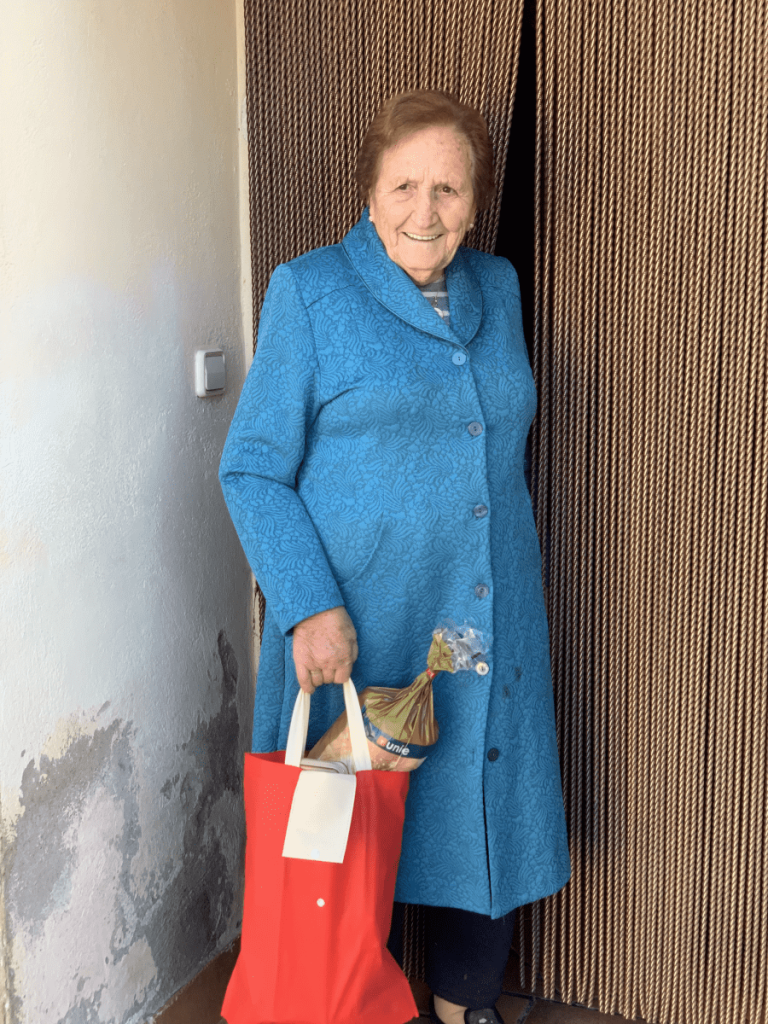
Nearly a centenarian, she vividly remembers the old days. In fact, her clear eyes sparkle as she recounts how they made cheese in wicker baskets, which they then took to sell in Artziniega, at Escoli’s bar and shop, and on Sundays at the market. After getting married and some years later, she formalized her status as a livestock farmer with Social Security, a contribution that has provided her with her own pension, something not so common among rural women.

Selling milk to buy at Satia’s bar
“The milk cans were taken down to the road, then the milking machines were set up, and then the truck came up.” The four sisters—because the four boys had other assigned tasks—would go to sell milk in Balmaseda, Bilbao, and Baracaldo, carrying the cans on the donkey and walking. They left home while it was still dark and didn’t arrive at their destination until almost morning.
With the money they bought sugar, oil, and espadrilles at Satia’s bar, a small farmhouse on the same road in Llanteno; “the salvation of these villages.” There, too, the dancing would begin as soon as the accordion player arrived, and it wasn’t unusual for some young man from Sodupe or Amurrio to come and dance with the local pretty girls, the same ones who were strictly forbidden from entering the bar and had to rush home as soon as night fell.

Romanticism in the Petiz neighborhood
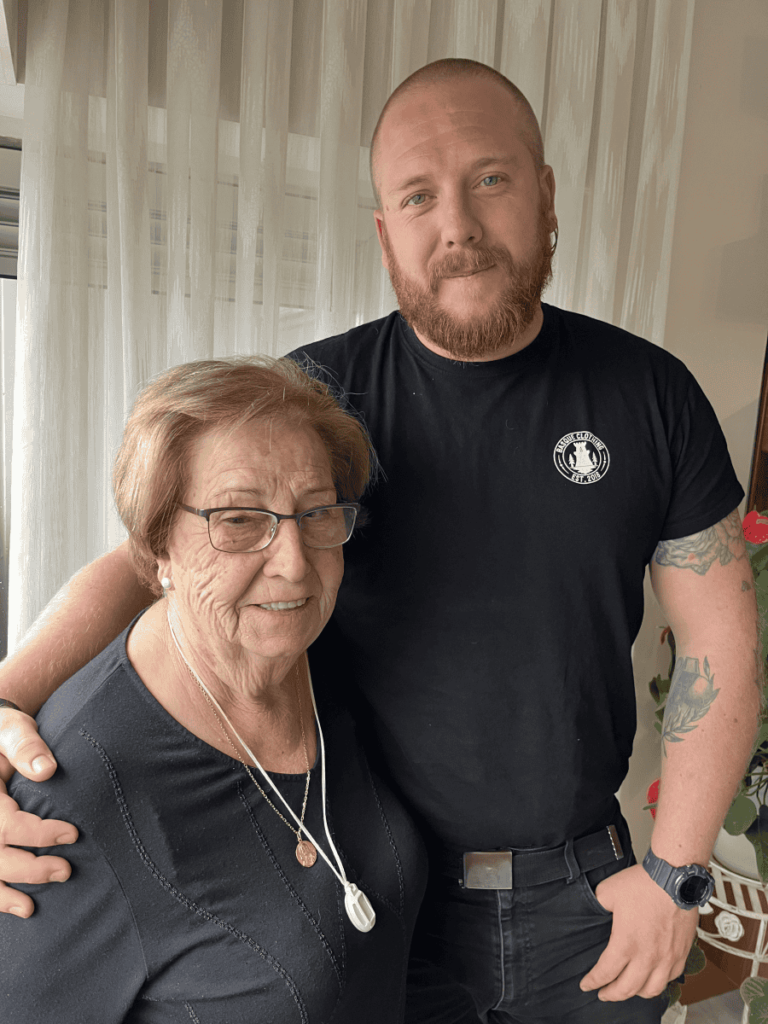
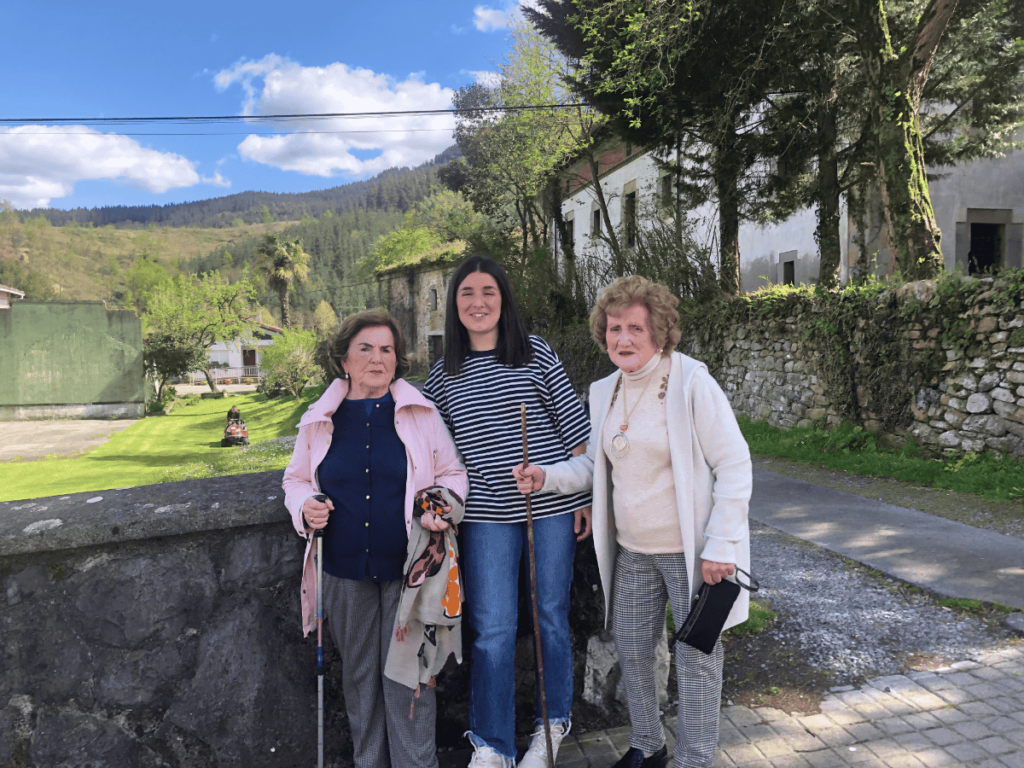
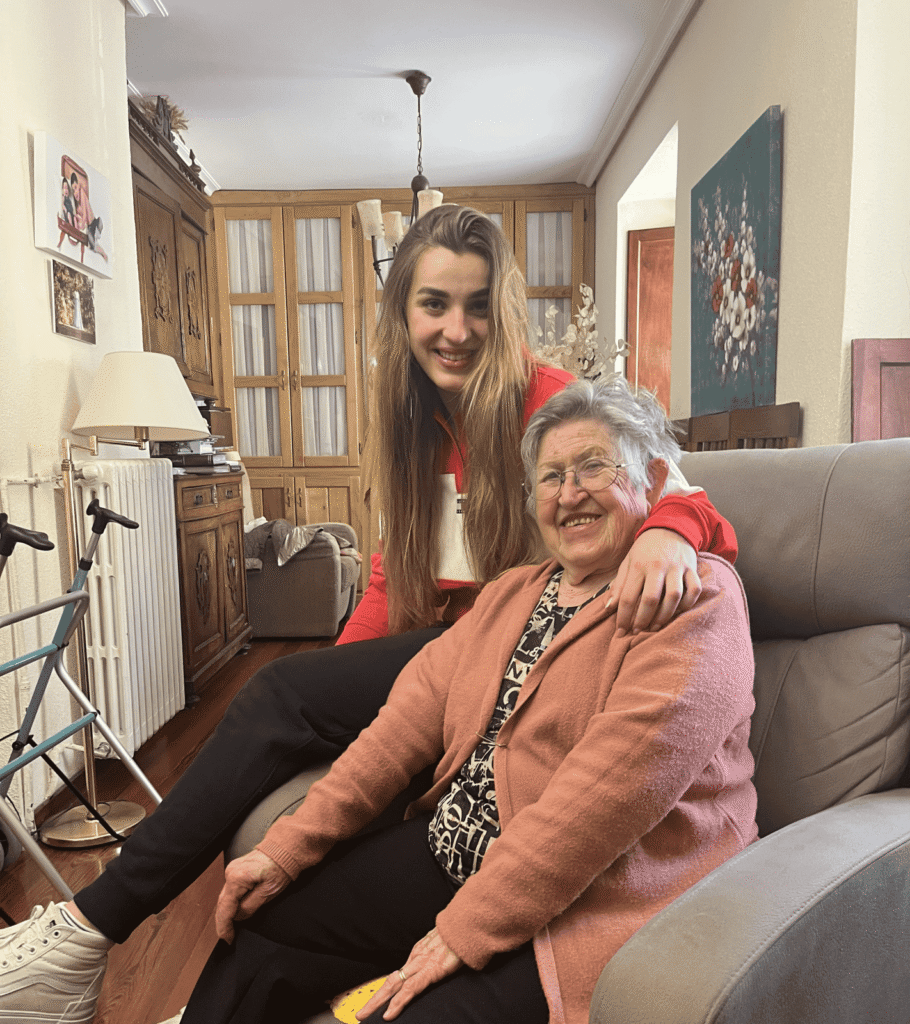
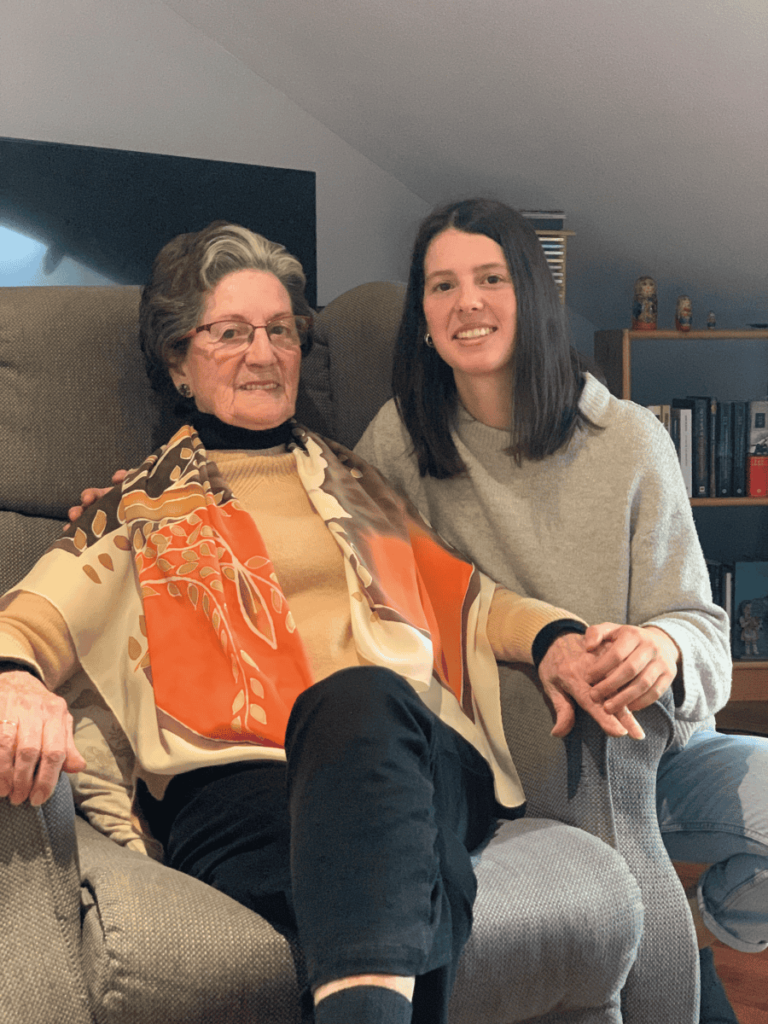
Juli Etxebarria is 96 years old, while her great-granddaughter, Sylvia, is turning 18. For this young woman, who lives with her parents next door in this same remote and quiet place, Juli’s stories are not unfamiliar, but the bit about the dances strikes her as “very romantic.”
The Pétiz neighborhood, in Llanteno, is a magical place from which you can glimpse the rural houses that have recently opened in the area, Satia Berri, “and which are always occupied”, but the vegetation only allows you to guess a piece of roof hidden among the green.
The romantic atmosphere extends even to the Llanteno cemetery, on the road to Artziniega. It is one of the most beautiful in Álava. It was donated to the town by Mateo de Murga y Michelena in 1851. In return, he received permission to build a funerary chapel there to serve as a burial place for his family.

Honeymoon trip to Bilbao by taxi
Things have changed a lot, there’s no doubt about that. Juli met her future husband at school when she was very young. “My father told him: I have a very beautiful daughter and I’m going to save her for you. And although quite a few men were interested in me, I wasn’t interested in anyone but him.”
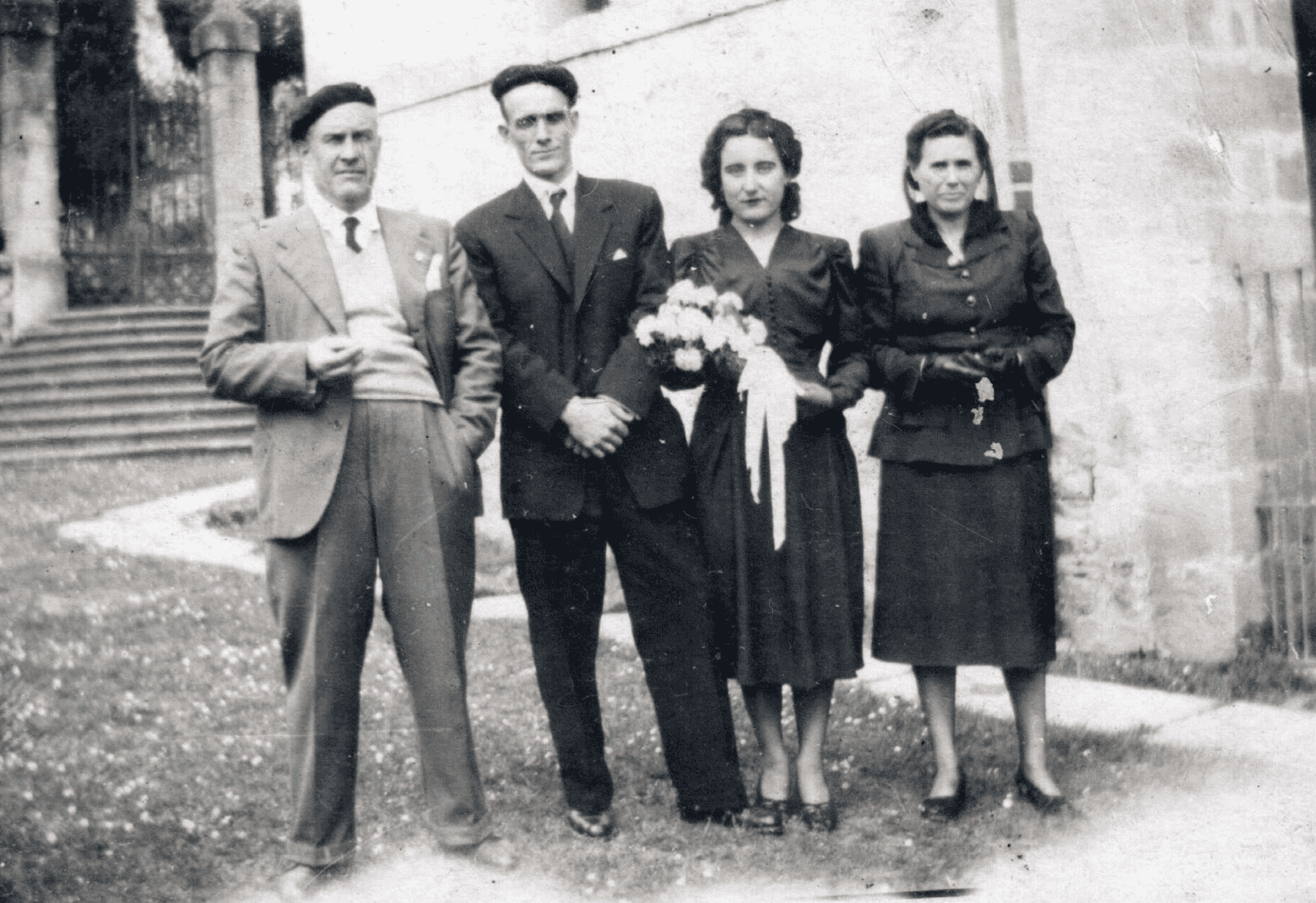
And what was forged in that school lasted a lifetime. They married in mourning, dressed in strict black, and went on their honeymoon by taxi to Bilbao “to eat whatever we wanted in the Seven Streets.” And finally, they stayed overnight; “to try it out for the first time,” she says with a smile.
Back then the girls didn’t talk about what would happen at night, but Juli had an older sister and a sister-in-law, Fabia, with whom her trust grew every day.
Just the memory of it makes him think of the solidarity of that time, when they would go to wash clothes in the river and hang them out to dry, to see if they would dry or if they had to take them home.

The family and the countryside are transformed
The work, always plentiful, has also evolved, and after the sheep came the cows, sometimes to replace them and other times to complement them. Many farmhouses traded sheep’s wool and cheese for cow’s milk and meat, because there was a time when the latter seemed to offer greater profits.
The milk also had to be sold, initially by carrying it to the cities on the donkey. Later, the tanker truck appeared, passing through Llanteno, and there went Juli’s mare, Lucero, heading up the hill loaded with milk cans, knowing exactly where to stop to be unloaded.
And years later, milk would cease to be profitable, and cows were raised for meat.
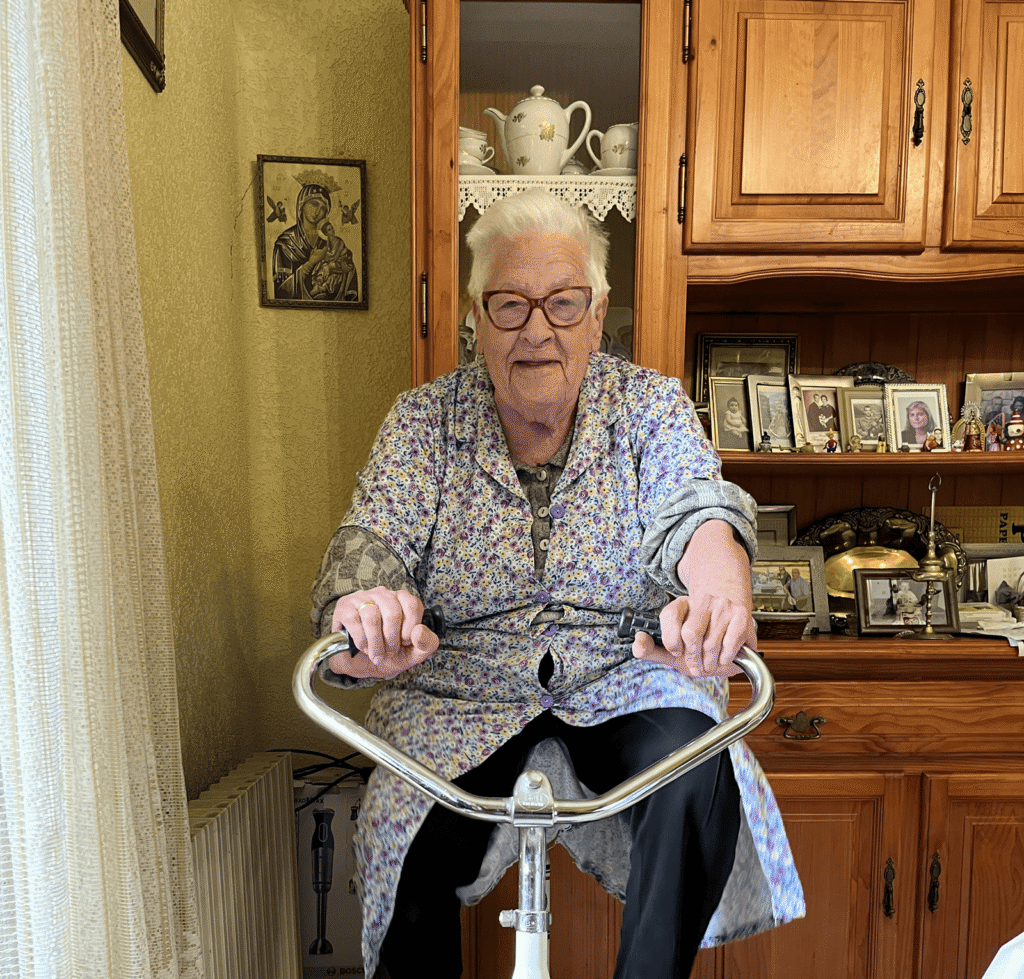
Marian, Juli’s daughter, took over the livestock when her father fell ill. “My life has been like a small nursing home,” says this daughter, mother, and grandmother who was widowed at 40 and has cared for the family and the livestock, even though her greatest desire would have been to go to university. “If I regret anything, it’s not having done it, but my mother had those old fears, and that’s how it happened.”

A forge and a large family
Her granddaughters find it hard to believe that Blanca Udaeta, for example, didn’t wear trousers when she was young, and that she rode motorcycles or horses sideways because her skirt didn’t allow her to ride astride. She didn’t wear trousers until she was 60.
She has worked in the stable, milking and taking out the garbage, all her life. “You had to have a strong start, because the wheelbarrow was made of wood by her husband, and even empty it was quite heavy. If you stopped, you couldn’t get going again,” she recalls.
Cecilia Padura is his sister-in-law. Her house housed one of the oldest forges still preserved in Ayala, where she helped her father until she got married, just as her mother always did, whether working the bellows, hammering, riveting, or sawing. “I liked that more than the fields; you could see the work you were doing,” she says.
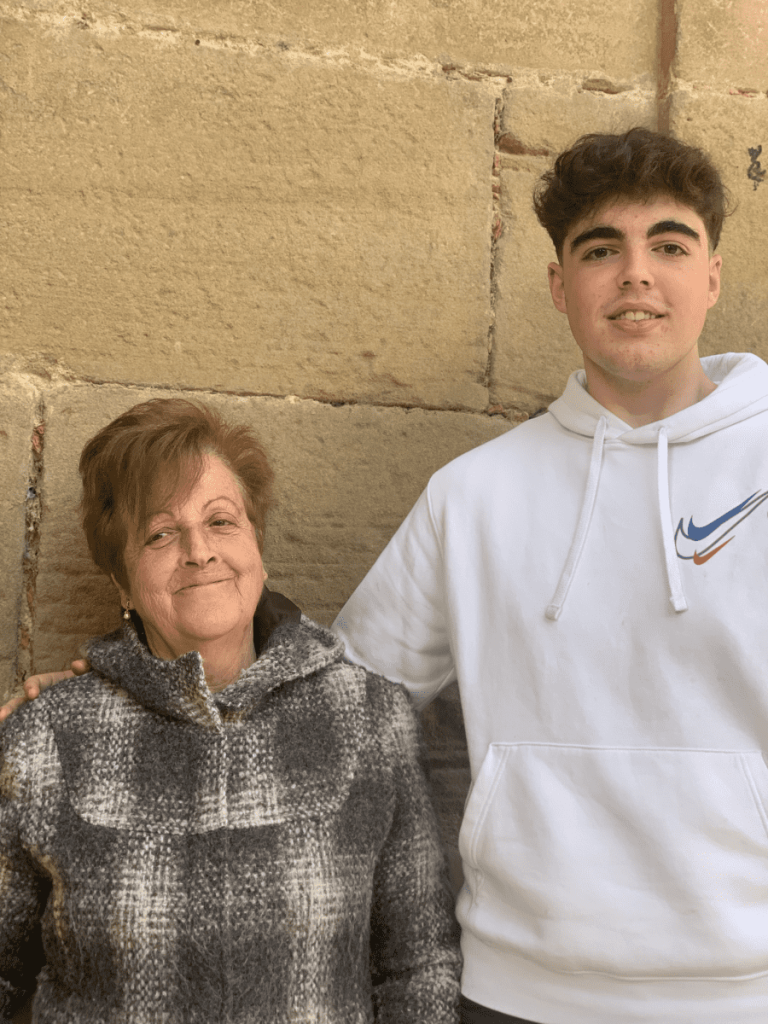
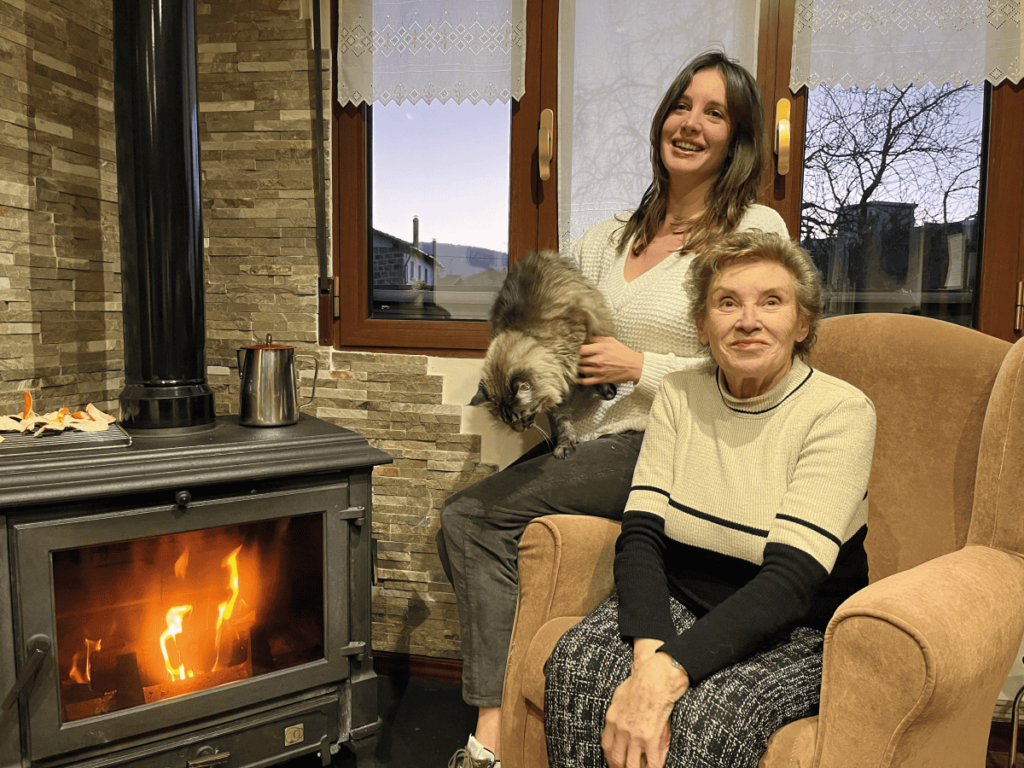
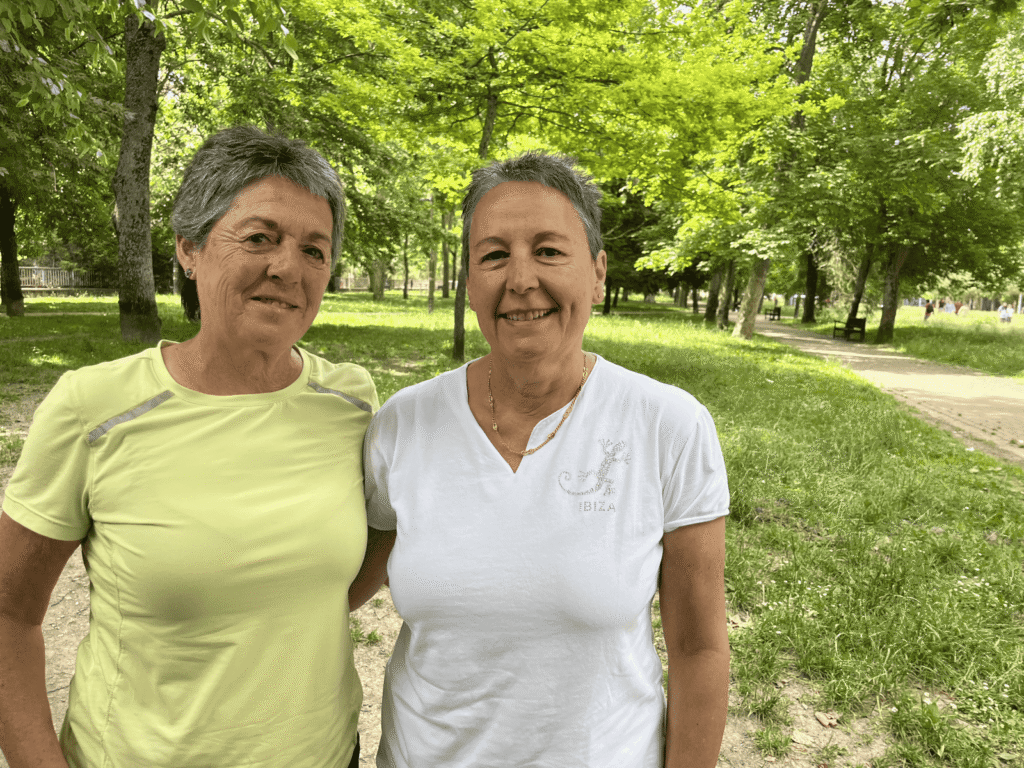
These two women, who have known each other forever and treat each other like sisters, don’t hesitate to say that everything they recount “happened yesterday.” For their granddaughters, there’s a different distance, but they don’t stray far from the family and the village, although they acknowledge that the car is essential to maintaining their connection.

A rich people’s town
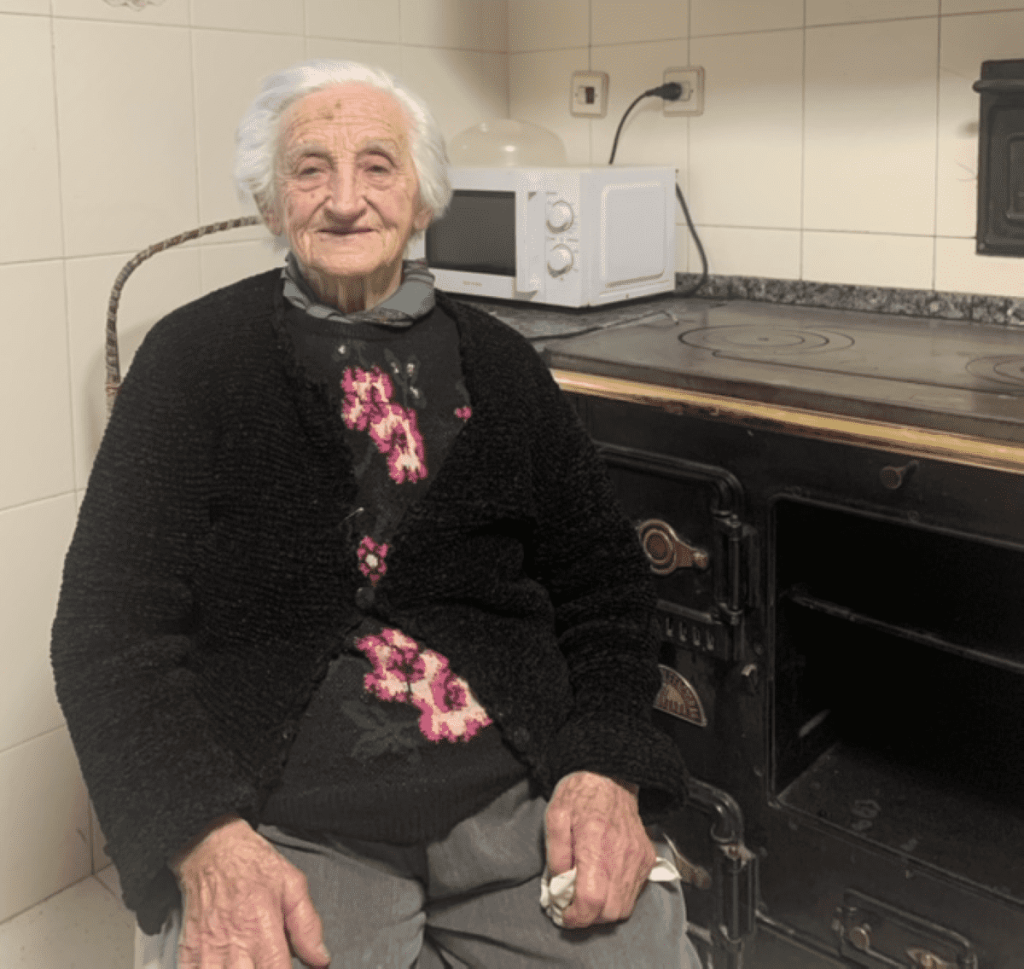
Julita Guerra Ortiz was born in the Jauregui neighborhood, in the same house where she lives today. She and her husband managed to buy it, but her parents always lived there as renters because it was owned by the paper mill. There were many rental properties. Here she cared for her parents “by the warmth of the hearth” until they died.
It was quite common for young women to go and work as servants in the city. Making contacts was easy, because this was a town of wealthy people: Mc Crohon from Madrid, Ibarra, Usandizaga, Lastagaray from Bilbao. “These last ones celebrated the Day of Our Lady of the Pillar. What a sight it was! There were even fireworks, and all the young women from the Women’s Section of the Falange in Bilbao came,” she recalls.
This was a small but pretty town, although it lacked electricity and running water when she was young. “The electricity came first. They were acacia poles, and the men of the neighborhood helped put them up.”
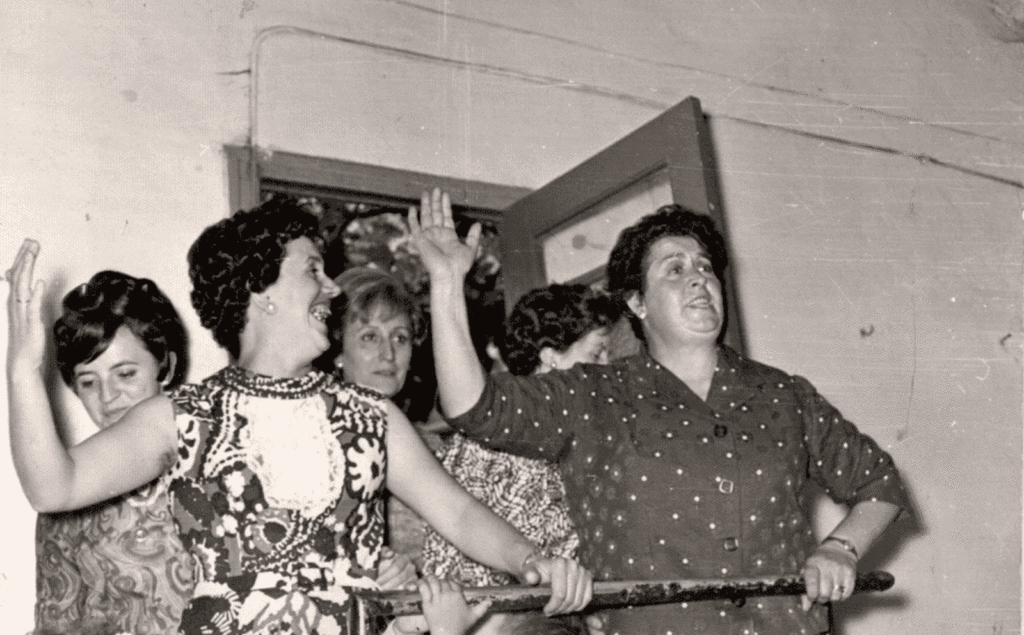
As soon as the women’s association in Menagarai started, she joined. Now there are only a few of them. Young women today have other things to do, but before they used to come from Llanteno and other villages in the area. “That improved the lives of many women.”

The arrival of the automobile
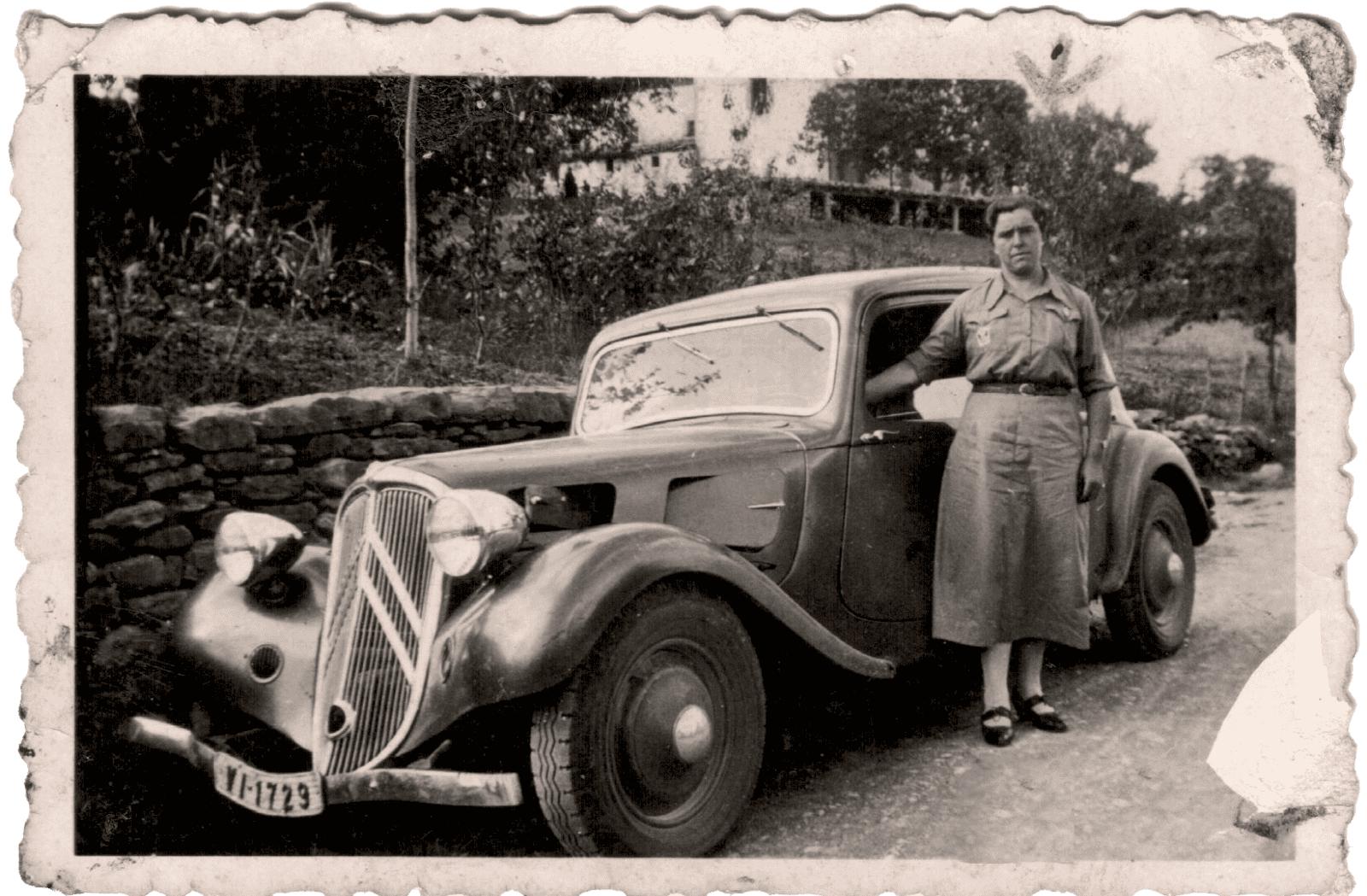
The arrival of the car changed life in the hamlets of the area. In Julia’s case, it was a Fiat 600. “My husband went to Vitoria to get a Fiat 600; nobody in the village had one except my brother. We went everywhere in the Fiat 600.”
The women of Ayala haven’t hesitated to get their driver’s licenses as soon as the opportunity arose. The location of their hamlets, often far from the town center, encouraged a decision that afforded them, among other things, a degree of independence.

Advance
Looking at these women, it’s easy to see that the world is changing rapidly.
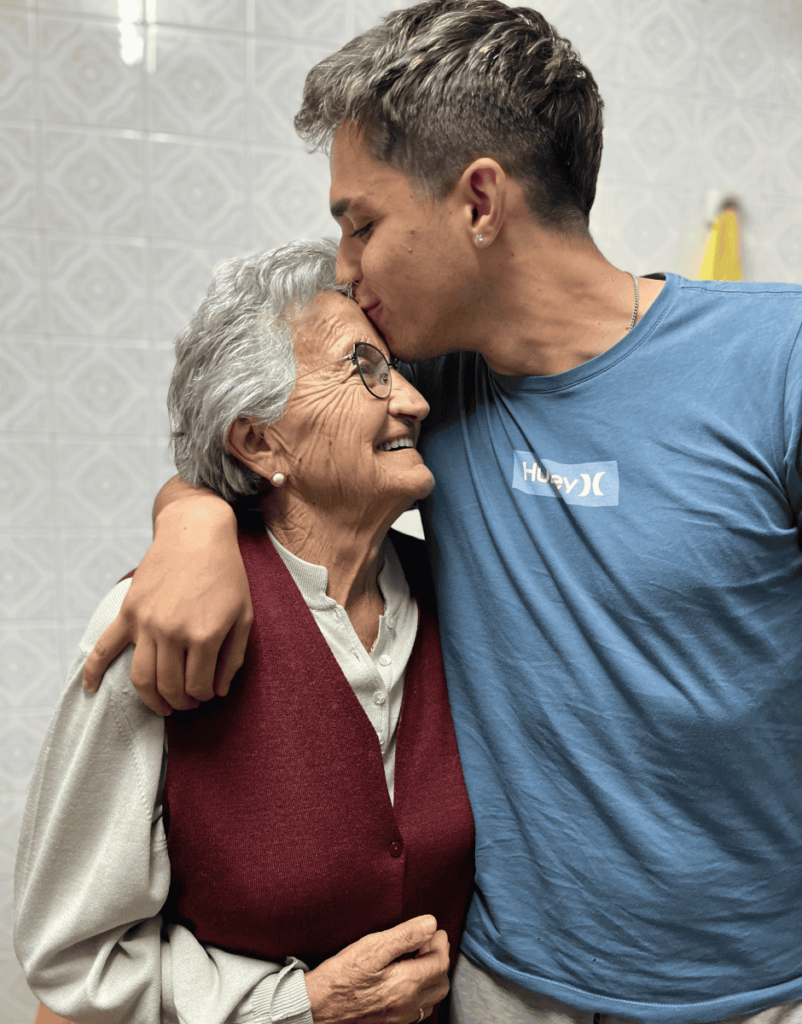
Juli’s life has nothing to do with that of her great-granddaughter, who fondly observes that way of being for women in the world, but she doesn’t see herself playing that role. “The important thing is to have free choice, to decide for yourself what you want to do,” she argues.
The world is not what it used to be. Back then, it was a forge where coal arrived from the La Robla station and where wheels for carts were made; today, it is a car that brings and takes the new generations along the same roads with different dreams and freedoms, but a similar feeling of belonging to a place as special as Ayala.