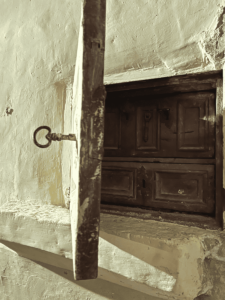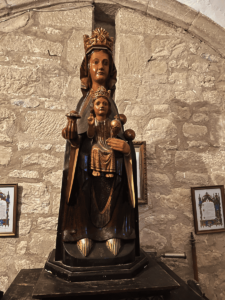
The Valdegovía Valley is full of treasures in secluded spots, far from the hustle and bustle of tourism. A wealth of cultural heritage: pre-Romanesque hermitages and churches, and other hidden gems.
The Varona tower-palace goes beyond its exceptional architecture and the vast heritage it holds within its stately stone walls. Its very existence today is linked to the daily lives of its people.
Monumental and still inhabited, the history of this emblematic building is part of the history of Álava. The Varona tower controlled the trade route (salt, fish, etc.) from the plateau to the coast.
In 690, the Ruiz Pérez family erected the first building, and three generations later it came to be called Varona after a battle that is now recounted as a legend but may well have been true. Since its construction, it has remained inhabited by the same lineage, 40 generations in which all the firstborn sons have borne the name Rodrigo.
Visiting its spaces, admiring the richness of its architecture, and discovering an unparalleled heritage is a legacy that the Varona family has preserved and which is now proudly displayed to visitors.
“This tower and this family are unique in the world, as their descendants have lived in the same place since the 7th century. Their firstborn sons have been named Rodrigo since the time of their origins in the 7th century, right up to the present day. The Lords of Varona were Lords of Valdegovía. Today, there are 31 Lords of Varona who have existed since then.”
Valdegovía Valley
Juan Carlos Abascal Ruiz de Aguirre


 La restauración llevada a cabo por la Diputación Foral ha permitido dar a conocer el interior de uno de los conjuntos fortificados mejor conservados de Álava.


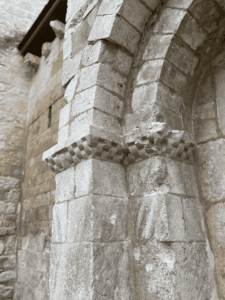
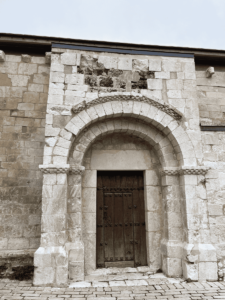 San Román de Tobillas, con más de 1.200 años, es el templo más antiguo del País Vasco que sigue en pie. Se cree que fue parte de un monasterio, el primer testimonio lo aporta el abad Abito en el año 822, pero verás que ha sufrido muchas reformas y se sigue investigando sobre sus orígenes. En el exterior quedan elementos prerrománicos y románicos como el arco de la portada, los canecillos y algunos frisos.
 También se han descubierto estas terrazas de donde se cree se extrajo la piedra de toba para levantar el templo de Tobillas.

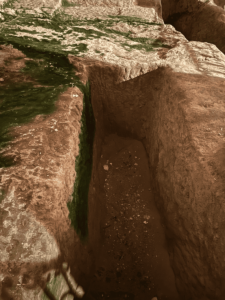 En la iglesia también se descubrieron enterramientos. Hoy en día puedes ver los sepulcros vacíos excavados en roca.