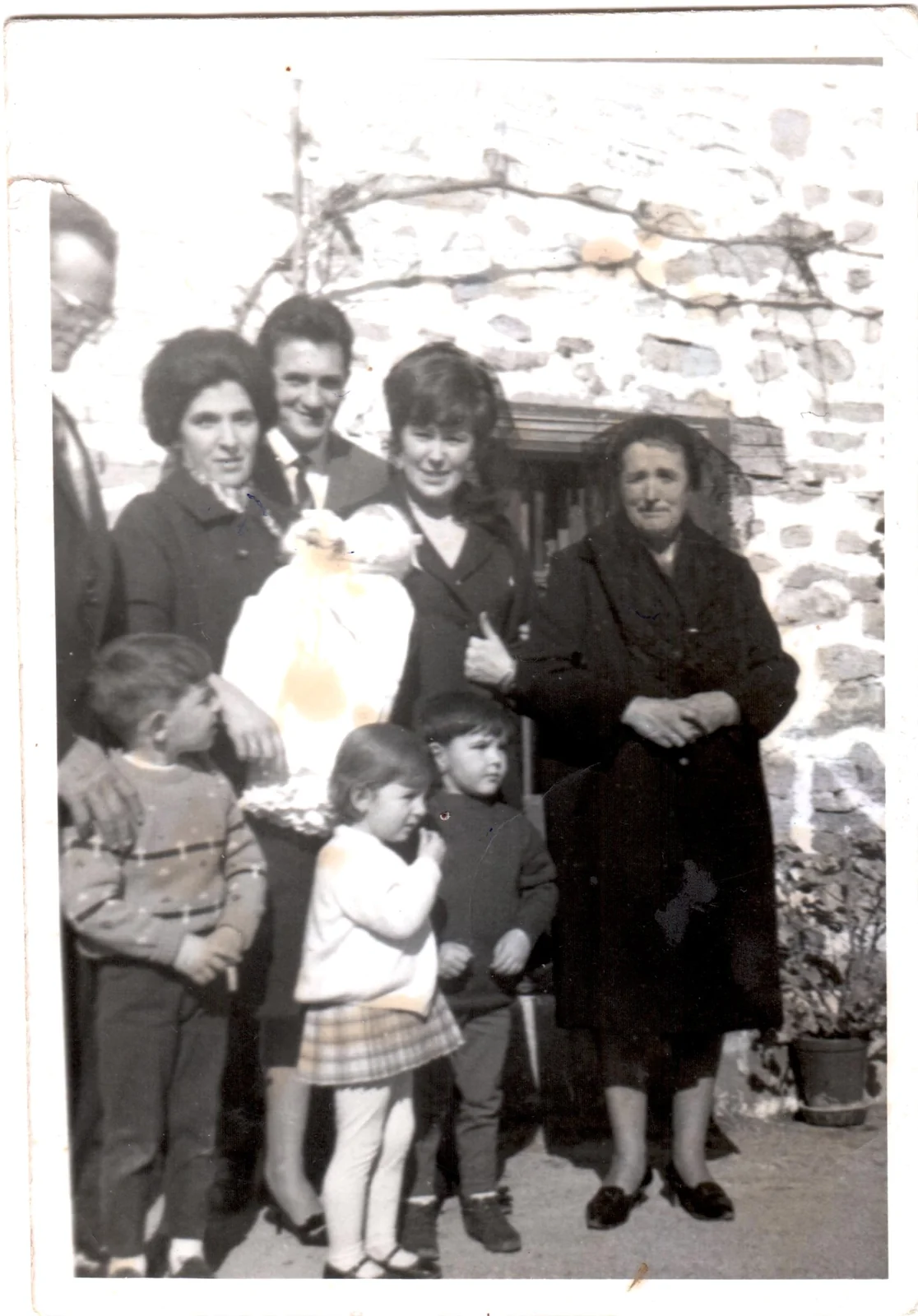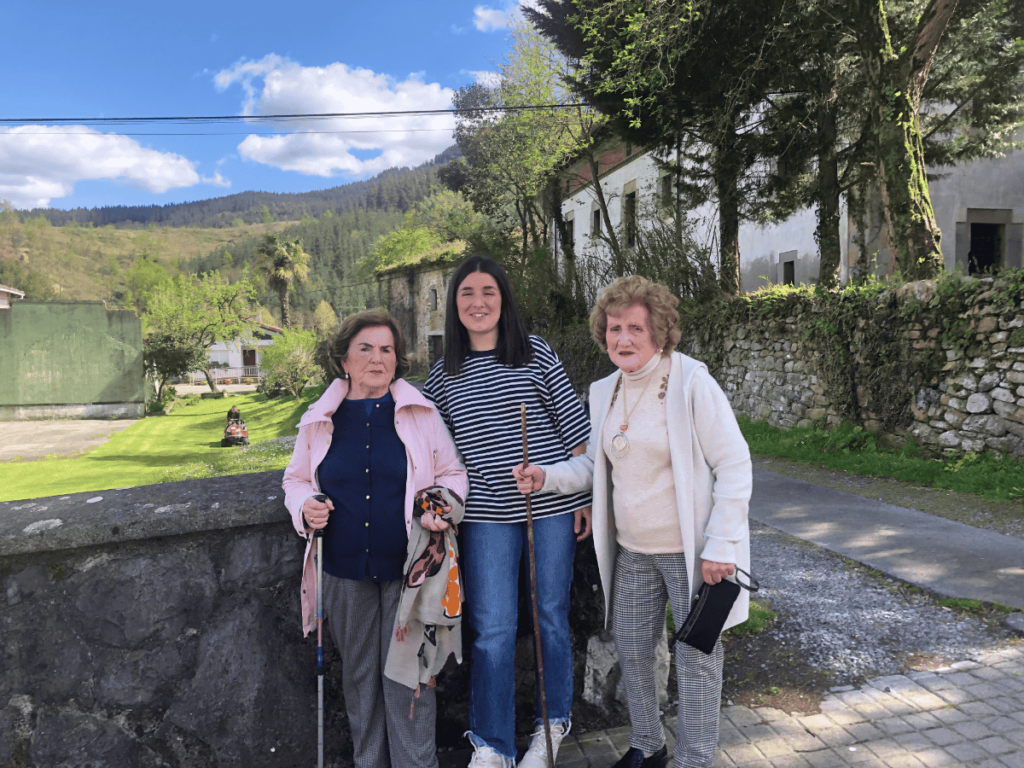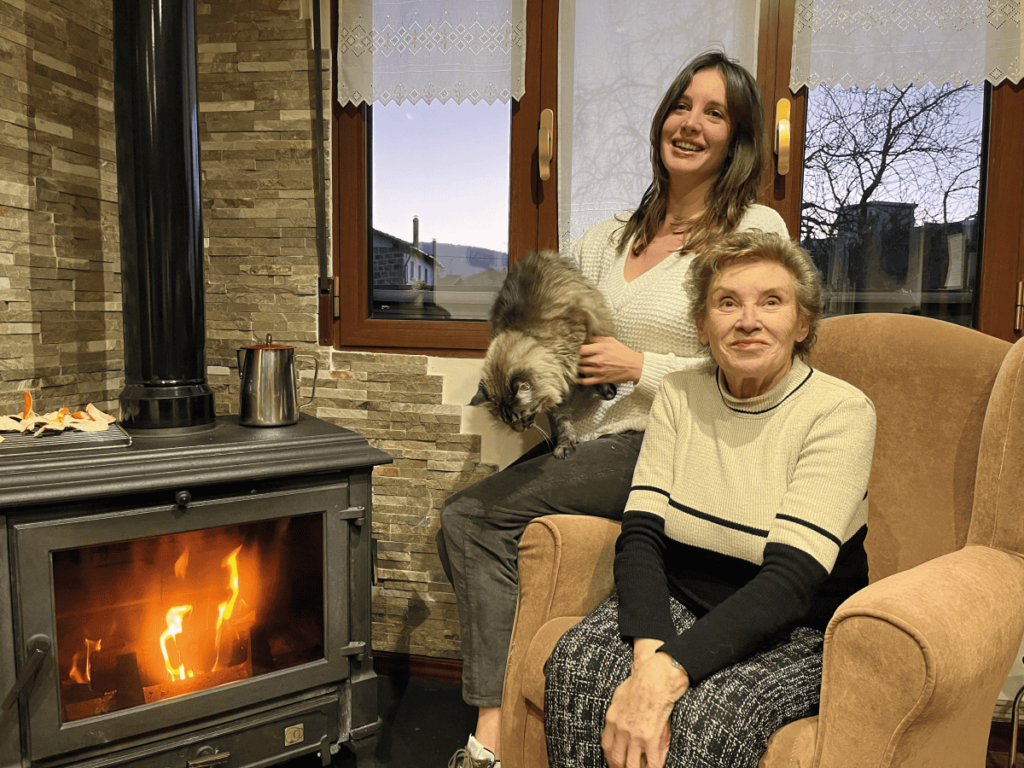
Zurbano is today a town with new houses, well-connected, making life easier for many young people looking to escape the hustle and bustle of Vitoria. Cándida Fernández de Troconiz knew a very different town; the Zurbano she came to marry as a young woman had barely half the number of houses and only four palaces.
She spent the first fifteen years of her marriage in the old house where her in-laws lived, along with them and two brothers-in-law while they were single. Her five children were born there, and she experienced seven pregnancies, the same number of floods that inundated the floor of the old kitchen. The river flowed beside the house, providing a bend where she could scrub and rinse the clothes they wore.
Pay in installments
“We had to keep moving forward”
The move to their new house, where they live today, came after a lot of hard work. It was an old house, almost in ruins, which they bought to fix up themselves: “We had to do the floors, the ceilings, everything. I was just another worker, with the cement mixer and wheelbarrows full of cement.” And they did it.
“We bought everything new, and with almost no money. The same man who built our house sold us some furniture, telling me to take the best pieces and pay for them when I could. Then the bill of exchange would come due, and we’d sell a pig or a steer to pay it off.” Before modern banking, bills of exchange were a secure payment instrument and a means of short-term financing.
Non-stop
“I didn’t even know if anything hurt.”
At Cándida’s house, they’ve always worked the land, planting grain, potatoes, beets, and everything else, but without machines, all by hand. The land they owned was rented. She mentions about 200 fanegas, which could be translated to around 50 hectares.
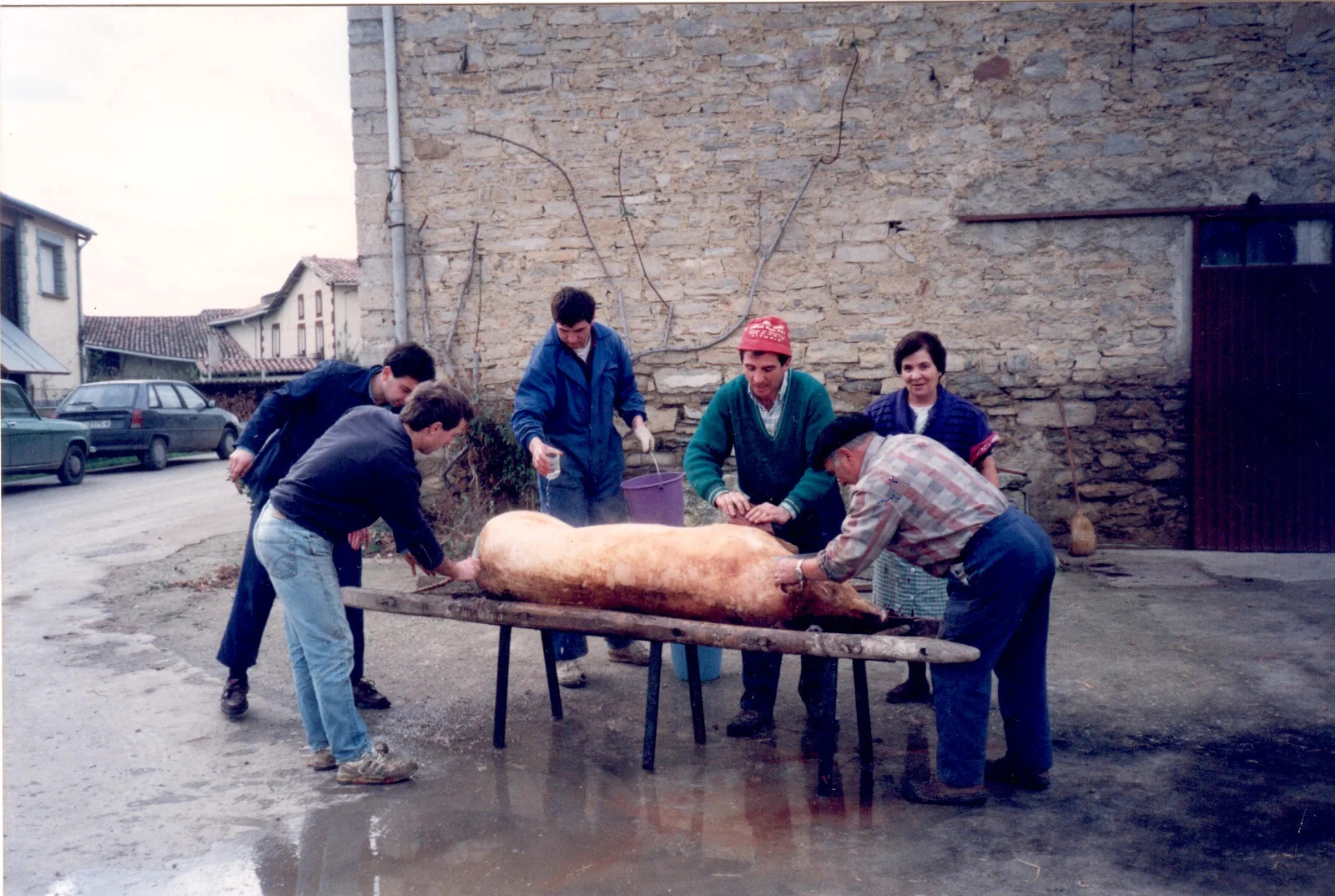
She also milked the 4 or 5 cows that were at home and “with the milk that she got and sold to the neighbors we ate. There was no money, only what we had at home, the meat was from our steers, the chickens, the pig and what the land gave.”
The grain was sold through cooperatives, but often it didn’t even cover expenses, because labor was needed to harvest it; “we couldn’t do it alone,” the workers had to be paid and fed. Cándida took care of her children, her husband, her father-in-law, the workers, and she never stopped milking her cows—”my husband didn’t like to do it and never learned”—looking after the animals and going out into the fields like everyone else.
Blessed tractor
“The children God wants, period.”
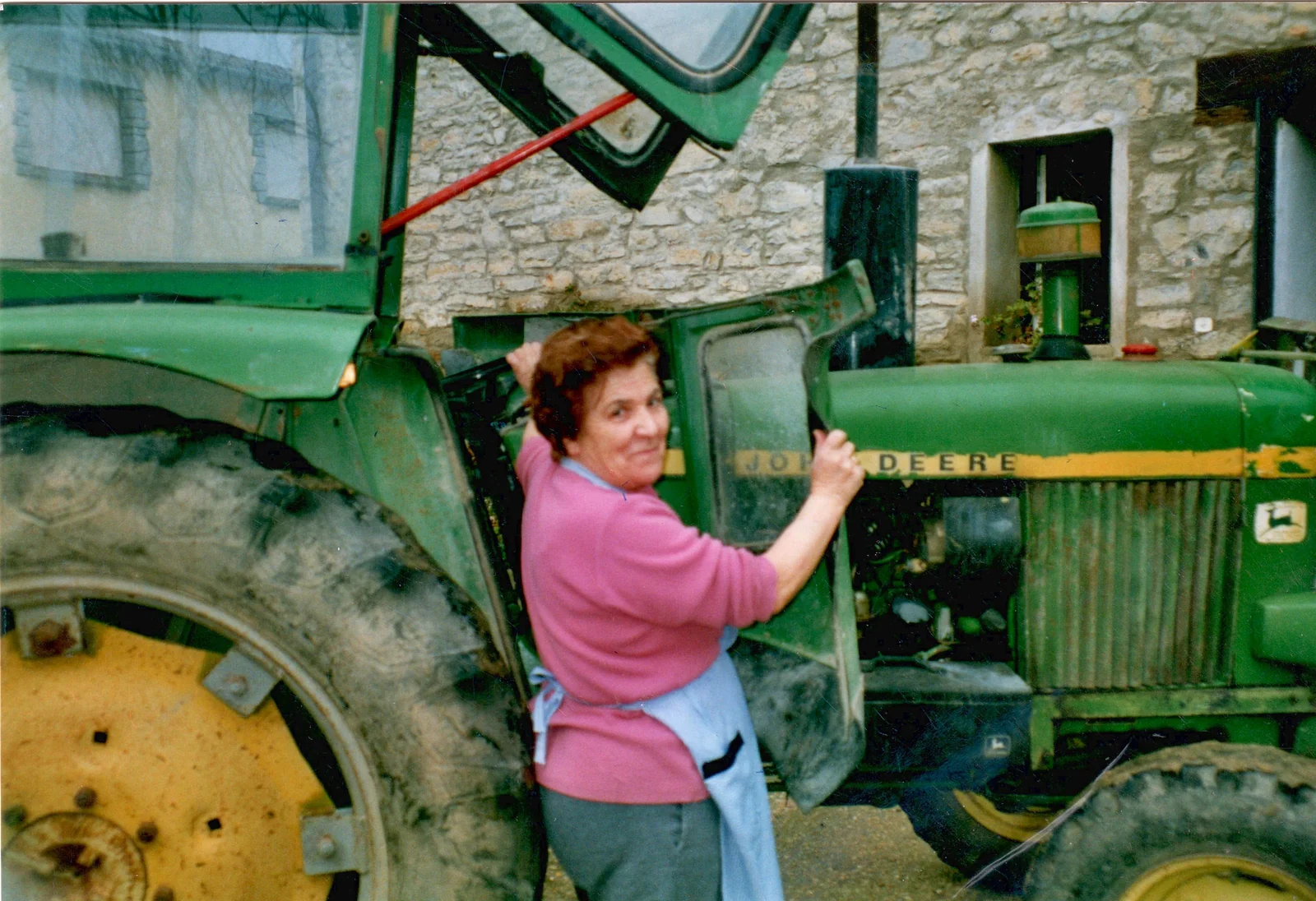
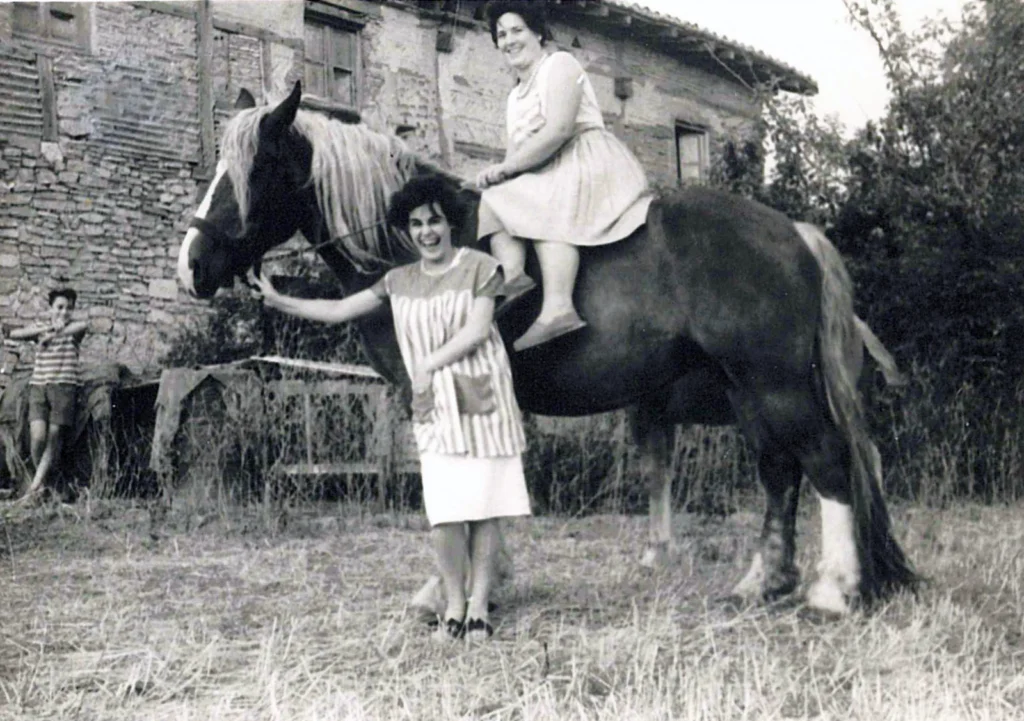
The tractor arrived when they were already a bit older. It was first for him, but they soon bought one for Cándida too, who, without a license – “because she didn’t have time to get one” – quickly learned to get on it and drive it, using parts they already owned.
Until she got married, she worked in the fields with her parents and siblings in Cerio, where she was born. She studied there until she was 15, “and when I finished school, the hoe was already waiting for me in the fields.” Then, for some winters, they sent her to Antozana, to a convent school, to learn to sew, embroider, and cook. “But as soon as the weather got warmer, it was back to the fields.”
Candida married with the obligation to have children, “and those came as God intended.” Similarly, she has always lived with the idea that she had to do everything she could. “I never stopped, I didn’t notice if something hurt, I had to work without rest.”
In her memory there are no recollections of idle Saturdays or Sundays, “no parties or feasts. Just Sunday mass, and that’s it.” And yet, Cándida maintains that she has been very happy.
Happy with little
“Now they complain about everything”
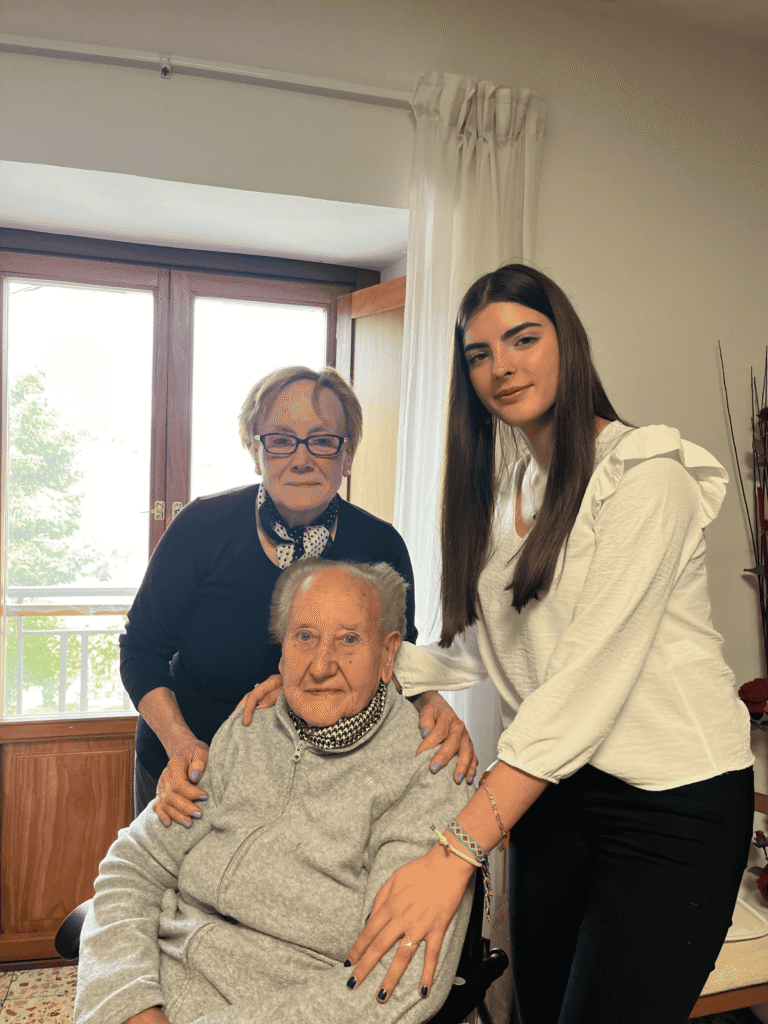
At 90 years old, Cándida’s voice has as much energy as a woman in her prime. Nothing escapes her notice or control; she knows what needs to be done and how. She observes the earth and the world with great interest and believes that many things are no longer justified, that constant complaining prevails. “To those who complain, I say: do more.”
A bicycle made it easier for her to get around towns when she was young, a tractor helped her work on the parts, and a motorcycle that she learned to drive in front of her house and never used with a helmet allowed her to go to Vitoria from time to time to run errands.
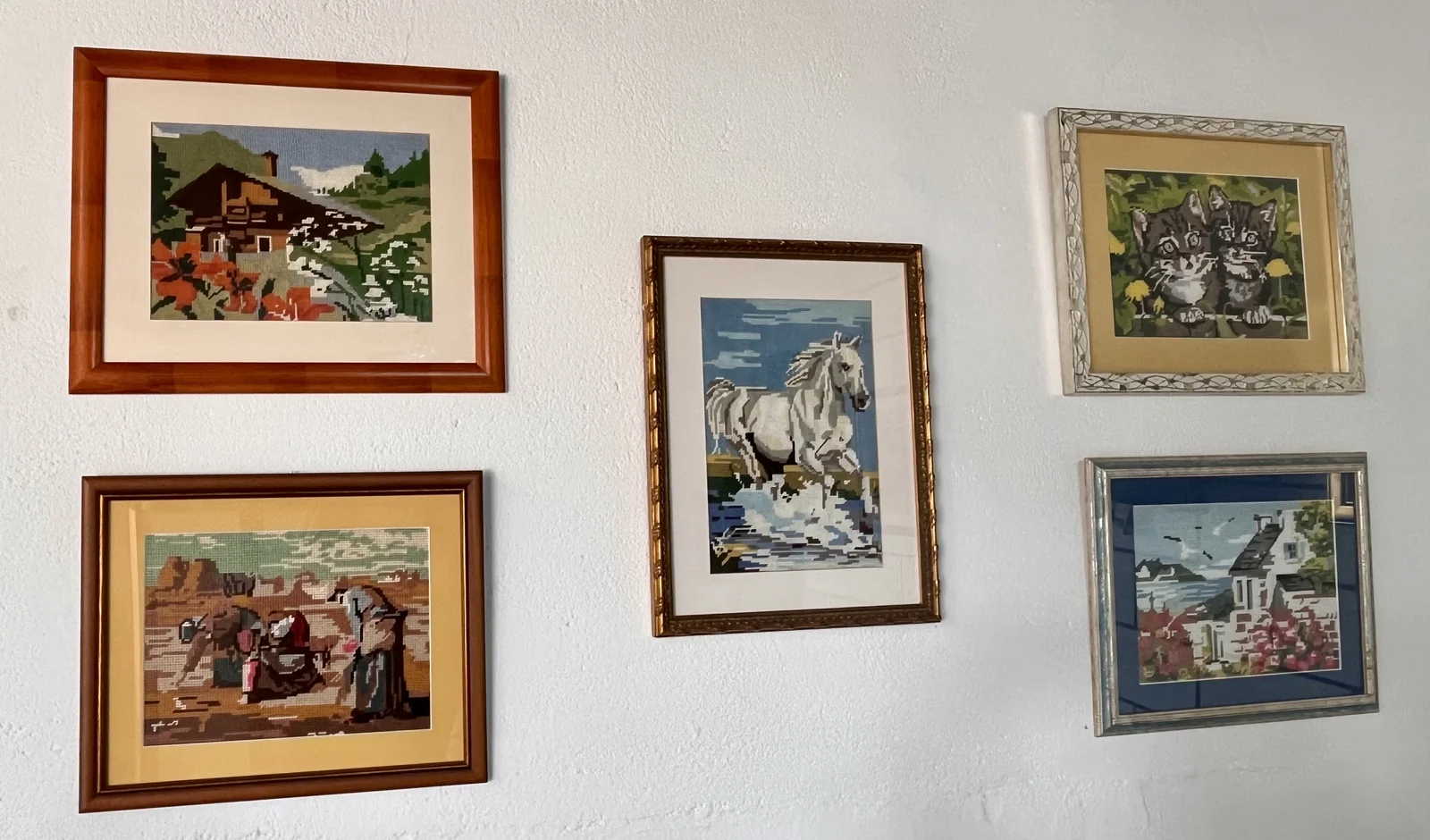
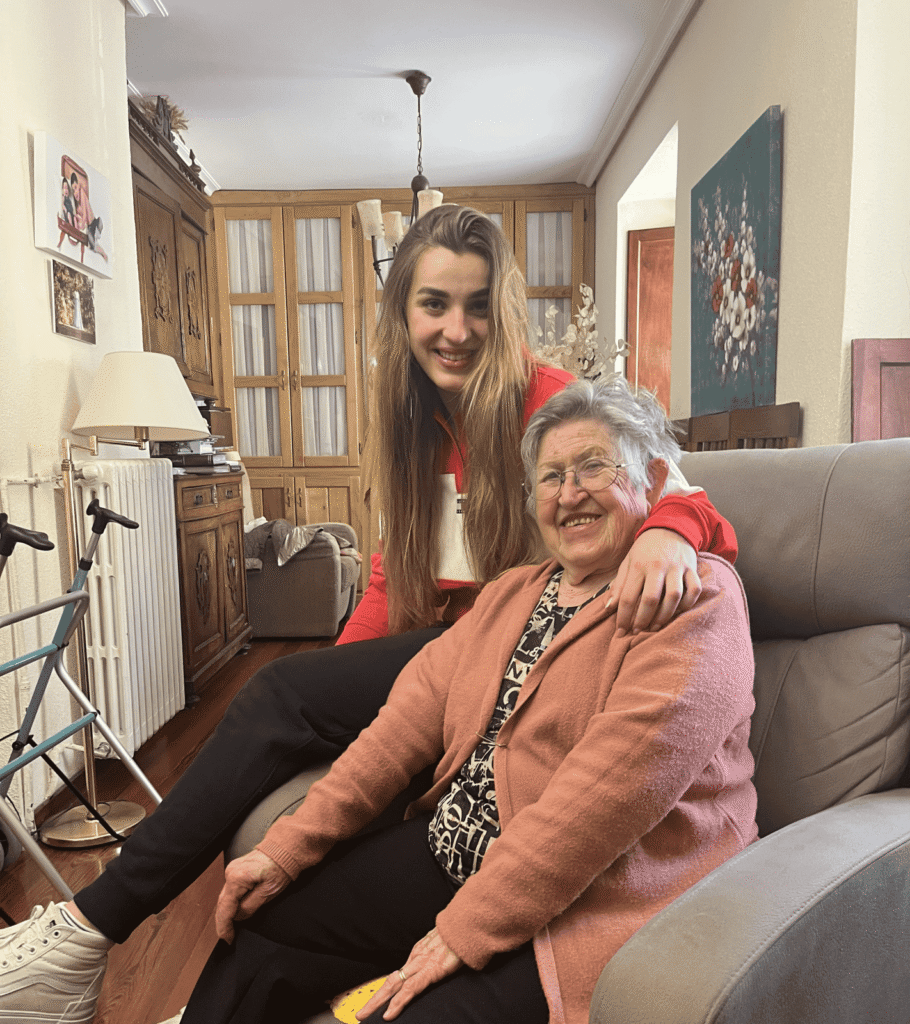
Nothing has stopped this woman from Álava in life, and today, with cross-stitch and a word search puzzle in her hands, she spends her time in front of the window, calmly watching the days of Zurbano go by.